
Massage for Seniors: Complete Guide to Safe Therapy
Gentle, effective massage therapy adapted for aging bodies
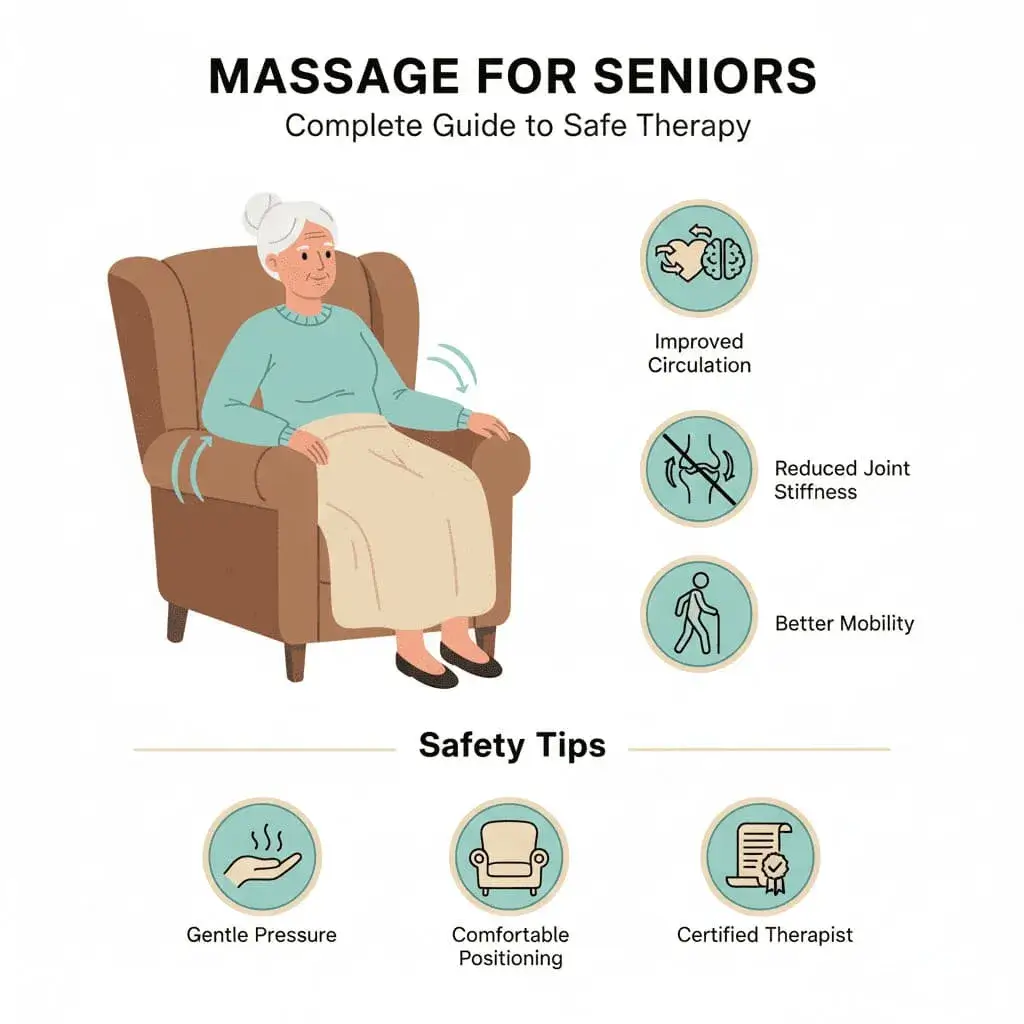
The human need for therapeutic touch doesn't diminish with age. If anything, it becomes more important. Yet many seniors hesitate to try massage, wondering if it's safe given their age, health conditions, or medications. Others assume massage is only for younger, more flexible bodies. Nothing could be further from the truth.
Massage therapy, appropriately adapted, offers profound benefits for older adults: relief from chronic pain, improved circulation, better sleep, enhanced mobility, and the often-overlooked benefit of caring human contact. This guide covers everything seniors and their families need to know about safe, effective massage therapy in later life.
Why Massage Matters for Seniors
Aging brings changes that massage directly addresses:
Physical Changes
- Decreased circulation affects tissue health and healing
- Muscles lose mass and flexibility, contributing to stiffness
- Joints become less mobile, often painful from arthritis
- Skin thins and becomes more fragile
- Balance and coordination decline, increasing fall risk
- Chronic conditions accumulate, often causing persistent pain
Emotional and Social Factors
- Touch deprivation increases as social circles shrink
- Loss of partners leaves many seniors without regular physical affection
- Isolation and loneliness affect mental and physical health
- Depression and anxiety are common but often unaddressed
- Sleep disturbances become more frequent
Massage addresses both dimensions, providing physical therapeutic benefits while meeting the fundamental human need for caring touch.
Benefits of Massage for Older Adults
Pain Relief
Chronic pain affects the majority of older adults, often from arthritis, old injuries, neuropathy, or general musculoskeletal degeneration. Massage provides non-pharmaceutical pain relief, particularly valuable given concerns about medication side effects and interactions in seniors. Studies show massage significantly reduces pain in older adults with various conditions.
Improved Circulation
Circulation naturally decreases with age, contributing to cold extremities, slower healing, and reduced tissue health. Massage mechanically improves blood flow to treated areas, bringing oxygen and nutrients while removing metabolic waste. This circulatory benefit is particularly valuable for seniors with limited mobility who don't get circulation benefits from exercise.
"Working with older clients, I slow everything down and use lighter, broader strokes. Joint stiffness and circulation are always the priority areas. What strikes me most is how much the regular human contact matters. Many of my senior clients live alone, and the session becomes the highlight of their week not just for the physical relief, but for the connection and conversation."
Enhanced Mobility and Flexibility
Stiff muscles and joints limit movement, creating a cycle where reduced movement leads to further stiffness. Massage helps maintain and improve range of motion by releasing muscle tension and improving tissue elasticity. Many seniors find they move more easily after regular massage sessions.
Better Sleep
Sleep problems are extremely common in older adults, affecting both quantity and quality of rest. Massage promotes relaxation, reduces pain that interferes with sleep, and helps regulate sleep-promoting hormones. Many seniors report massage provides their best sleep of the week.
Reduced Anxiety and Depression
Mental health concerns in seniors are often undertreated. Massage reduces cortisol while increasing serotonin and dopamine; the same neurochemical changes that medications target, but without side effects. Regular massage can meaningfully improve mood and reduce anxiety in older adults.
Balance and Fall Prevention
Falls are a leading cause of injury in seniors. Massage improves proprioception (body awareness), addresses muscle imbalances, and reduces pain that may cause compensatory movement patterns. Some research suggests regular massage may reduce fall risk in older adults.
Immune Function Support
The immune system weakens with age, making seniors more vulnerable to illness. Research shows massage increases activity of natural killer cells. Immune cells that fight infection and disease. While not a substitute for medical care, this immune support adds another dimension to massage benefits for seniors.
| Benefit | How It Helps | Research Support |
|---|---|---|
| Pain relief | Reduces chronic pain from arthritis, injuries, conditions | Strong |
| Circulation | Improves blood flow to tissues | Strong |
| Mobility | Maintains range of motion, reduces stiffness | Moderate to strong |
| Sleep | Promotes relaxation, reduces pain disrupting sleep | Moderate |
| Mental health | Reduces anxiety and depression symptoms | Moderate to strong |
| Balance | Improves body awareness, may reduce fall risk | Emerging |
| Immune function | Increases natural killer cell activity | Moderate |
| Human connection | Provides caring touch, reduces isolation | Well-documented |
Common Conditions and How Massage Helps
Arthritis
Arthritis affects most seniors to some degree. While massage can't reverse joint damage, it effectively reduces pain, improves mobility around affected joints, and addresses compensatory tension in surrounding muscles. Research specifically supports massage for both osteoarthritis and rheumatoid arthritis symptom management.
Key considerations: Avoid direct deep pressure on inflamed joints. Focus on muscles around joints. Gentle movement and stretching within comfort range. May need to modify hand techniques for arthritic hands.
Osteoporosis
Osteoporosis (bone density loss) requires modified massage, lighter pressure to avoid fracture risk, especially over the spine and ribs. However, massage isn't contraindicated; it just needs adaptation. Gentle massage supports circulation, muscle health, and quality of life for those with osteoporosis.
Diabetes
Many seniors have diabetes, which affects circulation and nerve function. Massage improves circulation. Beneficial for diabetic tissue health. However, neuropathy (nerve damage) means the person may not accurately sense pressure, requiring therapist vigilance. Skin may be more fragile and slower to heal if bruised.
Cardiovascular Conditions
Heart disease, high blood pressure, and circulatory issues are common in seniors. Massage generally helps by reducing blood pressure and improving circulation. However, those with serious cardiovascular conditions should get medical clearance. Blood thinners (common in seniors) increase bruising risk, requiring lighter pressure.
Parkinson's Disease
Massage provides significant benefits for Parkinson's patients: reduced muscle rigidity, improved sleep, decreased anxiety, and enhanced quality of life. Research specifically supports massage for this population. Sessions may need to accommodate tremors and positioning challenges.
Dementia and Alzheimer's
Touch remains meaningful even when cognitive function declines. Massage can reduce agitation, improve sleep, and provide comfort for those with dementia. Sessions may need to be shorter, with simple communication and a calm, reassuring approach. Family members are often present.
Safety Considerations
Massage is generally safe for seniors, but certain adaptations are essential:
Pressure Adjustments
Aging skin is thinner and bruises more easily. Underlying tissues may be more fragile. Blood thinners increase bruising risk. For most seniors, moderate to light pressure is appropriate. Enough to be therapeutic without risk of tissue damage. Deep tissue work requires extra caution and may not be appropriate for all seniors.
Positioning Modifications
Standard face-down massage positioning may be uncomfortable or unsafe for some seniors due to neck issues, breathing difficulties, or spinal problems. Side-lying, semi-reclined, or even seated massage may be more appropriate. Adequate bolstering and support are essential.
Temperature Sensitivity
Seniors often have reduced temperature regulation. The massage room should be warmer than for younger clients. Additional blankets should be available. Hot stone massage requires extra caution. Reduced sensation means burns are possible if stones are too hot.
Getting On and Off the Table
Transitioning to and from the massage table can be risky for seniors with balance or mobility issues. Adequate assistance, stable step stools, and taking time with transitions are important. Some seniors may be safer receiving massage in a chair or recliner rather than on a table.
Medication Awareness
Many seniors take multiple medications with massage-relevant implications:
- Blood thinners: Increased bruising risk, lighter pressure needed
- Blood pressure medications: May feel dizzy when rising, need slow transitions
- Pain medications: May not accurately sense pressure, therapist must be careful
- Steroids: Thin skin, easy bruising, fragile tissues
- Diabetes medications: Monitor for blood sugar changes, have snacks available
When to Get Medical Clearance
While massage is generally safe, seniors should consult their healthcare provider before beginning massage if they have:
- Recent surgery or hospitalization
- Active cancer treatment
- Blood clots or history of deep vein thrombosis
- Severe osteoporosis
- Uncontrolled high blood pressure
- Congestive heart failure
- Kidney failure
- Skin conditions or open wounds
- Recent fractures
- Any condition causing significant concern
Best Massage Types for Seniors
| Type | Best For | Pressure | Considerations |
|---|---|---|---|
| Swedish Massage | General wellness, circulation, relaxation | Light to moderate | Excellent starting point for most seniors |
| Geriatric Massage | Specifically adapted for elderly needs | Light to moderate | Therapist trained in senior-specific techniques |
| Lymphatic Drainage | Swelling, circulation issues | Very light | Good for those who can't tolerate pressure |
| Reflexology | Those who prefer less full-body work | Moderate | Focus on feet, accessible while dressed |
| Chair Massage | Mobility limitations, can't lie down | Light to moderate | No table transfer needed |
| Gentle Deep Tissue | Chronic tension, with caution | Moderate | Only with experienced therapist, medical clearance |
Swedish Massage
The flowing strokes of Swedish massage are generally ideal for seniors. The technique improves circulation, promotes relaxation, and addresses general muscle tension without requiring deep pressure. It's a safe starting point for seniors new to massage.
Geriatric Massage
Some therapists specialize in geriatric massage. Techniques specifically adapted for aging bodies. This includes modified pressure, appropriate positioning, shorter sessions, and awareness of age-related conditions. If available, a therapist trained in geriatric massage is an excellent choice.
Chair Massage
For seniors with significant mobility limitations or who cannot safely get on and off a massage table, chair massage offers a practical alternative. The person remains clothed and seated in a specialized chair, receiving massage to the back, neck, shoulders, and arms.
Home Massage Advantages for Seniors
Home massage offers particular benefits for older adults:
No Transportation Challenges
Many seniors no longer drive or find travel difficult. Getting to a spa or clinic may require arranging rides, navigating parking, and walking distances that cause fatigue or pain. Home massage eliminates these barriers entirely; the therapist comes to you.
Familiar Environment
Seniors, especially those with cognitive decline, often feel most comfortable in familiar surroundings. Being in their own home reduces anxiety and allows deeper relaxation. They know where the bathroom is, can have their preferred temperature, and feel safe in their own space.
Immediate Rest Afterward
After massage, seniors may feel drowsy or have lower blood pressure. At home, they can rest immediately; no driving or navigating public spaces while in a relaxed state. This is safer and allows benefits to extend rather than being disrupted by travel.
Family Involvement
Adult children often arrange massage for elderly parents. With home massage, family members can be present, which may reassure seniors (especially those with dementia). Caregivers can observe and learn about their loved one's condition from the therapist's feedback.
Accommodation of Equipment
Seniors who use oxygen, have hospital beds, or need other medical equipment can receive massage at home without leaving their support systems. The therapist adapts to the home environment rather than requiring the senior to adapt to the spa.
What to Expect in a Senior Massage Session
Before the Session
- Comprehensive health intake covering conditions, medications, recent changes
- Discussion of goals, concerns, and preferences
- Assessment of mobility and positioning needs
- Agreement on communication during session (how to indicate discomfort)
- Bathroom opportunity before beginning
During the Session
- Gentle assistance getting into position if needed
- Adequate bolstering and support for comfort
- Warm room and extra blankets available
- Lighter pressure than younger clients typically receive
- Frequent check-ins about comfort and pressure
- Shorter sessions may be appropriate (45-60 minutes rather than 90)
- Patience with slower movements and responses
After the Session
- Slow, assisted transition from table
- Time to sit and reorient before standing
- Water offered for hydration
- Observation for any dizziness or unsteadiness
- Recommendations for post-massage care
- Notes on any areas of concern to mention to healthcare provider
Finding the Right Therapist
Not all massage therapists are equally experienced with older adults. Here's what to look for:
Qualifications and Experience
- Training in geriatric massage or extensive experience with seniors
- Understanding of common age-related conditions
- Knowledge of medication implications for massage
- Patience and good communication skills
- Willingness to coordinate with healthcare providers if needed
- Physical ability to assist with transfers if necessary
Questions to Ask
- What experience do you have working with seniors?
- How do you modify techniques for older adults?
- Are you comfortable working with [specific condition]?
- What positioning options do you offer?
- How do you handle mobility limitations?
- Can you accommodate [medical equipment/specific needs]?
Frequently Asked Questions
Is massage safe for someone in their 80s or 90s?
My parent has dementia. Can they still receive massage?
How often should seniors get massage?
What if they can't lie flat on a table?
Should I be present during my elderly parent's massage?
Are there areas that shouldn't be massaged in seniors?
My mother takes blood thinners, is massage safe?
Can massage help with arthritis pain?
The Gift of Touch
Aging often brings isolation. Reduced social contact, loss of partners, decreased physical affection. The simple act of being touched with care and intention has value beyond its physical effects. For seniors who may go days without meaningful human contact, massage provides something essential.
The physical benefits are real: reduced pain, better sleep, improved mobility, enhanced circulation. But the human connection matters too. A skilled, caring therapist provides an hour of focused attention and nurturing touch, something that supports wellbeing in ways that can't be fully measured.
If you're a senior considering massage, know that it can be adapted to your specific needs and conditions. If you're arranging care for an elderly parent, massage may be one of the most meaningful gifts you can provide. Touch is a fundamental human need at every age.
Related Articles
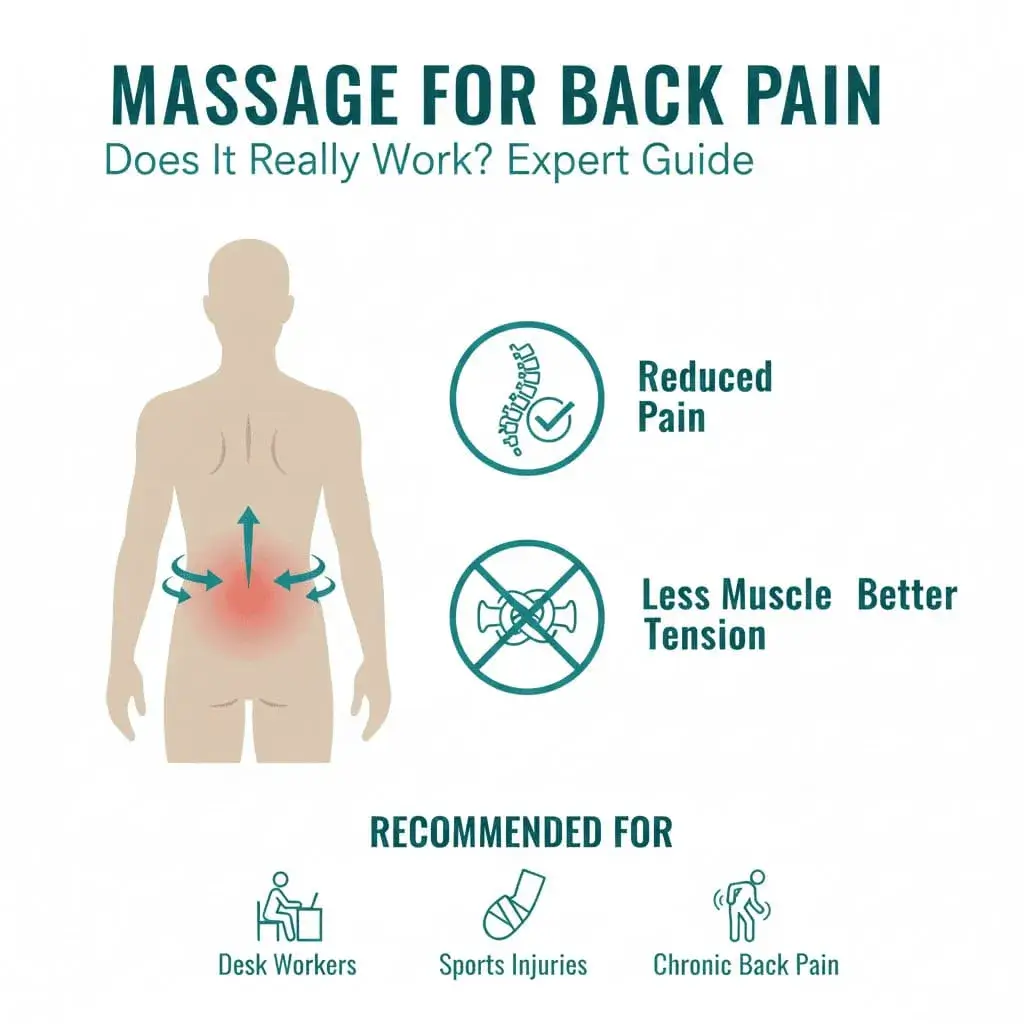
Back Pain Massage at Home: What Works, What to Expect
Yes, massage helps most muscle-related back pain - research agrees. See which massage works, what a home session looks like, and when to see a doctor.
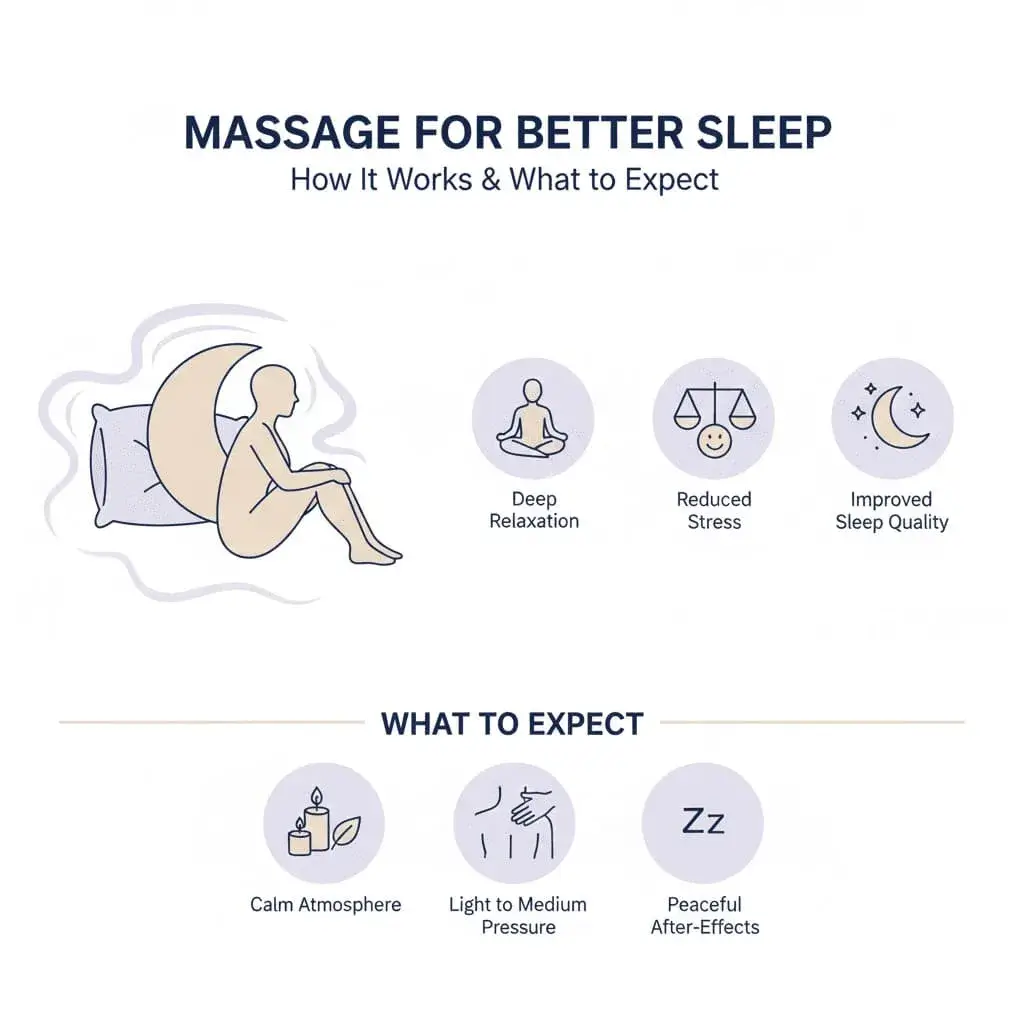
Massage for Better Sleep: How It Works & What to Expect
Learn how massage therapy improves sleep quality by reducing cortisol and boosting serotonin. Best massage types for insomnia and optimal timing guide.
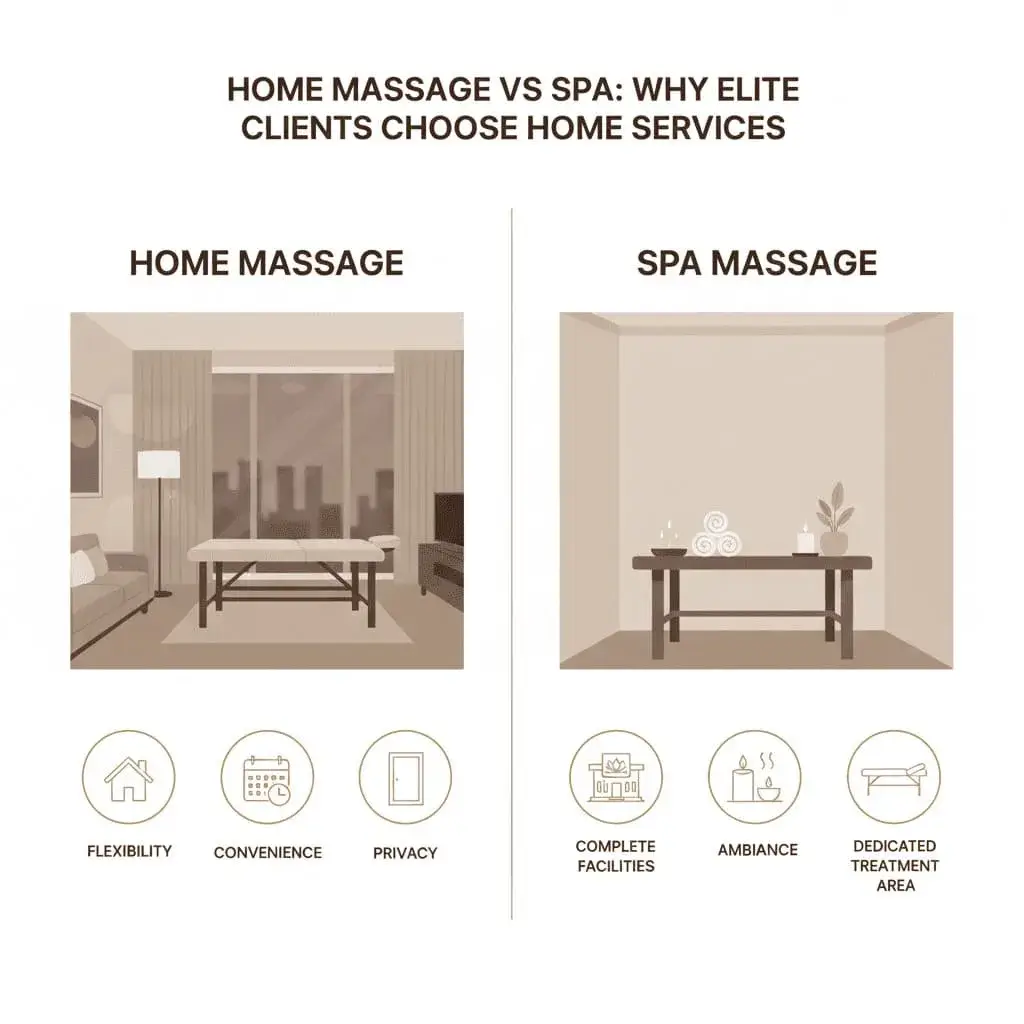
Home Massage vs Spa: Price, Privacy and Which Is Better
Honest comparison of home massage and spa visits in India - cost, hygiene, privacy, travel time, and when each one makes sense for you.
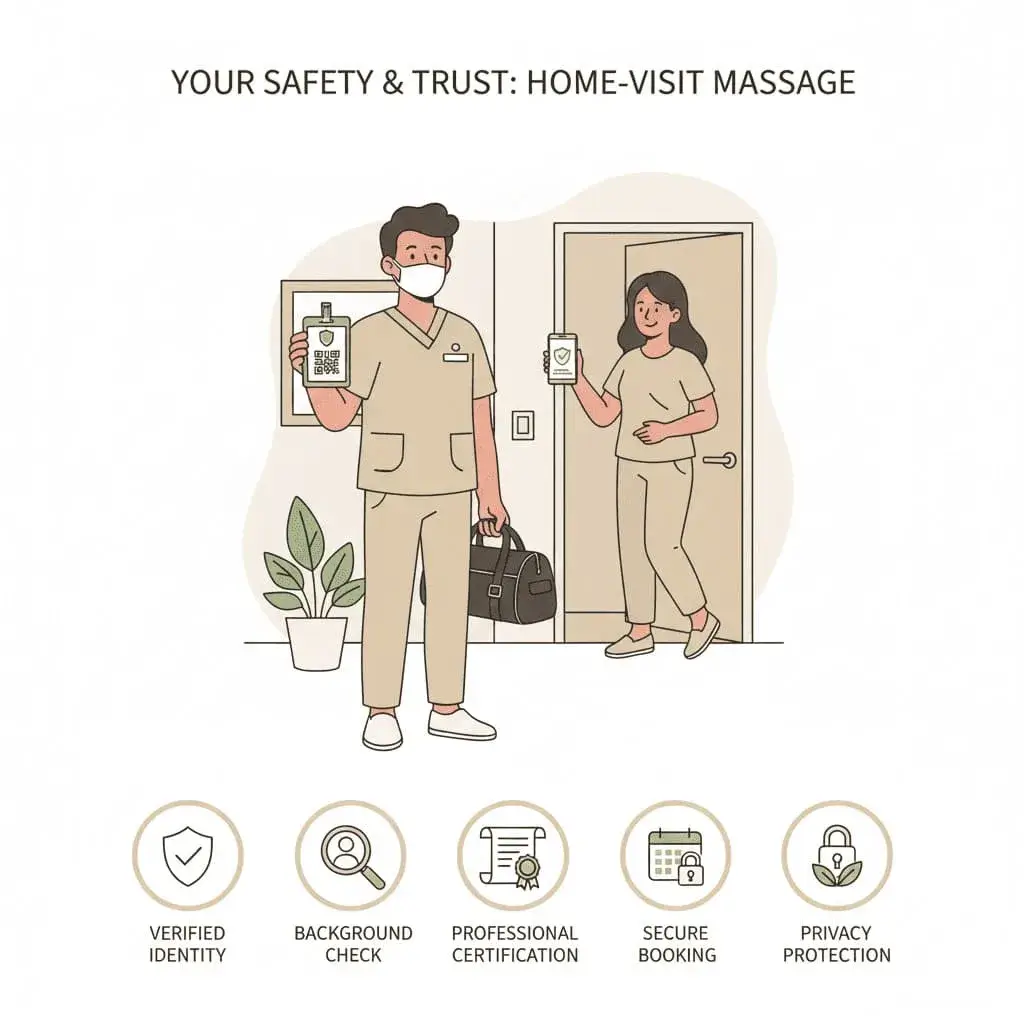
Is Home Massage Safe in India? What to Check Before Booking
Yes, with the right service. See what a verified platform checks before a therapist profile goes live, plus the smart checks you should do yourself.
Massage Services in Other Cities

Professional Home Massage in Mumbai
Professional home massage in Mumbai. {{therapist_count}}+ verified therapists, same-day booking, 40+ areas covered. Swedish, deep tissue & Thai massage. Book now.

Professional Home Massage in Delhi NCR
Professional home massage in Delhi NCR. {{therapist_count}}+ verified therapists offering same-day booking across 50+ areas including Gurgaon, Noida, and CP. Book now.

Professional Home Massage in Bangalore
Professional home massage in Bangalore. {{therapist_count}}+ verified therapists, same-day booking across 50+ areas. Koramangala, Whitefield, HSR Layout. Book now.

Professional Home Massage in Chennai
Professional home massage in Chennai. {{therapist_count}}+ verified therapists, same-day booking, 40+ areas covered. Swedish, deep tissue & Thai massage. Book now.