
Sports Massage Benefits: Recovery for Gym-Goers in India
How targeted massage speeds recovery after training, and how the home session works
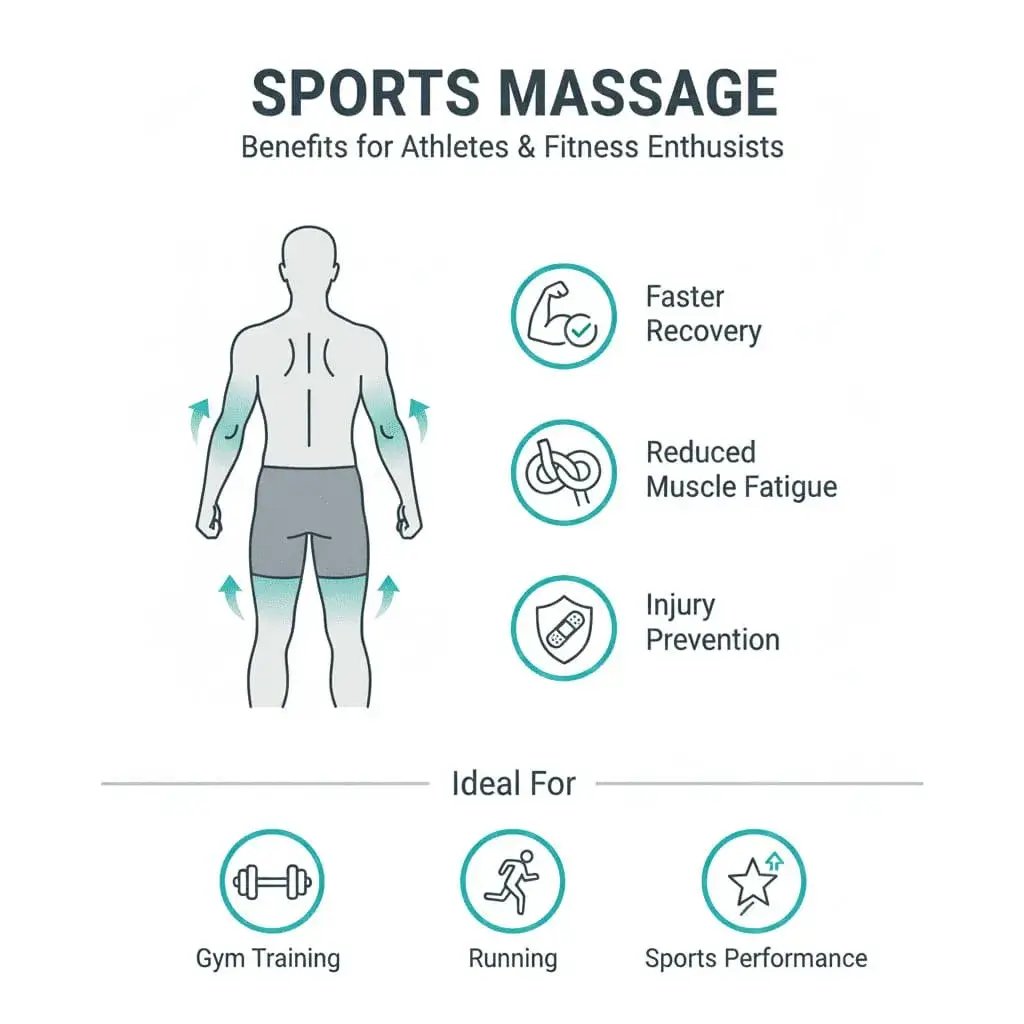
Whether you're training for a marathon, hitting the gym regularly, or just trying to stay active on weekends, your muscles are working hard, and they deserve targeted care. Sports massage isn't reserved for Olympic athletes or professional footballers. It's a practical therapy that helps anyone with an active lifestyle perform better, recover faster, and stay injury-free.
What sets sports massage apart from a regular relaxation massage? It's specifically designed around physical activity. The techniques, timing, and pressure are all adapted to support athletic performance and recovery. Let's break down everything you need to know about this performance-focused therapy.
What Is Sports Massage?
Sports massage is a form of massage therapy designed to help people who engage in physical activity. It uses a combination of techniques, some borrowed from Swedish massage, others from deep tissue work, and many developed specifically for athletes, to address the unique demands that exercise places on the body.
Unlike relaxation massage, which prioritizes comfort and stress relief, sports massage focuses on function. The goal is to prepare muscles for activity, help them recover afterward, maintain optimal condition between sessions, and address specific problems that arise from training. The pressure tends to be firmer, the techniques more targeted, and the approach more clinical.
Sports massage emerged as a distinct discipline in the 1970s and 1980s, primarily through work with elite athletes. Today, it's widely recognized as an essential part of athletic training and recovery, used by everyone from weekend joggers to professional sports teams.
The Four Types of Sports Massage
Sports massage isn't one-size-fits-all. There are four distinct types, each with different goals, techniques, and timing:
1. Pre-Event Massage
Performed 15 minutes to 2 hours before competition or intense training, pre-event massage prepares your body for peak performance. The techniques are quick, stimulating, and focused on the muscle groups you'll be using most. The pressure is lighter than maintenance massage, and the goal is to increase circulation, warm up tissues, and mentally prepare you for activity.
Pre-event massage typically lasts 10-20 minutes and avoids deep work that could leave muscles feeling sluggish. Think of it as a warm-up enhancement rather than a treatment session.
2. Post-Event Massage
Given within 2 hours after competition or intense exercise, post-event massage helps your body begin the recovery process. The focus is on calming the nervous system, reducing muscle spasms, and promoting circulation to help clear metabolic waste from worked muscles.
Post-event work is gentle; your muscles are already stressed and don't need additional deep pressure. Sessions typically last 10-20 minutes and focus on the areas worked hardest during your activity.
3. Maintenance Massage
This is what most people mean when they say "sports massage." Maintenance sessions happen during regular training periods, not immediately before or after events, and provide deeper, more thorough work. The goal is to keep muscles healthy, address developing problems, and maintain flexibility and range of motion.
Maintenance massage typically lasts 60-90 minutes. It can include significant deep tissue work. It's scheduled during easier training periods to allow recovery time before intense sessions.
4. Rehabilitation Massage
When injury occurs, rehabilitation massage becomes part of the recovery protocol. Working alongside physiotherapy and medical treatment, rehab massage helps restore function, reduce scar tissue, and safely return the injured area to full capacity. This type requires specialized training and close communication with your healthcare team.
| Type | Timing | Duration | Pressure | Primary Goal |
|---|---|---|---|---|
| Pre-Event | 15 min–2 hrs before activity | 10–20 min | Light to medium | Warm up and prepare muscles |
| Post-Event | Within 2 hrs after activity | 10–20 min | Light | Begin recovery, calm nervous system |
| Maintenance | During regular training | 60–90 min | Medium to deep | Maintain condition, prevent injury |
| Rehabilitation | During injury recovery | Varies | Varies | Restore function, reduce scar tissue |
Key Techniques Used in Sports Massage
Sports massage therapists draw from a toolkit of specialized techniques. Understanding these helps you communicate better with your therapist about what you need:
| Technique | Purpose | Primary Use | Intensity Level |
|---|---|---|---|
| Effleurage | Warm up tissues, assess muscle condition | Beginning and end of sessions | Light to medium |
| Petrissage | Increase blood flow, reduce tension, improve elasticity | Large muscle groups (quads, hamstrings) | Medium |
| Friction | Break down adhesions, reduce scar tissue, restore mobility | Around joints, tendons, problem areas | Medium to deep |
| Compression | Increase blood flow, warm tissues, energize muscles | Pre-event massage, recovery work | Medium |
| Trigger Point Therapy | Release contracted fibers, relieve referred pain | Specific tension knots | Deep, intense |
| Stretching & Mobilization | Improve flexibility, assess range of motion | Throughout sessions | Light to medium |
8 Key Benefits of Sports Massage
1. Faster Recovery Between Workouts
After intense exercise, your muscles need time to repair and rebuild. Sports massage accelerates this process by increasing blood flow to damaged tissues, bringing oxygen and nutrients while carrying away metabolic byproducts. Research published in the Journal of Athletic Training found that post-exercise massage reduced delayed onset muscle soreness (DOMS) and improved muscle function recovery.
2. Improved Flexibility and Range of Motion
Tight muscles limit how well you can move. Sports massage lengthens muscle fibers, breaks down restrictions in fascia (the connective tissue surrounding muscles), and helps restore optimal muscle length. Better flexibility means more efficient movement patterns and reduced injury risk.
3. Injury Prevention
Many sports injuries don't happen suddenly; they develop over time as small problems accumulate. Regular sports massage identifies tight spots, muscle imbalances, and areas of developing tension before they become full-blown injuries. A skilled therapist can often feel problems developing before you notice symptoms.
4. Reduced Muscle Tension and Pain
Training creates muscle tension; that's how you get stronger. But excessive tension leads to pain, restricted movement, and eventual injury. Sports massage releases this accumulated tension, addressing both general tightness and specific problem areas like trigger points.
5. Enhanced Performance
When your muscles are supple, well-supplied with blood, and free from restrictions, they perform better. Studies have shown that athletes who receive regular sports massage demonstrate improved power output, better endurance, and more efficient movement patterns compared to those who don't.
6. Better Body Awareness
Regular sports massage helps you become more attuned to your body. You'll learn to notice when muscles are getting tight before problems develop, understand your personal patterns of tension, and recognize warning signs that you're overtraining. This proprioceptive awareness is valuable for any athlete.
7. Psychological Benefits
Athletic performance isn't purely physical. Sports massage activates your parasympathetic nervous system, reducing stress hormones and promoting relaxation. Many athletes report feeling mentally refreshed after sessions, with reduced pre-competition anxiety and improved sleep quality during heavy training periods.
8. Breaking Down Scar Tissue
Previous injuries leave scar tissue that can limit flexibility and predispose you to re-injury. Sports massage techniques, particularly cross-fiber friction, help remodel scar tissue into more functional patterns, restoring mobility to previously injured areas.
Who Should Get Sports Massage?
Despite its name, sports massage isn't exclusively for competitive athletes. Anyone who places physical demands on their body can benefit:
- Competitive athletes: From amateur league players to professionals, regular sports massage is often part of training programs
- Recreational runners and cyclists: Even moderate training loads benefit from maintenance massage
- Gym enthusiasts: Weight training and fitness classes create muscle tension that sports massage addresses effectively
- Weekend warriors: Occasional intense activity (hiking trips, sports leagues, fitness events) is hard on untrained muscles
- Physically demanding jobs: Construction workers, nurses, and others whose work is physically taxing experience similar muscle stress as athletes
- Yoga and Pilates practitioners: Flexibility-focused activities can still create imbalances and tension patterns
- Desk workers who exercise: Transitioning from 8 hours sitting to intense exercise creates specific challenges sports massage can address
The common thread isn't elite athleticism; it's physical activity that creates demands on your musculoskeletal system. If you exercise and experience muscle tightness, soreness, or want to improve your physical performance, sports massage is relevant to you.
What to Expect During a Sports Massage Session
Before Your Session
Your therapist will ask about your training routine, recent activities, any injuries or problem areas, and your goals for the session. Be specific. Mentioning that your IT band feels tight after long runs, or that your shoulders seize up after bench pressing, helps your therapist focus on what matters most.
Wear loose, comfortable clothing. Depending on the focus areas, you may be asked to undress to your comfort level (underwear or shorts typically stay on). For lower body work, shorts are often ideal as they allow access without full undressing.
During the Massage
Sports massage is more interactive than spa massage. Your therapist may ask you to move certain ways, provide feedback on pressure, or perform range-of-motion assessments. You might be asked to contract and relax specific muscles as part of certain techniques.
Expect firmer pressure than relaxation massage, particularly during maintenance sessions. However, "no pain, no gain" doesn't apply here. While some discomfort working through tight areas is normal, you shouldn't be gritting your teeth throughout. Communicate with your therapist; they can adjust their approach.
Sessions typically focus on specific areas rather than full body. If you're a runner, expect significant attention to your legs, hips, and lower back. Swimmers might focus on shoulders and back. Your therapist will spend more time on problem areas and less on areas that feel fine.
After Your Session
Drink plenty of water. You may feel slightly tender in areas that received deep work; this typically resolves within 24-48 hours. Light activity is usually fine, but avoid intense training immediately after a deep maintenance session. Your therapist may give you specific stretches or self-care recommendations.
When to Schedule Sports Massage
Timing matters with sports massage. Here's how to fit it into your training schedule:
During Regular Training
Schedule maintenance massage during lighter training periods or rest days. Deep tissue work can leave muscles feeling tender for a day or two, so you don't want it right before an important workout. Weekly to bi-weekly sessions work well for serious athletes; monthly sessions suit recreational exercisers.
Before Competition
Your last deep maintenance session should be 3-5 days before an important event. This gives muscles time to recover from the treatment while retaining the benefits. Pre-event massage on competition day should be light and stimulating, not deep.
After Competition
Light post-event massage within 2 hours helps begin recovery. Wait 24-48 hours before deeper work; your muscles need initial recovery time. A thorough maintenance session 2-3 days after major competition addresses accumulated fatigue and identifies any developing issues.
Sports Massage vs. Deep Tissue Massage: What's the Difference?
People often confuse sports massage with deep tissue massage since both involve firm pressure. However, they have different purposes and approaches:
| Aspect | Sports Massage | Deep Tissue Massage |
|---|---|---|
| Primary Focus | Athletic performance and recovery | Chronic tension and pain relief |
| Client Base | Active individuals, athletes | Anyone with chronic muscle issues |
| Timing Considerations | Scheduled around training/events | No specific timing requirements |
| Techniques | Varied based on training phase | Consistently deep, slow work |
| Stretching Included | Often incorporated | Usually not included |
| Session Approach | Often sport-specific focus areas | General or problem-area focus |
| Therapist Knowledge | Understands athletic training | General muscle anatomy focus |
Many techniques overlap, and maintenance sports massage often includes significant deep tissue work. The key difference is context: sports massage is designed around your training, while deep tissue massage addresses chronic issues regardless of activity level.
Contraindications: When to Avoid Sports Massage
Sports massage isn't appropriate in certain situations:
- Acute injuries: Fresh sprains, strains, or muscle tears need rest, not massage. Wait until the acute phase passes (usually 48-72 hours)
- Inflammation: Red, hot, swollen areas shouldn't receive direct massage pressure
- Infectious skin conditions: Rashes, open wounds, or skin infections can spread with massage
- Fever or illness: Your body needs rest when fighting infection
- Blood clots or DVT risk: Massage can potentially dislodge clots
- Certain medical conditions: Severe osteoporosis, some cardiovascular conditions, and certain cancers require medical clearance
- Immediately before competition: Deep work too close to an event can impair performance
Getting the Most from Sports Massage
To maximize benefits from your sports massage sessions:
- Be consistent: Regular sessions provide cumulative benefits. Sporadic massage helps, but ongoing care prevents problems from developing
- Communicate your schedule: Tell your therapist about upcoming races, heavy training weeks, and competition dates
- Track what works: Notice which techniques help most and share this feedback
- Follow home care advice: Stretches, foam rolling, and other self-care between sessions extends benefits
- Stay hydrated: Proper hydration supports muscle health and recovery
- Time it right: Schedule around your training, not just when convenient
Frequently Asked Questions
How often should I get sports massage?
Is sports massage painful?
Can sports massage improve my running time or lifting performance?
Should I get sports massage if I'm not injured?
Can I work out after sports massage?
What's the difference between a sports massage therapist and a regular massage therapist?
Do I need to be an athlete to benefit from sports massage?
Sports Massage at Home: Convenience Meets Performance
For busy athletes and fitness enthusiasts, traveling to appointments can be a barrier to regular massage. Home-based sports massage eliminates this obstacle. A qualified therapist comes to you, bringing their own table and supplies. You can schedule sessions that fit your training schedule, recover immediately afterward without commuting, and enjoy treatment in familiar surroundings.
Whether you're preparing for your next race, recovering from an intense training block, or simply want to keep your body performing at its best, sports massage is a proven tool for anyone who takes their physical activity seriously.
Related Articles
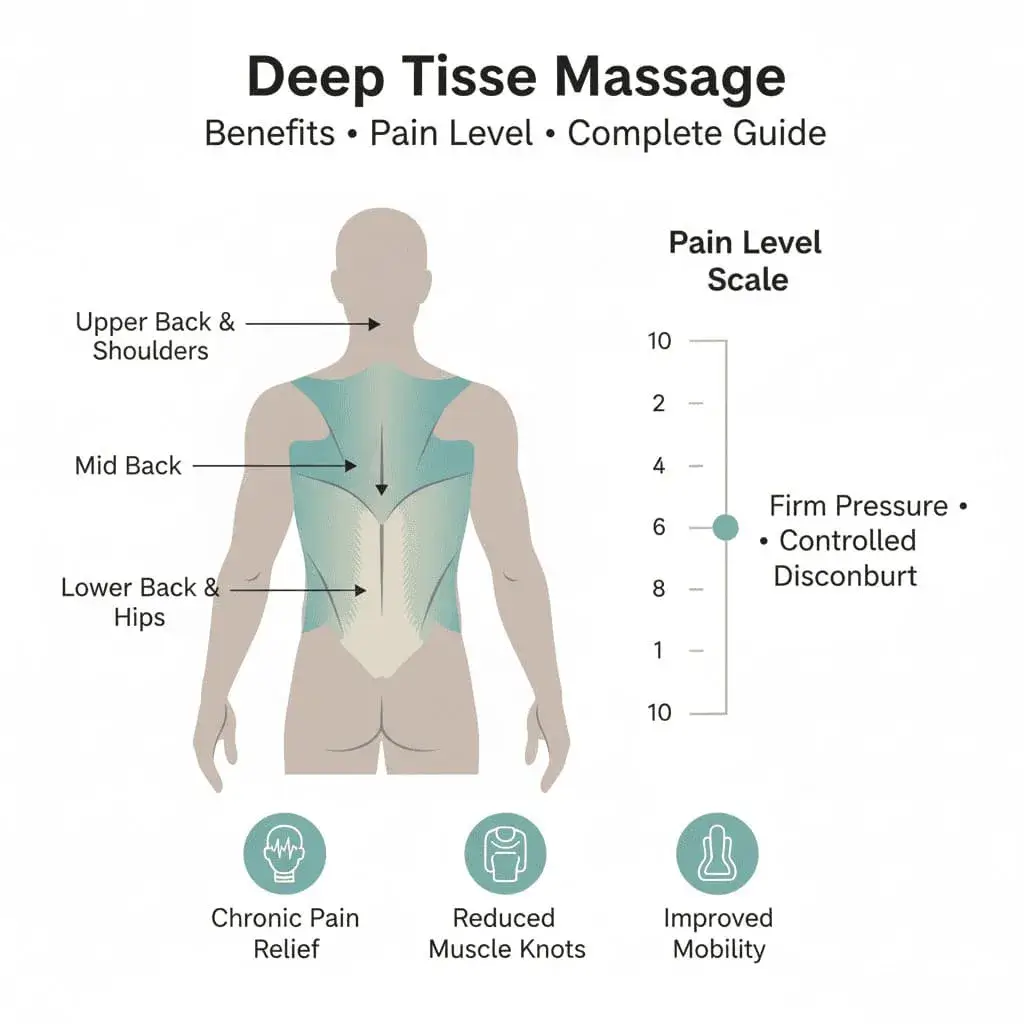
Deep Tissue Massage at Home: Benefits, Price, What to Expect
Deep tissue massage uses slow, firm pressure to release stubborn muscle tension. On our menu it is a 90-minute home session. See benefits, price and prep.
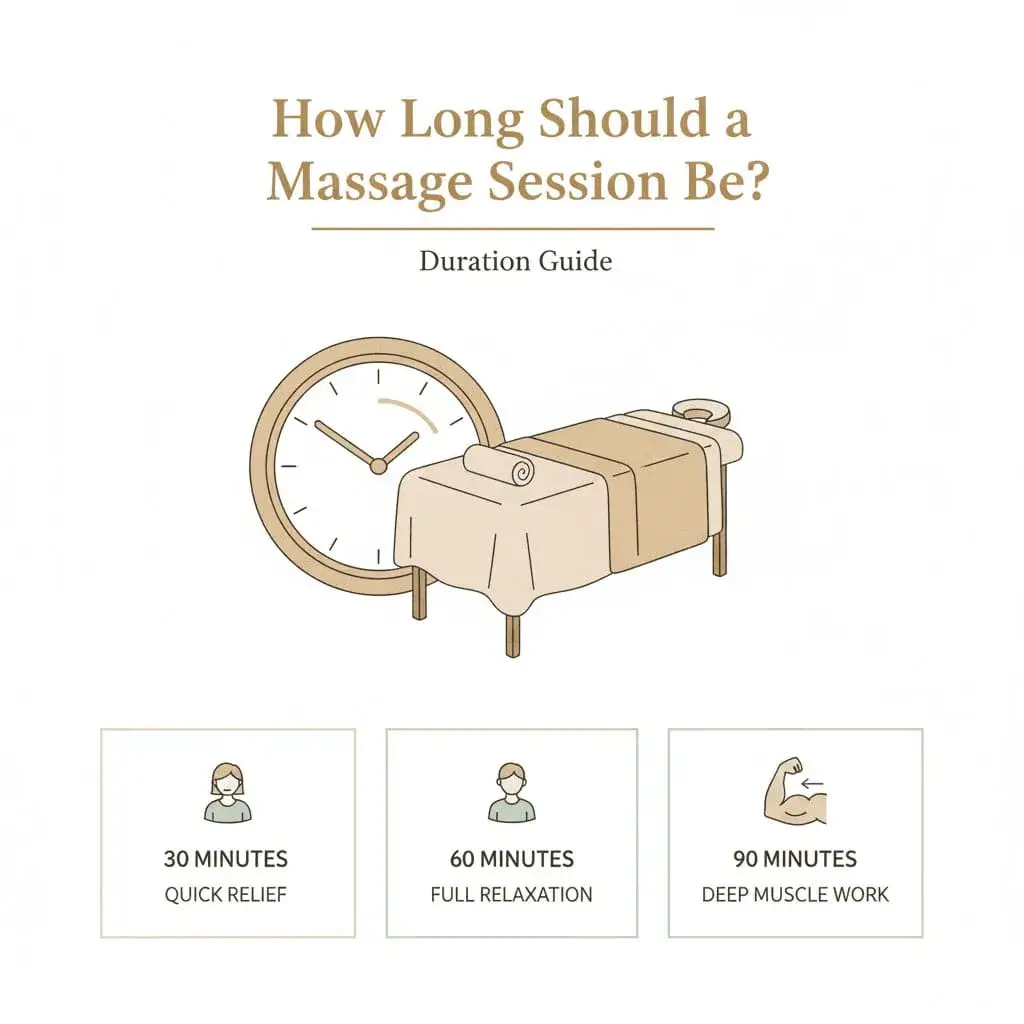
How Long Should a Full Body Massage Be? 60 vs 90 Minutes
Most people book 60 minutes, but is 90 worth the extra cost? See what each session length covers, what it costs at home in India, and how to choose.
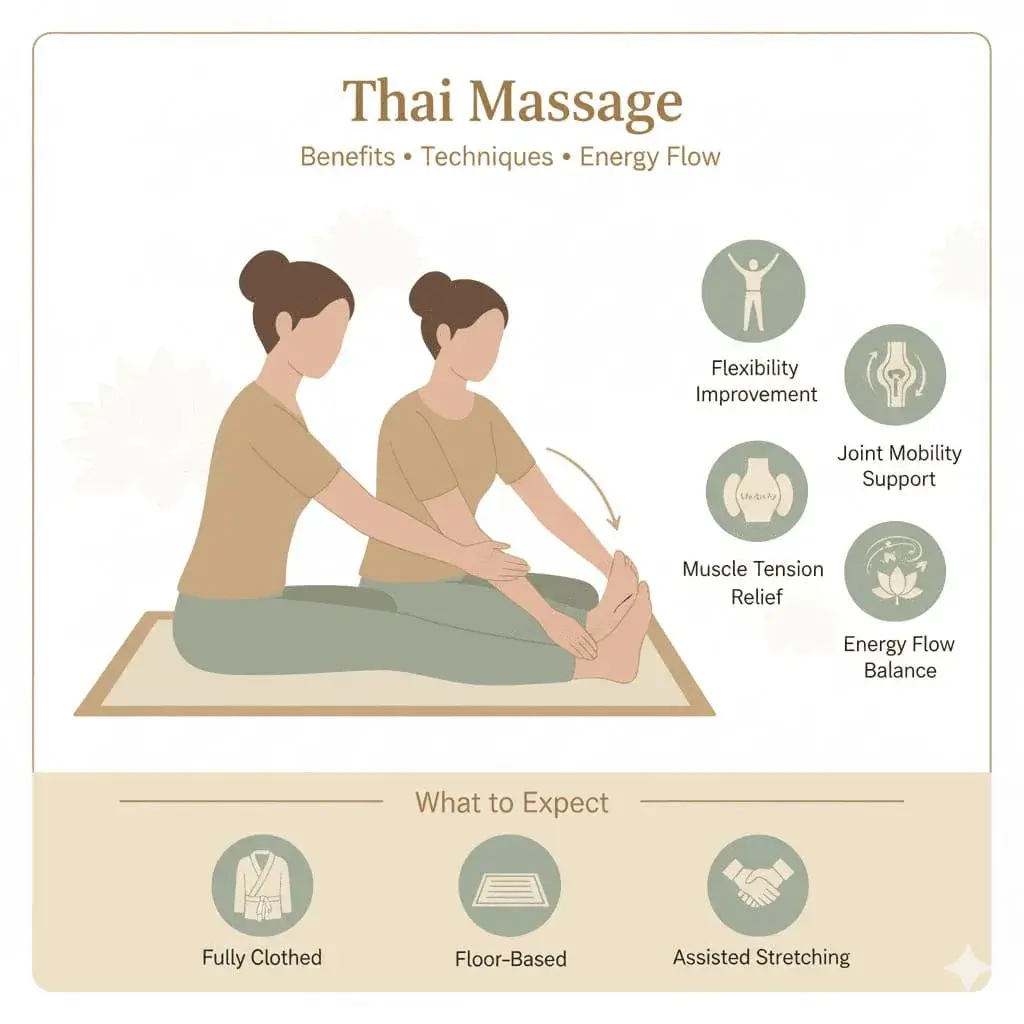
Thai Massage at Home in India: What to Expect
Thai massage is a clothed, oil-free therapy of stretching and rhythmic pressure. On our menu it is a 90-minute home session. Benefits and prep inside.
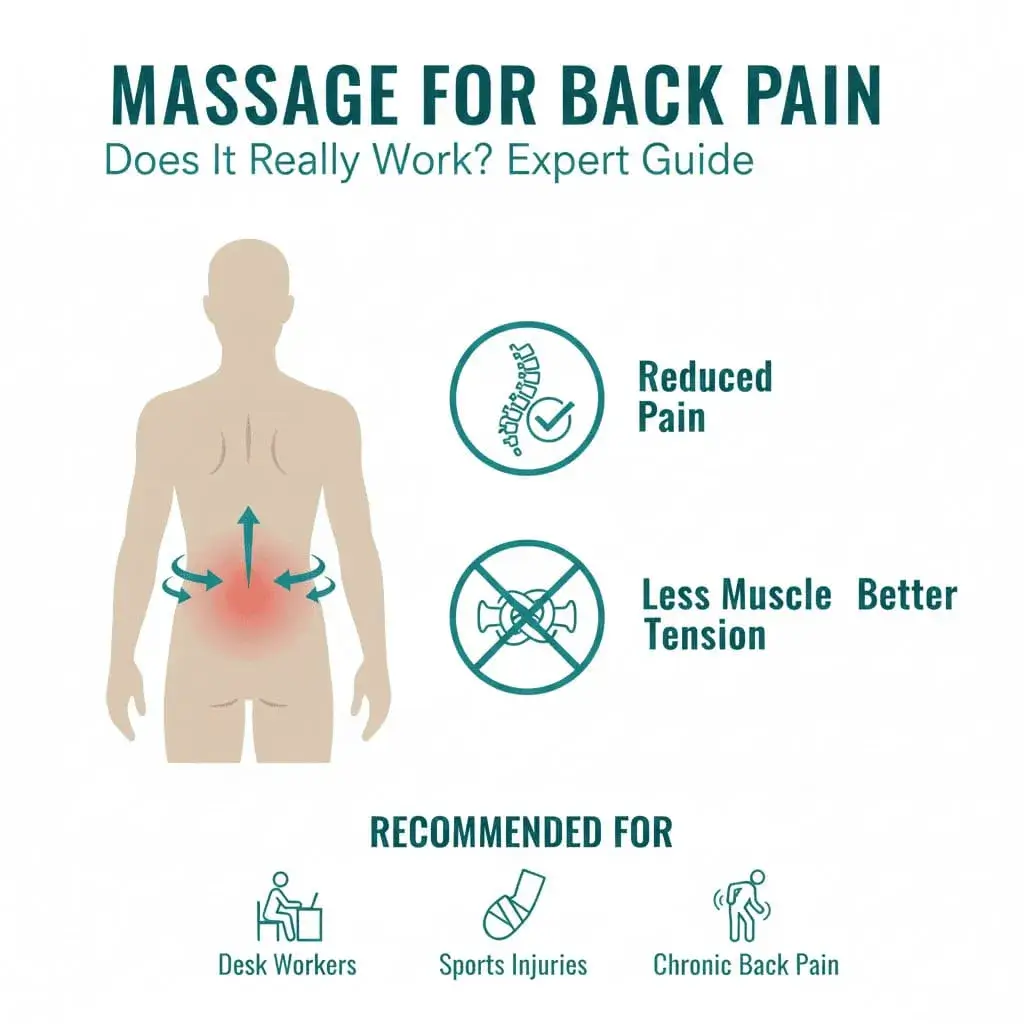
Back Pain Massage at Home: What Works, What to Expect
Yes, massage helps most muscle-related back pain - research agrees. See which massage works, what a home session looks like, and when to see a doctor.
Massage Services in Other Cities

Professional Home Massage in Mumbai
Professional home massage in Mumbai. {{therapist_count}}+ verified therapists, same-day booking, 40+ areas covered. Swedish, deep tissue & Thai massage. Book now.

Professional Home Massage in Delhi NCR
Professional home massage in Delhi NCR. {{therapist_count}}+ verified therapists offering same-day booking across 50+ areas including Gurgaon, Noida, and CP. Book now.

Professional Home Massage in Bangalore
Professional home massage in Bangalore. {{therapist_count}}+ verified therapists, same-day booking across 50+ areas. Koramangala, Whitefield, HSR Layout. Book now.
Professional Home Massage in Pune
Professional home massage in Pune. {{therapist_count}}+ verified therapists offering same-day booking across 40+ areas. Koregaon Park, Baner, Hinjewadi. Book now.