
Massage for Stress & Anxiety: Science-Backed Benefits
How therapeutic touch activates your body's natural relaxation response
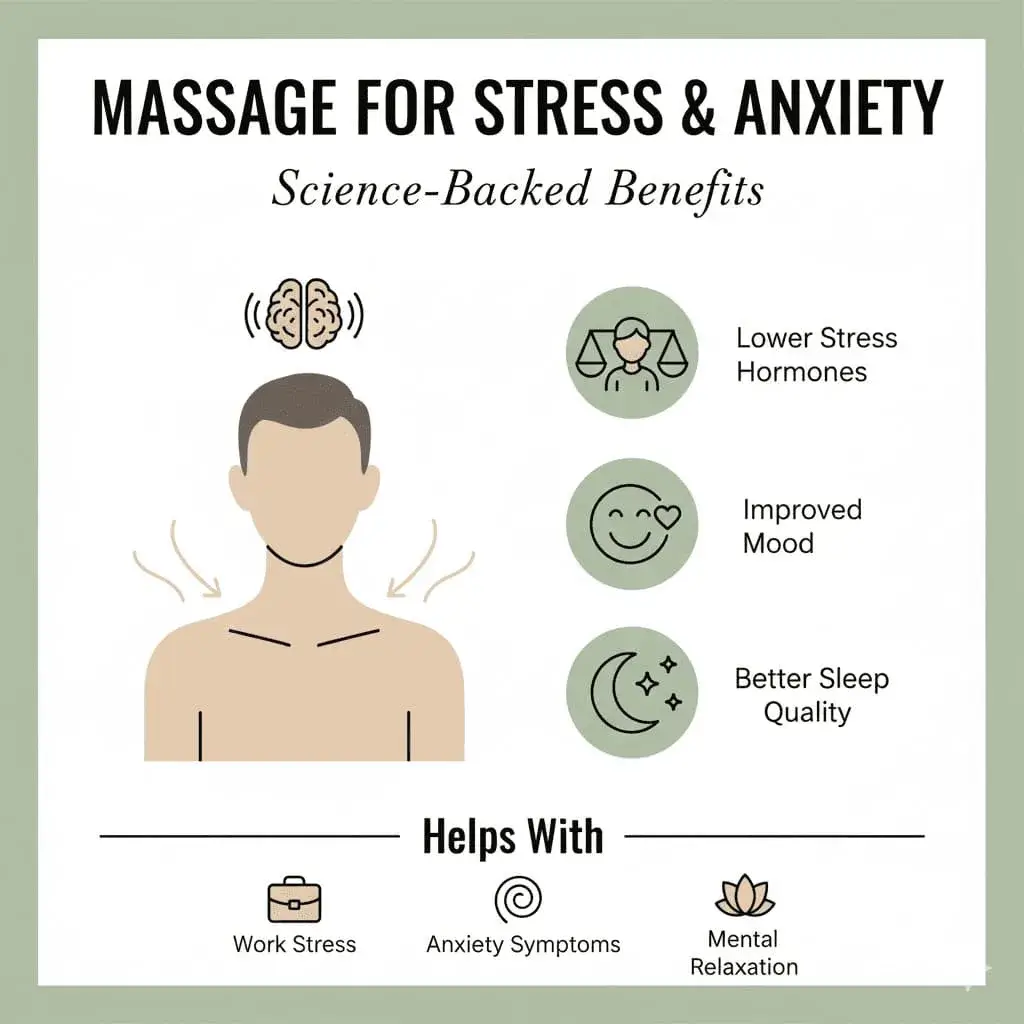
Your shoulders are tight. Your jaw is clenched. Your mind races through tomorrow's problems while you're still dealing with today's. Sound familiar? Chronic stress has become so normalized in modern life that many of us forget what relaxation actually feels like. We've adapted to living in a constant state of low-grade tension, and our bodies are paying the price.
Massage therapy offers something increasingly rare: a genuine reset for your stressed nervous system. But this isn't just about feeling good for an hour. Research shows that massage produces measurable, lasting changes in stress hormones, brain chemistry, and nervous system function. Let's explore the science behind why massage is one of the most effective natural interventions for stress and anxiety.
The Science of Stress: What Happens in Your Body
To understand how massage helps, we first need to understand what stress does to your body. When you perceive a threat (whether it's a tiger or a tight deadline), your sympathetic nervous system triggers the 'fight or flight' response. This cascade of physiological changes evolved to help you survive immediate physical danger.
The Stress Response
- Cortisol and adrenaline flood your bloodstream
- Heart rate and blood pressure increase
- Muscles tense, preparing for action
- Digestion slows (not important when fleeing danger)
- Immune function is temporarily suppressed
- Blood sugar rises for quick energy
- Breathing becomes shallow and rapid
This response is lifesaving in genuine emergencies. The problem is that modern stressors (work pressure, financial worry, relationship conflict, information overload) trigger the same ancient response, but there's no physical outlet. You can't fight your inbox or flee your mortgage. So the stress chemicals accumulate, muscles stay tense, and your body remains stuck in a state of chronic activation.
How Massage Reduces Stress: The Mechanisms
Massage doesn't just feel relaxing. It produces specific physiological changes that counteract the stress response. Multiple mechanisms work together to shift your body from 'fight or flight' to 'rest and digest.'
1. Parasympathetic Activation
Your autonomic nervous system has two branches: the sympathetic (stress response) and parasympathetic (relaxation response). Massage activates the parasympathetic branch, triggering what's called the 'relaxation response,' a term coined by Harvard researcher Dr. Herbert Benson. Heart rate slows, blood pressure drops, muscles relax, and digestion resumes.
The pressure and rhythmic movements of massage stimulate sensory receptors in your skin and deeper tissues. These signals travel to your brain, activating areas associated with safety and calm while quieting the amygdala, the brain's fear and stress center.
2. Cortisol Reduction
Multiple studies have measured cortisol levels before and after massage. Research reviews show massage can lower this stress hormone, though the size of the effect varies from person to person. For many people, it is still a meaningful shift in how stressed the body feels.
The cortisol reduction begins during the massage and continues afterward. Regular massage sessions appear to have cumulative effects, helping to reset baseline cortisol levels over time rather than just providing temporary relief.
3. Serotonin and Dopamine Increase
While cortisol decreases, feel-good brain chemicals increase. Research reviews suggest massage can support serotonin and dopamine levels, though how much varies between people. Serotonin regulates mood, sleep, and anxiety. It's the target of most antidepressant medications. Dopamine is associated with pleasure, motivation, and reward. Massage naturally supports both.
4. Muscle Tension Release
Stress lives in your body. When you're anxious, muscles contract, especially in the neck, shoulders, jaw, and back. This tension becomes a feedback loop: tense muscles signal danger to your brain, which perpetuates the stress response. Massage breaks this cycle by physically releasing contracted muscles, sending signals of safety to your nervous system.
Many people don't realize how much tension they're carrying until it's released. That sensation of 'letting go' during a massage isn't just physical. It's your nervous system recognizing that it's safe to relax.
"You can feel the exact moment a stressed client starts to let go. Their breathing shifts from shallow and rapid to slow and deep, the shoulders drop away from the ears, and the jaw unclenches - sometimes all within the first ten minutes. By the end of the session, I am often working with what feels like a completely different body compared to the one that walked through the door."
5. Oxytocin Release
Oxytocin, often called the 'bonding hormone' or 'love hormone,' is released through positive physical touch. This hormone counteracts cortisol, reduces anxiety, and promotes feelings of trust and connection. Massage, especially when experienced in a safe, caring environment, triggers oxytocin release, contributing to that sense of wellbeing that extends beyond muscle relaxation.
6. Improved Sleep Quality
Stress and poor sleep create a vicious cycle: stress disrupts sleep, and sleep deprivation increases stress hormones. Massage helps break this cycle. The shift toward parasympathetic dominance, combined with serotonin increases (serotonin converts to melatonin, the sleep hormone), often results in dramatically improved sleep following massage therapy.
What the Research Shows
The evidence for massage therapy in stress and anxiety management has grown substantially. Here are some key findings from clinical research:
- A meta-analysis of 17 studies found massage therapy significantly reduced state anxiety (how anxious you feel right now) with effects comparable to psychotherapy
- Hospital studies show massage reduces anxiety in patients before surgery by 24-54%, reducing the need for sedative medications
- Research on workplace massage programs found employees reported 85% less anxiety and 25% improved ability to handle stress
- Studies in cancer patients found massage reduced anxiety by 52% and depression by 47%
- A randomized controlled trial found that twice-weekly massage for 5 weeks reduced generalized anxiety disorder symptoms significantly
Best Massage Types for Stress and Anxiety
Different massage styles offer different benefits for stress relief. The best choice depends on your preferences, sensitivity, and specific needs:
| Massage Type | Best For | Pressure | Key Benefits |
|---|---|---|---|
| Swedish Massage | General stress relief, beginners | Light to medium | Full relaxation response, gentle on body |
| Aromatherapy Massage | Enhanced relaxation, mood support | Light to medium | Added benefits of calming essential oils |
| Hot Stone Massage | Deep relaxation, muscle tension | Medium | Warmth enhances relaxation response |
| Deep Tissue | Stress held as chronic tension | Firm | Releases deep-seated muscle tension |
| Craniosacral Therapy | Anxiety, nervous system regulation | Very light | Calms central nervous system directly |
| Shiatsu | Energy balance, whole-body approach | Varies | Addresses stress through meridian system |
Swedish Massage for Stress
Swedish massage is often the gold standard for stress relief. The long, flowing strokes promote circulation and relaxation without intense pressure that might feel stimulating rather than calming. It's an excellent choice if you're new to massage or if your stress manifests more as mental anxiety than physical tension.
The predictable, rhythmic nature of Swedish massage is inherently calming to the nervous system. Your brain recognizes the pattern as safe and non-threatening, allowing deeper relaxation.
Aromatherapy Massage for Anxiety
Adding essential oils to massage enhances stress relief through your olfactory system. Lavender, in particular, has been extensively studied and shown to reduce anxiety. Other calming oils include chamomile, bergamot, ylang-ylang, and frankincense. The scent molecules travel directly to your limbic system, the emotional center of your brain, producing rapid calming effects.
Aromatherapy massage combines touch-based relaxation with the therapeutic properties of essential oils, creating a multi-sensory experience that many find more effective than either approach alone.
When to Choose Deeper Work
If your stress has accumulated as physical tension (knots in your shoulders, chronic neck stiffness, a perpetually tight jaw), you may benefit from deeper techniques. However, intense pressure isn't inherently more effective for stress relief. Sometimes the body needs gentleness, not force, to truly let go. Communicate with your therapist about what feels right.
Massage for Specific Stress-Related Conditions
Generalized Anxiety Disorder (GAD)
People with GAD experience persistent, excessive worry that interferes with daily life. Research shows massage therapy can significantly reduce GAD symptoms. A study in the Journal of Clinical Psychiatry found that massage was as effective as thermotherapy (heat treatment) for reducing anxiety in GAD patients, with benefits persisting weeks after treatment ended.
For GAD, consistency matters more than intensity. Regular, moderate-pressure massage sessions help retrain the nervous system toward baseline calm rather than chronic vigilance.
Work-Related Stress and Burnout
Professional burnout involves emotional exhaustion, detachment, and reduced performance, often the result of prolonged work stress. Massage addresses multiple burnout symptoms: it reduces the physical tension from desk work, lowers stress hormones, improves sleep, and provides a needed break from productivity-focused thinking.
Studies of workplace wellness programs consistently show that employees who receive regular massage report lower stress, better focus, and improved job satisfaction. The hour spent on massage often returns as increased productivity.
Insomnia and Sleep Anxiety
Can't sleep because you're stressed, or stressed because you can't sleep? This cycle is common, and massage helps break it from both directions. Evening massage sessions are particularly effective. They prepare your body and mind for sleep, increase melatonin-precursor serotonin, and release the physical tension that keeps you tossing.
Many clients report their best sleep comes after massage therapy. Scheduling sessions in the late afternoon or evening can maximize this benefit.
Tension Headaches
Tension headaches, the most common type, are named exactly for their cause: muscle tension in the head, neck, and shoulders, often triggered by stress. Massage directly addresses the source, releasing the contracted muscles that refer pain to your head. Regular massage can reduce both the frequency and intensity of tension headaches.
Maximizing Stress Relief from Massage
To get the most benefit from massage therapy for stress and anxiety, consider these evidence-based strategies:
Frequency Matters
For chronic stress, one massage provides temporary relief. Regular massage (weekly during high-stress periods, bi-weekly or monthly for maintenance) produces cumulative benefits. Your nervous system begins to spend more time in parasympathetic mode, and baseline stress levels decrease. Think of it as training your body to relax, not just forcing temporary relaxation.
| Stress Level | Recommended Frequency | Expected Benefits |
|---|---|---|
| Acute high stress | Weekly | Rapid symptom relief, nervous system reset |
| Chronic moderate stress | Every 2 weeks | Cumulative reduction, improved baseline |
| Maintenance/Prevention | Monthly | Sustained benefits, stress resilience |
| Anxiety disorder (adjunct) | Weekly initially, then reduce | Complement to professional treatment |
Create the Right Environment
Your environment affects how deeply you can relax. Home massage offers advantages for stress relief. You're already in a safe, familiar space, and you don't have to drive home afterward. You can transition directly from massage to rest or sleep. If you do go to a spa or clinic, arrive early to decompress before your session.
Protect the Post-Massage Period
What you do after massage matters. Rushing back to stressful activities undermines the benefits. If possible, schedule massage at the end of your day or week. Avoid checking email or social media immediately after. Give your nervous system time to integrate the relaxation before re-engaging with stressors.
Combine with Other Stress-Management Practices
Massage works even better as part of a comprehensive stress-management approach. Consider combining it with:
- Regular exercise (which also reduces cortisol and increases endorphins)
- Meditation or mindfulness practice
- Adequate sleep hygiene
- Limiting caffeine and alcohol
- Time in nature
- Social connection
- Therapy or counseling when needed
Communicate Your Needs
Tell your massage therapist that stress relief is your primary goal. This affects their approach: they may use slower strokes, spend more time on areas where you hold tension, incorporate breathing cues, or adjust the environment (lighting, music, temperature). The more your therapist understands your needs, the more effective the session.
The Mind-Body Connection
Stress isn't purely mental, and massage isn't purely physical. The separation between mind and body is artificial; they're one interconnected system. When massage releases physical tension, mental tension often releases too. When your nervous system shifts to parasympathetic dominance, anxious thoughts tend to quiet.
This is why massage can sometimes bring up emotions. It's not uncommon to feel unexpectedly emotional during or after a session. Your body is releasing stored tension that includes emotional components. This is normal and healthy, a sign that the massage is working on deeper levels.
Frequently Asked Questions
How quickly does massage reduce stress?
Is firmer pressure better for stress relief?
Can massage help with panic attacks?
How does massage compare to anti-anxiety medication?
Should I get massage if I'm feeling very anxious?
What should I do if I feel emotional during massage?
Can massage help with stress-related digestive issues?
How long do the stress-relief benefits of massage last?
Your Nervous System Deserves a Reset
In a world that constantly demands your attention, energy, and response, massage offers something radical: permission to stop. For 60 or 90 minutes, there's nowhere you need to be, nothing you need to do, no problem you need to solve. Your only job is to receive care and let your body remember what relaxation feels like.
The science is clear: massage produces real, measurable changes in stress physiology. It lowers cortisol, increases feel-good neurotransmitters, activates your relaxation response, and releases the physical tension where stress accumulates. These aren't placebo effects or wishful thinking; they're documented physiological responses that you can experience for yourself.
If stress and anxiety have become your baseline rather than occasional visitors, massage therapy offers a proven path back to equilibrium. Your nervous system has remarkable capacity to heal and rebalance when given the right support. Regular massage can be that support, a consistent reminder to your body that safety and relaxation are possible.
Related Articles
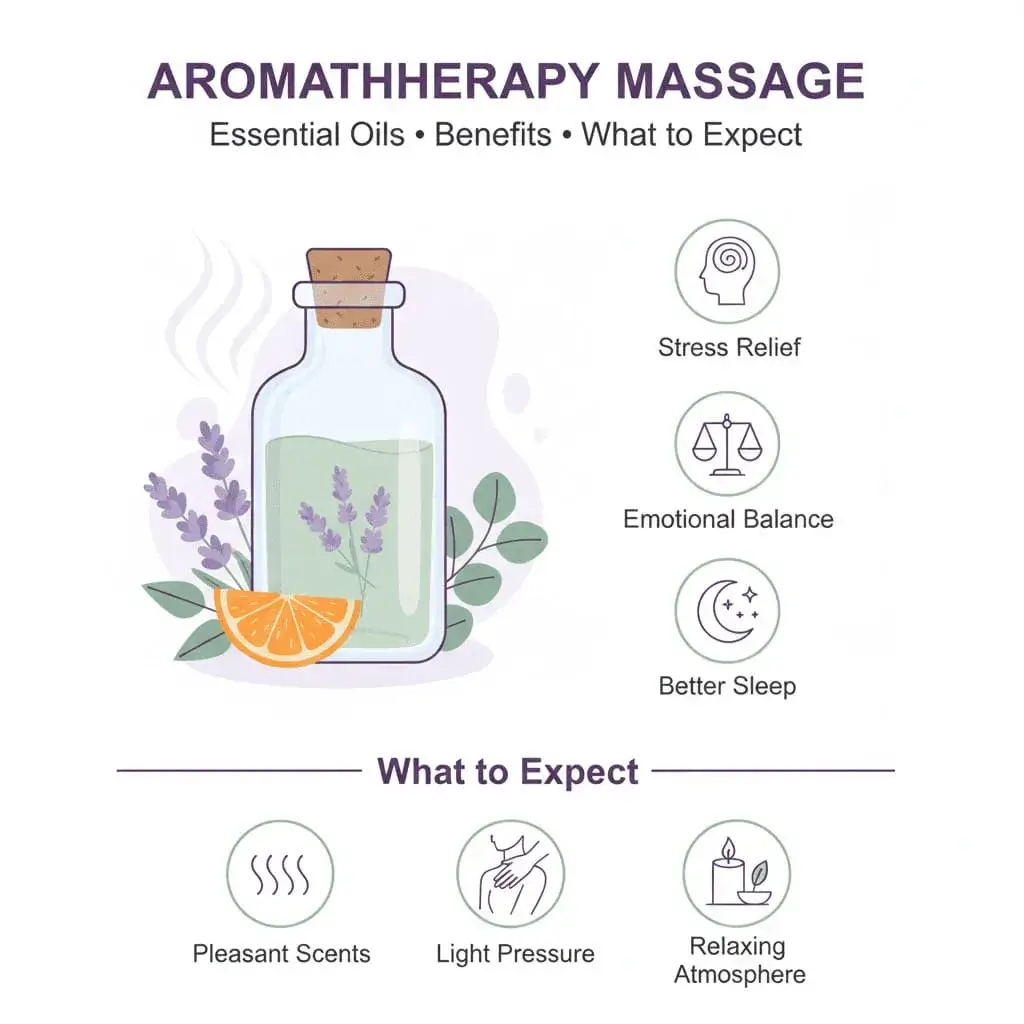
Aromatherapy Massage at Home: Benefits and What to Expect
Aromatherapy massage pairs relaxing strokes with essential oils chosen for your needs. On our menu it is a 60-minute home session. See oils and benefits.
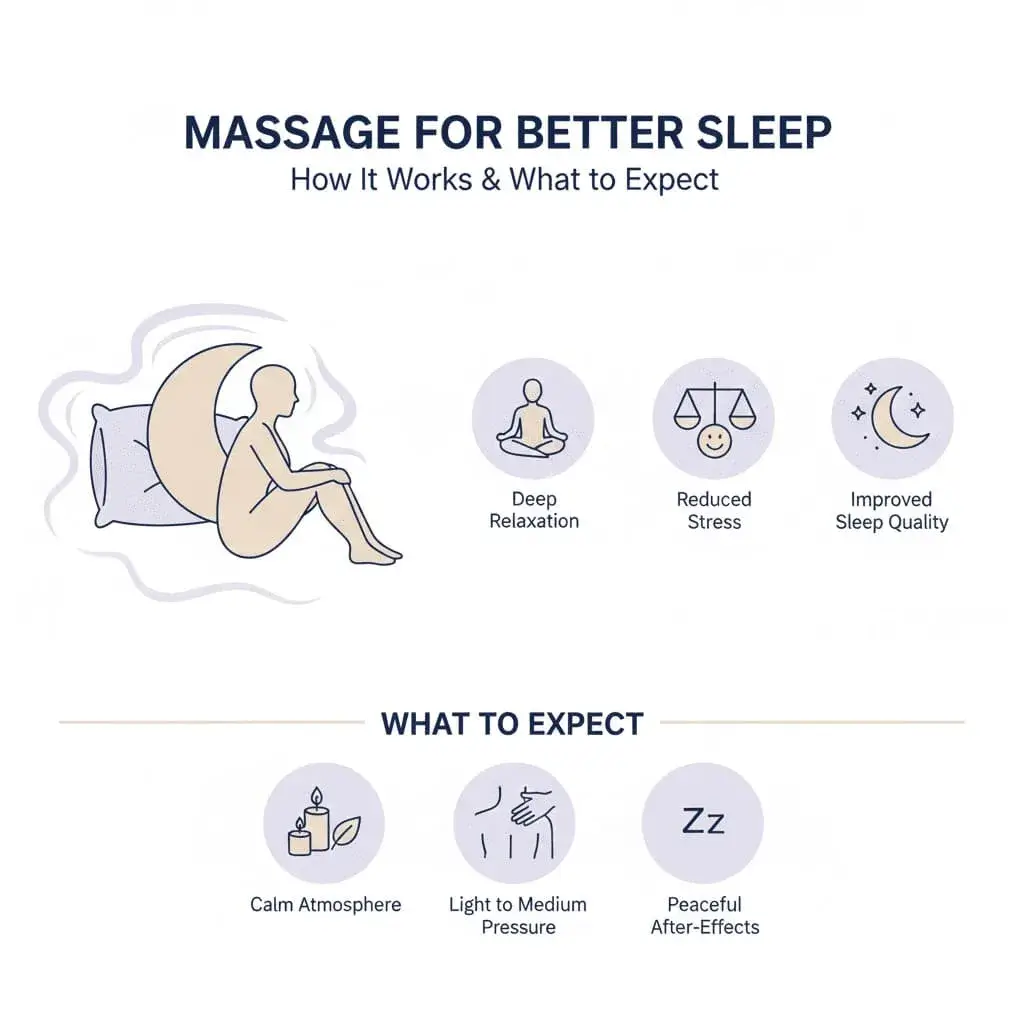
Massage for Better Sleep: How It Works & What to Expect
Learn how massage therapy improves sleep quality by reducing cortisol and boosting serotonin. Best massage types for insomnia and optimal timing guide.
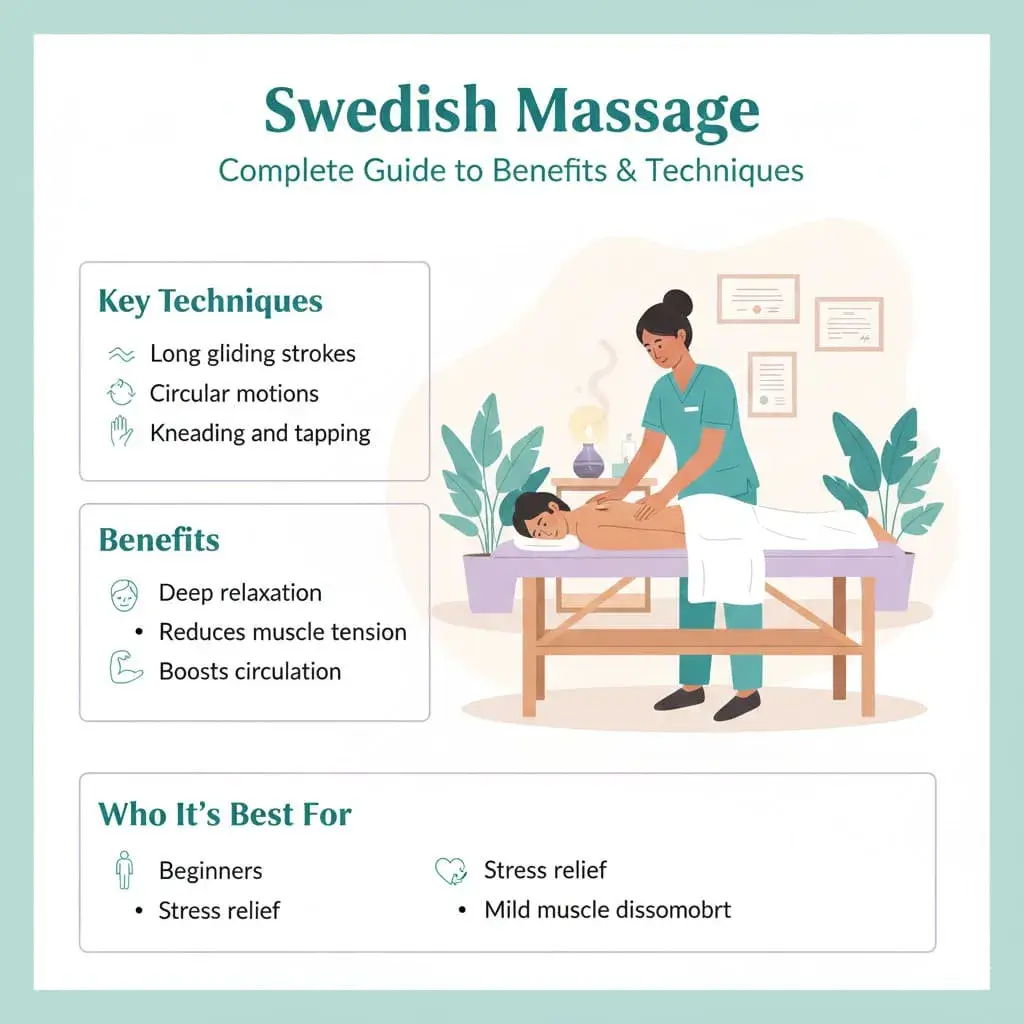
Swedish Massage at Home: Benefits, Techniques and Price
Swedish massage is a gentle full body massage for relaxation. A 60-minute home session starts at ₹1,999 in metro cities. See benefits and techniques.
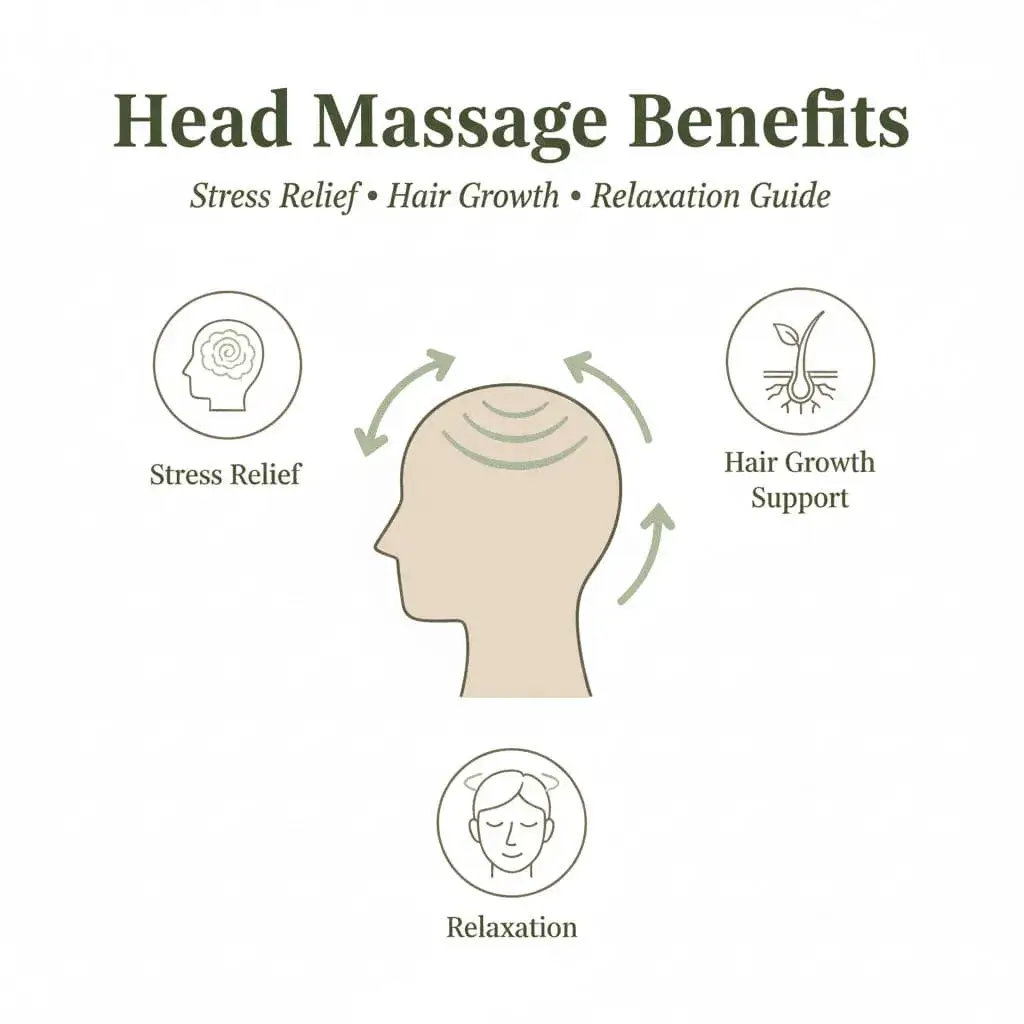
Champi: Indian Head Massage Benefits and How to Do It
What a proper champi does for stress, headaches, and hair, how the barber-shop and grandmother versions differ, and how to get one at home.
Massage Services in Other Cities
Professional Home Massage in Mumbai
Professional home massage in Mumbai. {{therapist_count}}+ verified therapists, same-day booking, 40+ areas covered. Swedish, deep tissue & Thai massage. Book now.

Professional Home Massage in Delhi NCR
Professional home massage in Delhi NCR. {{therapist_count}}+ verified therapists offering same-day booking across 50+ areas including Gurgaon, Noida, and CP. Book now.
Professional Home Massage in Bangalore
Professional home massage in Bangalore. {{therapist_count}}+ verified therapists, same-day booking across 50+ areas. Koramangala, Whitefield, HSR Layout. Book now.
Professional Home Massage in Pune
Professional home massage in Pune. {{therapist_count}}+ verified therapists offering same-day booking across 40+ areas. Koregaon Park, Baner, Hinjewadi. Book now.