
Massage for Better Sleep: How It Works & What to Expect
The science of how therapeutic touch promotes deeper, more restorative rest
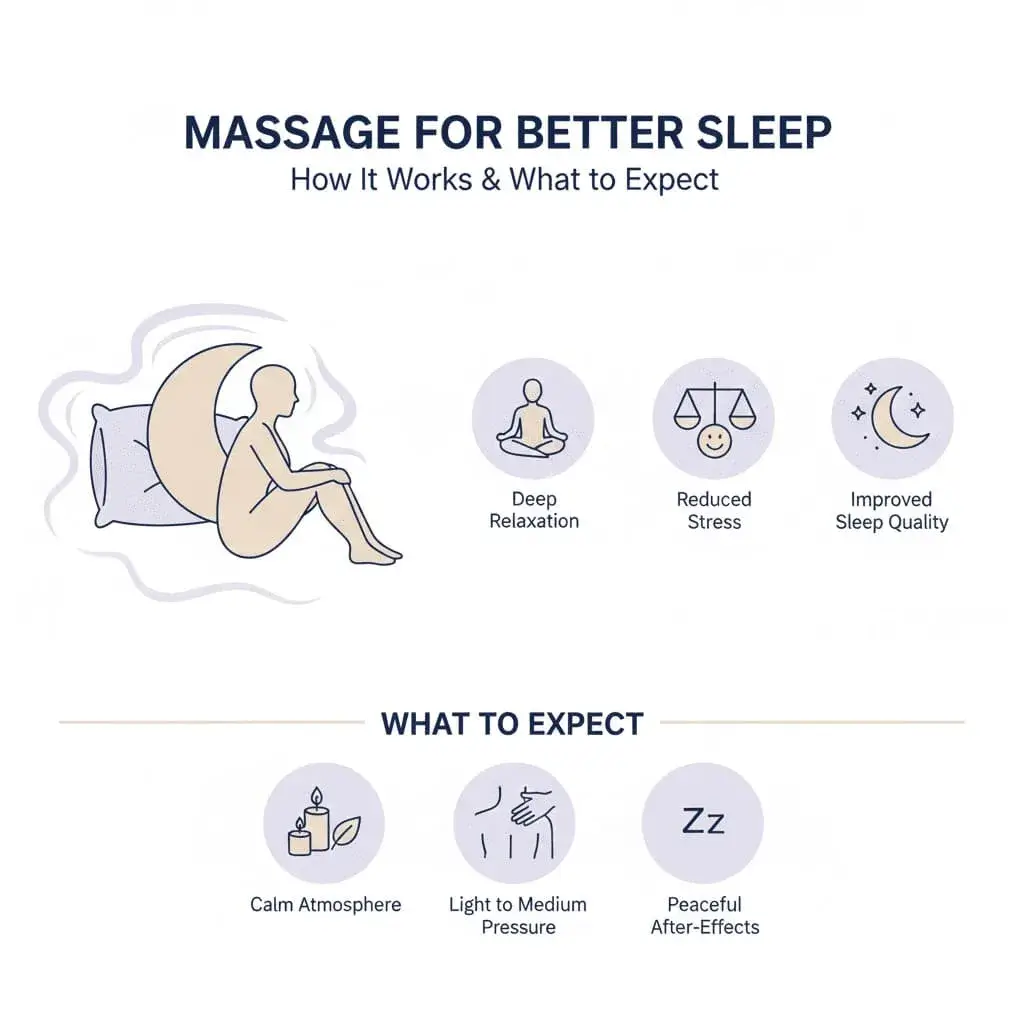
You know the feeling: lying awake at 2 AM, mind racing, body tired but somehow unable to surrender to sleep. You've tried the usual advice (no screens before bed, cooler room, consistent schedule) but still, quality sleep remains elusive. What if the missing piece isn't something you do for yourself, but something done to you?
Massage therapy has emerged as one of the most effective natural interventions for sleep problems. Unlike sleep medications that can cause dependency and morning grogginess, massage works with your body's natural systems to promote genuine, restorative sleep. Let's explore the science behind why massage helps you sleep better and how to maximize its benefits.
Why Sleep Problems Are So Common
Before understanding how massage helps, it's worth recognizing why so many of us struggle with sleep. Modern life creates a perfect storm of sleep disruptors: chronic stress keeps our nervous systems activated, screens flood our eyes with sleep-disrupting blue light, irregular schedules confuse our circadian rhythms, and we've lost many of the physical activities that naturally tire our bodies.
The result? An estimated 30-35% of adults experience symptoms of insomnia. Many more get technically sufficient hours but wake unrefreshed, their sleep shallow and fragmented. Poor sleep isn't just unpleasant. It's linked to weight gain, weakened immunity, cardiovascular problems, cognitive decline, and mental health issues.
The Science: How Massage Improves Sleep
Massage doesn't just make you feel relaxed; it produces measurable biochemical changes that directly promote sleep. Multiple mechanisms work together to shift your body from alert wakefulness to restful readiness.
1. Serotonin and Melatonin Production
This is perhaps the most direct pathway from massage to sleep. Research reviews suggest massage can support serotonin levels, though the effect varies from person to person. Why does this matter for sleep? Serotonin is the precursor to melatonin, your body's primary sleep hormone. More serotonin means more raw material for melatonin production when darkness signals your body to prepare for sleep.
Unlike taking melatonin supplements, which provide an external source, massage helps your body produce more of its own melatonin through its natural pathway. This supports more natural sleep-wake cycles rather than artificially inducing drowsiness.
"Clients who book evening sessions regularly tell me they sleep deeper that night than any other night of the week. I use slower, rhythmic strokes and focus on the neck and scalp towards the end of the session, and many people are already half-asleep by the time we finish. The difference is most noticeable after three or four consistent sessions."
2. Cortisol Reduction
Cortisol, your primary stress hormone, is meant to be high in the morning (helping you wake up) and low at night (allowing sleep). Chronic stress disrupts this rhythm, keeping cortisol elevated when it should drop. Research reviews show massage can lower cortisol levels, which helps your natural sleep-wake cycle function properly.
High evening cortisol is one of the most common causes of difficulty falling asleep and early morning waking. By lowering cortisol, massage removes a major barrier to sleep onset.
3. Parasympathetic Activation
Your autonomic nervous system has two branches: sympathetic (fight or flight) and parasympathetic (rest and digest). Sleep requires parasympathetic dominance; your body needs to feel safe enough to become unconscious. Massage activates the parasympathetic branch, lowering heart rate, reducing blood pressure, and signaling safety to your brain.
Many people with sleep problems are stuck in low-grade sympathetic activation. Their bodies are on alert even when there's no danger. Massage helps reset this pattern, teaching the nervous system to access relaxation more readily.
4. Muscle Tension Release
Physical discomfort disrupts sleep. Tight muscles, aching joints, and chronic pain make it hard to find comfortable positions and cause micro-awakenings throughout the night. Massage directly addresses muscular tension, reducing the physical barriers to restful sleep.
Beyond obvious pain, subtle tension you may not consciously notice (clenched jaw, tight shoulders, contracted lower back) can prevent the deep relaxation needed for quality sleep. Many people don't realize how much tension they carry until massage releases it.
5. Delta Wave Enhancement
Some research suggests massage increases delta wave activity in the brain. Delta waves are the slow brain waves associated with deep sleep, the most restorative sleep stage. While more research is needed, this may partly explain why sleep after massage often feels more refreshing.
What Research Shows
The connection between massage and improved sleep is supported by substantial research across different populations:
- A study of adults with insomnia found that massage therapy improved sleep quality scores by 36% over a control period
- Research on cancer patients showed massage significantly improved sleep quality and reduced fatigue compared to standard care
- Studies in postmenopausal women, a group often affected by sleep disturbances, found massage improved both sleep quality and daytime energy
- Infant massage studies consistently show improved sleep patterns, suggesting the massage-sleep connection is fundamental to human physiology
- Research on fibromyalgia patients found massage improved sleep quality along with reducing pain and anxiety
- Hospital studies show patients who receive massage before procedures sleep better and require less sleep medication
The research spans different conditions, ages, and contexts, suggesting that massage's sleep benefits are a general effect of the therapy, not limited to specific populations.
Best Massage Types for Sleep
While almost any massage can improve sleep, some modalities are particularly effective for promoting rest:
| Massage Type | Sleep Benefits | Best For | Timing |
|---|---|---|---|
| Swedish Massage | Strong relaxation response, gentle on body | General insomnia, new to massage | Evening, 2-3 hours before bed |
| Aromatherapy Massage | Enhanced relaxation via calming scents | Anxiety-related sleep issues | Evening, includes lavender or chamomile |
| Craniosacral Therapy | Deep nervous system calming | Chronic insomnia, PTSD-related sleep issues | Any time, effects are sustained |
| Reflexology | Promotes whole-body relaxation via feet | Those who find full-body massage too stimulating | Evening, very calming |
| Lymphatic Drainage | Extremely gentle, deeply relaxing | Sensitive individuals, inflammation | Any time, very sedating |
| Hot Stone Massage | Warmth enhances relaxation | Muscle tension with sleep issues | Evening, deeply sedating |
Swedish Massage for Sleep
For most people seeking better sleep, Swedish massage is an excellent choice. The long, flowing strokes promote full-body relaxation without the intensity that might leave you feeling stimulated rather than calm. The predictable, rhythmic nature of Swedish massage is inherently soothing to the nervous system.
Swedish massage is gentle enough for evening sessions without risk of soreness that might disrupt sleep. It's also the most widely available style, making it easy to find skilled practitioners.
Aromatherapy Massage for Deeper Relaxation
Adding essential oils amplifies massage's sleep-promoting effects. Lavender, in particular, has been extensively studied for its sedative properties. Research shows lavender reduces anxiety and improves sleep quality. Other sleep-supporting oils include chamomile, bergamot, sandalwood, and ylang-ylang.
The combination of therapeutic touch and calming scent creates a multi-sensory relaxation experience. The scent continues working after the massage ends, especially if you use lavender products at home afterward.
When to Consider Other Modalities
If your sleep problems are related to chronic pain, deep tissue work during daytime sessions (allowing time for any soreness to resolve) combined with gentler evening sessions may be most effective. For anxiety-driven insomnia, craniosacral therapy's profound nervous system calming can be particularly beneficial.
Optimal Timing for Sleep-Promoting Massage
When you receive massage significantly affects its sleep benefits. Understanding your body's rhythms helps you maximize the impact:
Evening Sessions (2-4 Hours Before Bed)
For most people, massage 2-4 hours before intended sleep time is ideal. This allows the full relaxation response to develop, gives serotonin time to convert to melatonin, and lets any initial stimulation (increased circulation, alertness from being touched) settle. You arrive at bedtime deeply relaxed but not drowsy during the treatment.
Evening Sessions (Wind-Down for Sleep)
If you fall asleep during massage or become very drowsy afterward, an evening session works well. Home massage is particularly helpful here: book the last slot of the day (home sessions run 10 AM to 7 PM), and after the therapist leaves you can stay in wind-down mode and head to bed early, with no drive home to wake you back up.
Morning or Daytime Sessions
Even morning massage improves that night's sleep for many people. The cortisol reduction and serotonin boost persist throughout the day, setting up better conditions for sleep that evening. If evening scheduling is difficult, don't skip massage. Daytime sessions still help.
| Timing | Advantages | Best For | Considerations |
|---|---|---|---|
| Morning | Sets positive tone for day | Those who feel groggy after massage | Benefits still carry to evening sleep |
| Afternoon | Balanced timing, reduces day stress | Work-related insomnia | Avoid if you nap, as it may disrupt night sleep |
| Early evening | Optimal serotonin-melatonin conversion | Most insomnia types | Ideal timing for most people |
| Evening (last slot) | Stay in wind-down mode until bed | Trouble sleeping, home massage | Must be gentle techniques only |
Creating a Sleep-Promoting Massage Routine
To maximize sleep benefits, consider massage as part of a broader sleep-promoting routine:
Before the Massage
- Avoid caffeine for at least 4-6 hours prior
- Have a light meal 1-2 hours before (not too full, not hungry)
- Minimize screen time in the hour before your session
- Set up your sleep environment before the massage so bed is ready when you are
- Communicate your sleep goals to your therapist so they can adjust accordingly
During the Massage
- Focus on breathing slowly and deeply
- Let go of trying to stay awake; it's fine if you drift off
- Request calming music or silence rather than upbeat tracks
- Ask for dimmed lighting to support melatonin production
- Allow your mind to wander rather than problem-solving or planning
After the Massage
- Avoid screens, as the blue light disrupts the melatonin boost
- Keep lighting dim in your environment
- Skip caffeine or alcohol (alcohol may seem sedating but disrupts sleep quality)
- Take a warm shower if you enjoy one, but avoid very hot water that might re-energize you
- Transition to calming activities: reading, gentle stretching, meditation
- Go to bed when you feel sleepy and don't push through the drowsiness
Massage Frequency for Sleep Improvement
How often should you get massage if better sleep is your goal? The answer depends on the severity of your sleep issues and how your body responds:
| Sleep Situation | Recommended Frequency | Expected Timeline |
|---|---|---|
| Occasional poor sleep | Monthly | Immediate improvement, ongoing maintenance |
| Chronic mild insomnia | Every 2 weeks | 2-4 weeks to notice significant improvement |
| Moderate insomnia | Weekly for 4-6 weeks, then reduce | 3-6 weeks for substantial improvement |
| Severe chronic insomnia | Twice weekly initially, reduce as improving | 4-8 weeks for meaningful change |
Start with more frequent sessions, then reduce as your sleep improves. Many people find their sleep gains persist even as they reduce massage frequency. The goal is to retrain your nervous system, and once that's accomplished, maintenance becomes easier.
Home Massage Advantages for Sleep
When sleep improvement is your primary goal, home massage offers significant advantages:
- No driving after treatment, so stimulation from traffic, lights, and navigation cannot undo relaxation
- Immediate transition to sleep-ready environment
- Flexible scheduling for optimal pre-bed timing
- Already in comfortable, familiar surroundings with no alertness needed for navigation
- Can schedule later evening sessions that wouldn't be practical at a spa
- No need to get dressed and presentable after deep relaxation
The post-massage drive home is particularly problematic for sleep goals. You've just achieved deep relaxation, and then you have to become alert enough to drive safely. By the time you're home, you may have lost much of the benefit. Home massage eliminates this completely.
Massage for Specific Sleep Problems
Difficulty Falling Asleep
If your main issue is racing thoughts and inability to relax at bedtime, massage addresses this directly. The parasympathetic activation and cortisol reduction quiet the mental chatter. Evening massage timed 2-3 hours before bed is typically most effective. Focus on Swedish or aromatherapy massage with emphasis on relaxation rather than therapeutic pressure.
Waking During the Night
Middle-of-night waking often relates to cortisol dysregulation (cortisol rising too early) or physical discomfort. Regular massage helps reset cortisol rhythms, and addressing muscular tension reduces physical causes of waking. If pain wakes you, include targeted therapeutic work during daytime sessions.
Waking Too Early
Early morning waking (especially with inability to return to sleep) often indicates elevated cortisol. Massage's cortisol-lowering effects can be particularly helpful here. Some research also suggests massage improves time spent in deep sleep, reducing the early-morning light sleep that leads to premature waking.
Non-Restorative Sleep
If you sleep enough hours but wake unrefreshed, you may not be achieving adequate deep sleep. Massage's potential delta wave enhancement and overall nervous system calming may help you achieve more restorative sleep stages. Regular sessions are particularly important for this issue.
Pain-Related Sleep Problems
When pain disrupts your sleep, a two-pronged approach works best: therapeutic massage (deep tissue, trigger point) during daytime to address the pain source, and gentler relaxation massage in the evening to promote sleep. Over time, as pain decreases, sleep naturally improves.
Frequently Asked Questions
How quickly will massage help my sleep?
Is it okay to fall asleep during massage?
Should I get massage if I have a sleep disorder diagnosis?
Will massage help if my insomnia is caused by anxiety?
What if I'm too tense to relax during massage?
How does evening massage compare to sleep medication?
Can massage help with jet lag or shift work sleep issues?
My partner has sleep problems. Should we do couples massage?
Sleep Is Foundational
Quality sleep isn't a luxury; it's the foundation of physical health, mental clarity, emotional stability, and quality of life. When sleep suffers, everything suffers. The relationship between massage and sleep represents one of the most practical applications of massage therapy: a natural, side-effect-free intervention that works with your body rather than overriding it.
If you've struggled with sleep, the standard advice (better sleep hygiene, consistent schedule, no screens) may not be enough. These practices are important but don't address the accumulated tension, dysregulated stress hormones, and stuck nervous system patterns that often underlie chronic sleep problems. Massage reaches deeper.
Consider what better sleep would mean for your life: more energy, clearer thinking, better mood, improved health. Regular massage is an investment in all of these outcomes. And unlike many health interventions, it's genuinely pleasant: you get to enjoy the process while building toward better sleep.
Related Articles
Massage for Stress & Anxiety: Science-Backed Benefits
Discover how massage therapy reduces stress and anxiety through proven mechanisms. Best massage types for relief and what clinical research shows.
Aromatherapy Massage at Home: Benefits and What to Expect
Aromatherapy massage pairs relaxing strokes with essential oils chosen for your needs. On our menu it is a 60-minute home session. See oils and benefits.
Swedish Massage at Home: Benefits, Techniques and Price
Swedish massage is a gentle full body massage for relaxation. A 60-minute home session starts at ₹1,999 in metro cities. See benefits and techniques.
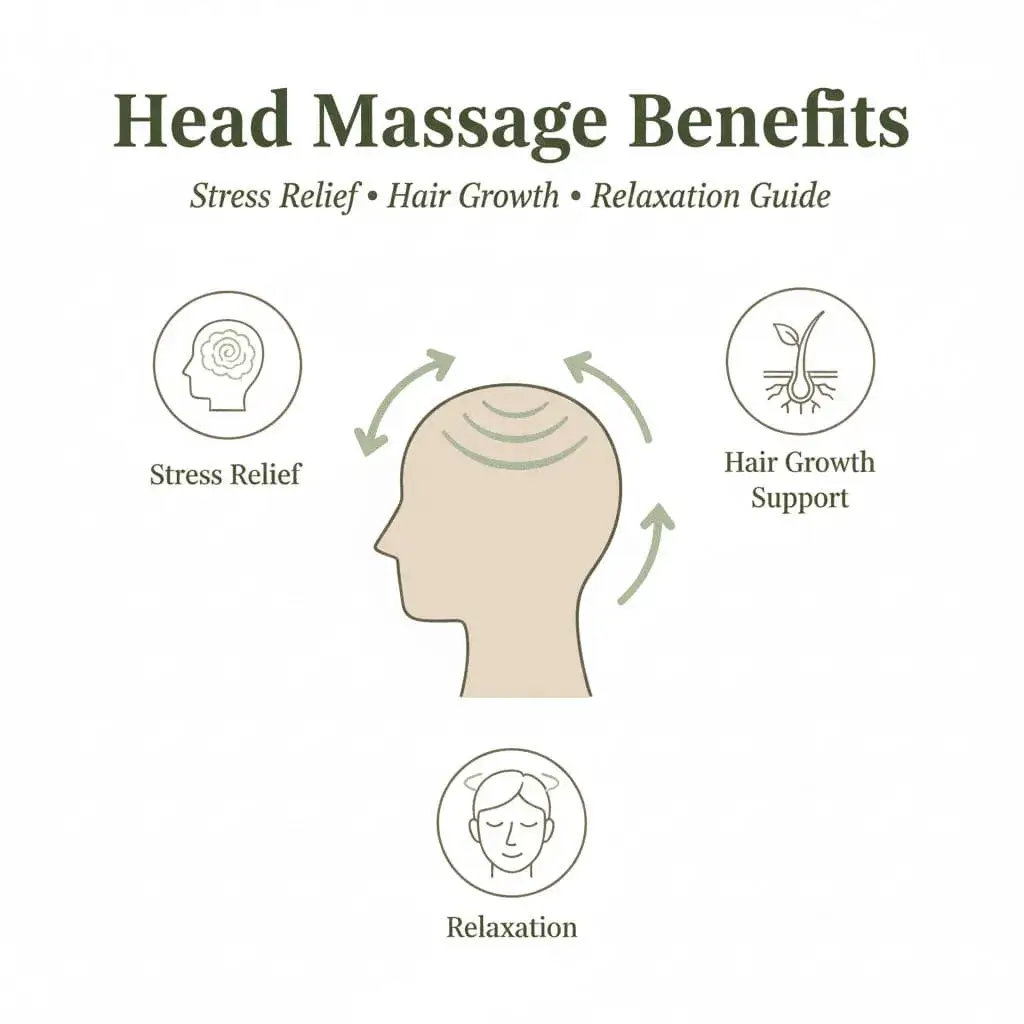
Champi: Indian Head Massage Benefits and How to Do It
What a proper champi does for stress, headaches, and hair, how the barber-shop and grandmother versions differ, and how to get one at home.
Massage Services in Other Cities

Professional Home Massage in Mumbai
Professional home massage in Mumbai. {{therapist_count}}+ verified therapists, same-day booking, 40+ areas covered. Swedish, deep tissue & Thai massage. Book now.

Professional Home Massage in Delhi NCR
Professional home massage in Delhi NCR. {{therapist_count}}+ verified therapists offering same-day booking across 50+ areas including Gurgaon, Noida, and CP. Book now.

Professional Home Massage in Bangalore
Professional home massage in Bangalore. {{therapist_count}}+ verified therapists, same-day booking across 50+ areas. Koramangala, Whitefield, HSR Layout. Book now.

Professional Home Massage in Chennai
Professional home massage in Chennai. {{therapist_count}}+ verified therapists, same-day booking, 40+ areas covered. Swedish, deep tissue & Thai massage. Book now.