
Swedish Massage at Home: Benefits, Techniques and Price
The foundation of modern massage therapy explained
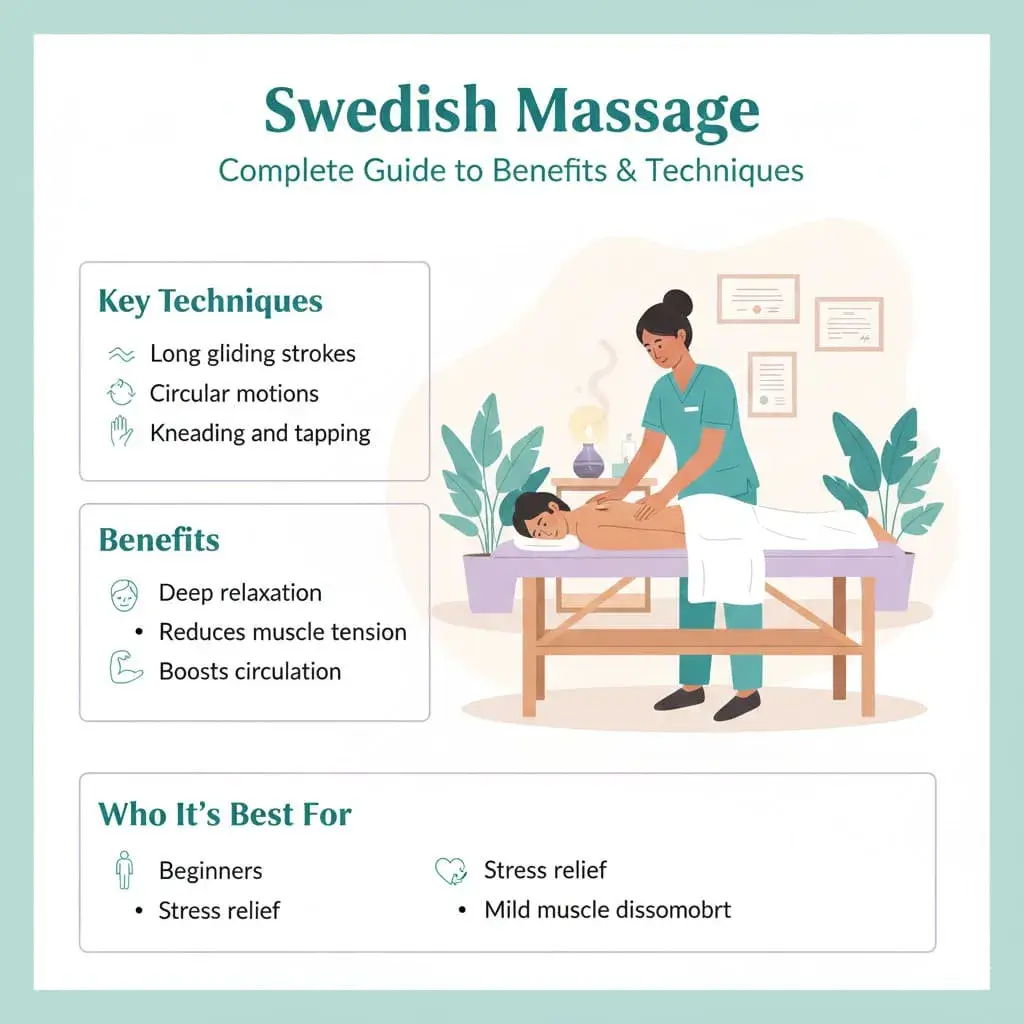
When most people picture a full body massage, they're imagining Swedish massage. Long, flowing strokes, a peaceful atmosphere, and that distinctive feeling of tension melting away. It's the most common massage style practiced worldwide, and it serves as the foundation that massage therapists learn before specializing in other techniques.
But Swedish massage is more than just "the basic one." It's a carefully developed system with specific techniques, each serving a distinct therapeutic purpose. Understanding these techniques helps you get more from your sessions and communicate better with your therapist about what you need.
On our menu, Swedish massage is the 60-minute entry service, starting at ₹1,999 in metro cities. There is no travel charge and no taxes added on top. You can check the exact rate for your city on the live price list.
What Makes Swedish Massage Unique
Swedish massage was developed in the early 19th century by Per Henrik Ling, a Swedish physiologist who combined his knowledge of anatomy with gymnastics and traditional massage techniques from China, Egypt, and Greece. His system became the basis for what we now call Western massage therapy.
What distinguishes Swedish massage from other massage styles is its focus on the whole body rather than specific problem areas. The techniques are designed to improve overall circulation, ease muscle tension throughout the body, and create a state of deep relaxation. Unlike targeted therapies like trigger point or deep tissue work, Swedish massage treats the body as an integrated system.
The Five Core Swedish Massage Techniques
Swedish massage uses five fundamental techniques, each with a specific purpose. Understanding these helps you know what's happening during your session and why certain movements feel the way they do.
1. Effleurage (Gliding Strokes)
Effleurage consists of long, smooth strokes that glide over the body, following the direction of blood flow toward the heart. This technique typically opens and closes a Swedish massage session. The therapist uses their palms and fingertips to create a continuous, flowing movement.
Purpose: Effleurage warms up the muscles, spreads massage oil evenly, and begins the process of increasing circulation. It also helps the therapist assess muscle tension across different areas of your body. The gentle, rhythmic nature of effleurage activates your parasympathetic nervous system; the "rest and digest" mode that promotes relaxation.
2. Petrissage (Kneading)
Petrissage involves kneading, squeezing, and rolling the muscles, similar to kneading bread dough. The therapist lifts muscle tissue away from the bone, compresses it, and releases in rhythmic patterns. This technique is usually applied after the muscles have been warmed with effleurage.
Purpose: Petrissage increases blood flow to muscles, helps break down adhesions in muscle fibers, and stimulates lymphatic drainage. It's particularly effective for areas that hold chronic tension, like shoulders and upper back. Many people find petrissage to be the most satisfying part of a Swedish massage.
3. Friction
Friction involves deep, circular pressure applied with thumbs, fingertips, or palms. Unlike gliding strokes, friction keeps the hands in place while moving the underlying tissue. This technique generates heat and targets specific areas of tension.
Purpose: Friction helps break up scar tissue and muscle adhesions, increases local circulation, and releases knots. In Swedish massage, friction is applied more gently than in deep tissue work, but it still provides targeted relief to problem spots your therapist identifies.
4. Tapotement (Rhythmic Tapping)
Tapotement uses rhythmic percussion movements. Tapping, cupping, hacking (using the edge of the hand), or pounding with loose fists. It might seem counterintuitive that tapping could be relaxing, but when performed correctly, tapotement has a surprisingly soothing effect.
Purpose: Tapotement stimulates nerve endings, improves muscle tone, and increases blood flow to the area. Lighter tapotement is relaxing, while more vigorous application can be energizing. Therapists often use tapotement on larger muscle groups like the back and thighs, avoiding bony areas.
5. Vibration (Shaking)
Vibration involves rapid shaking or trembling movements applied with the hands or fingertips. The therapist may use fine vibrations for smaller areas or broader oscillating movements for larger muscle groups.
Purpose: Vibration helps relax tight muscles, stimulate circulation, and soothe nerves. It's particularly useful for releasing tension in areas that don't respond well to pressure, like along the spine or around joints. Similar techniques are also used in hot stone therapy. Not all Swedish massage sessions include significant vibration work, but it's part of the complete technique repertoire.
Research-Backed Benefits of Swedish Massage
Swedish massage has been studied more extensively than almost any other massage style. Research consistently shows benefits across multiple dimensions of health:
Stress and Anxiety Reduction
Studies show that Swedish massage can reduce cortisol levels (the stress hormone) while supporting serotonin and dopamine, the brain chemicals linked to mood. This makes it highly effective for stress and anxiety relief. Research reviews confirm massage can lower cortisol, though the size of the effect varies from person to person.
The relaxation response triggered by Swedish massage doesn't just feel good; it has measurable physiological effects. Heart rate and blood pressure decrease during and after sessions, and studies show these benefits can persist for several days.
Pain Relief
Swedish massage provides effective relief for various types of pain. The American College of Physicians includes massage therapy in its guidelines for treating chronic back pain. Research has also shown benefits for headaches, neck pain, and general muscle soreness.
The mechanism involves both physical and neurological factors. Physically, Swedish massage improves circulation and reduces muscle tension. Neurologically, it activates pressure receptors under the skin that send calming signals to the brain and help modulate pain perception.
Improved Circulation
The long strokes of effleurage, always directed toward the heart, mechanically assist blood flow through veins. Research using Doppler ultrasound has confirmed that Swedish massage increases blood flow velocity in both superficial and deep blood vessels.
Better circulation means more efficient delivery of oxygen and nutrients to tissues, plus improved removal of metabolic waste products. This benefit is similar to what you'd experience with sports massage. This is why you're encouraged to drink water after a massage; it helps your body flush out the waste products released from muscles.
Enhanced Immune Function
A study published in the Journal of Alternative and Complementary Medicine found that Swedish massage increased the number of lymphocytes (white blood cells that fight infection) in participants. Understanding what massage does to your body helps explain these effects. The immune boost was attributed to reduced cortisol (high cortisol suppresses immune function) and direct stimulation of the lymphatic system.
Swedish Massage vs Other Massage Types
Understanding how Swedish massage compares to other popular styles helps you choose the right approach for your needs:
| Massage Type | Pressure | Primary Goal | Best For |
|---|---|---|---|
| Swedish | Light to medium | Relaxation, circulation | Stress relief, beginners, general wellness |
| Deep Tissue | Medium to firm | Release chronic tension | Stubborn knots, chronic pain, athletes |
| Thai | Medium (with stretching) | Flexibility, energy flow | Those who prefer no oil, active stretching |
| Sports | Variable | Athletic performance | Pre/post workout, injury prevention |
| Ayurvedic | Light to medium | Balance doshas, relaxation | Those seeking traditional Indian therapy |
If you are trying to decide between Swedish and deep tissue, our Swedish vs deep tissue guide compares the two side by side and helps you pick the right one for your body.
What to Expect in a Swedish Massage Session
Knowing what happens during a Swedish massage helps you feel comfortable and get the most from your experience:
Before the Session
- Your therapist will ask about your health history, any injuries, and your goals for the session
- You'll discuss pressure preferences, Swedish massage typically uses light to medium pressure, but this can be adjusted
- You'll be shown how to position yourself on the massage table (usually face-down to start)
- The room will be warm, with soft lighting and often relaxing music
During the Session
A full-body Swedish massage typically lasts 60-90 minutes and covers the back, shoulders, neck, arms, hands, legs, feet, and sometimes the scalp and face. You'll be draped with a sheet throughout, with only the area being worked on exposed.
The therapist will use massage oil or lotion to reduce friction and allow smooth gliding strokes. Sessions usually begin with your back, as this allows you to settle in and relax before the therapist addresses other areas. The rhythm is steady and flowing, designed to induce deep relaxation.
After the Session
- You'll be given time to slowly get up and dress. Rushing can leave you feeling dizzy
- Drink plenty of water to help flush metabolic waste released from muscles
- Light soreness in some areas is normal and typically resolves within 24 hours
- Many people feel deeply relaxed or even sleepy. Plan accordingly, especially for your first session
Who Benefits Most from Swedish Massage
While Swedish massage benefits almost everyone, certain groups find it particularly valuable:
People New to Massage
The moderate pressure and relaxing nature of Swedish massage makes it ideal for first-timers. It introduces you to professional massage without the intensity of deep tissue or the complexity of techniques like Thai massage. Once you're comfortable with Swedish massage, you can explore other styles based on your evolving preferences.
Those Dealing with Stress and Anxiety
If your primary concern is mental rather than physical tension, Swedish massage's focus on relaxation makes it especially effective for stress and anxiety. The rhythmic strokes and overall calming experience activate your parasympathetic nervous system, helping to reset your stress response.
Desk Workers and Sedentary Professionals
Sitting for long hours leads to tight muscles and poor circulation throughout the body. Swedish massage addresses these issues comprehensively, improving blood flow, releasing general tension, and counteracting the physical effects of sedentary work. Many IT professionals find Swedish massage particularly beneficial.
People Recovering from Illness
The gentle nature of Swedish massage makes it safe for people recovering from minor illness, seniors, or those who can't tolerate intense pressure. The improved circulation and immune-supporting benefits help support the body's healing processes.
Anyone Seeking General Wellness
You don't need to have a specific problem to benefit from Swedish massage. Many people incorporate regular sessions into their wellness routine as a form of self-care, finding that consistent massage helps them maintain lower stress levels and better overall physical comfort.
How Often Should You Get Swedish Massage
The ideal massage frequency depends on your goals, budget, and how your body responds:
- For stress management: Every 2-4 weeks maintains relaxation benefits
- For general wellness: Monthly sessions help many people stay balanced
- For specific issues: Weekly sessions initially, then spacing out as symptoms improve
- For post-workout recovery: 1-2 times per week during intense training
- For maintenance: Once every 4-6 weeks once you've achieved your goals
Many people find that the benefits of Swedish massage compound over time. Those who receive regular sessions often report that their general stress levels decrease, they sleep better, and they become more aware of tension in their bodies before it becomes problematic.
Preparing for Your Swedish Massage
A little preparation helps you get the most from your session:
- Avoid heavy meals for at least an hour before your appointment
- Arrive a few minutes early to fill out any forms and settle in
- Remove jewelry that might interfere with the massage
- Use the restroom before your session starts
- Communicate your preferences for pressure, areas to focus on or avoid, and room temperature
- Turn off your phone to fully disconnect
Swedish Massage at Home vs. Spa
Choosing between home massage and spa depends on your priorities. Both options have distinct advantages:
Home Massage Benefits
- No travel means you can fully relax before, during, and after your session
- You remain relaxed in your own space afterward; no driving home in traffic
- Complete privacy in your own environment
- Flexible scheduling that works around your commitments. Ideal for couples sessions too
- You can go straight to bed after an evening session
Spa Massage Benefits
- Additional amenities like steam rooms or pools
- Complete change of environment from daily life
- Social aspect if you're going with friends
- May include other services as part of a package
For pure relaxation purposes, many people find home massage superior. The elimination of travel and the ability to stay in your relaxed state longer often enhances the stress-relief benefits that Swedish massage provides. Learn more about home massage safety for peace of mind.
Common Questions About Swedish Massage
Is Swedish massage good for back pain?
Can Swedish massage help with weight loss?
How is Swedish massage different from a regular massage?
Should I talk during a Swedish massage?
Can I get Swedish massage during pregnancy?
Why do I feel tired after Swedish massage?
Making the Most of Your Swedish Massage
To maximize the benefits of your Swedish massage sessions:
- Communicate openly about pressure preferences; the best pressure is what feels right for you
- Breathe deeply during the massage; shallow breathing limits relaxation
- Let your therapist know about any areas that need extra attention or should be avoided
- Schedule sessions when you don't have to rush afterward
- Maintain hydration in the hours following your massage
- Consider regular sessions rather than only when you're extremely stressed
Swedish massage has remained the world's most popular massage style for over a century because it works. Its combination of relaxation, circulation improvement, and gentle muscle work addresses the needs most people have from massage therapy. Whether you're seeking stress relief, general wellness support, or simply a peaceful hour in your busy week, Swedish massage delivers. Professional Swedish massage is available through home services in Mumbai, Bangalore, Delhi, Pune, and other major cities.
Related Articles
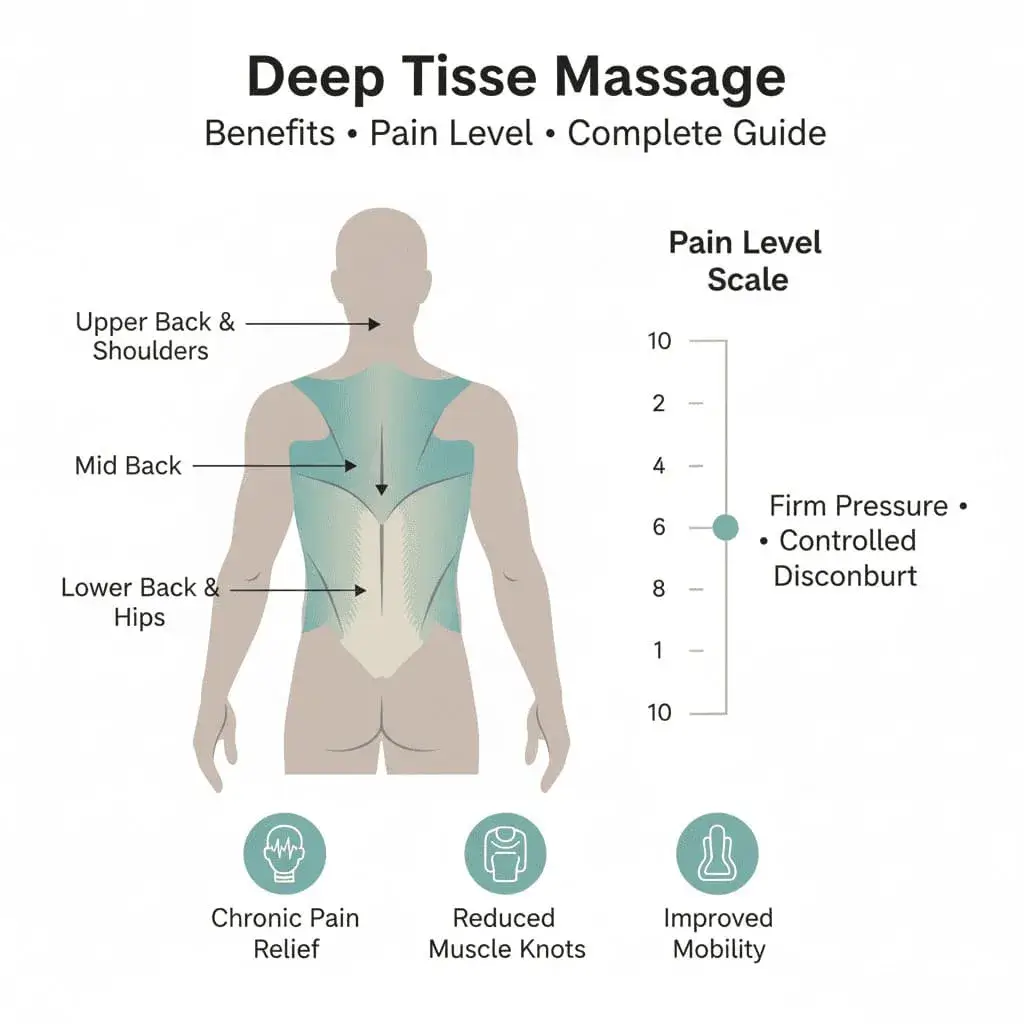
Deep Tissue Massage at Home: Benefits, Price, What to Expect
Deep tissue massage uses slow, firm pressure to release stubborn muscle tension. On our menu it is a 90-minute home session. See benefits, price and prep.
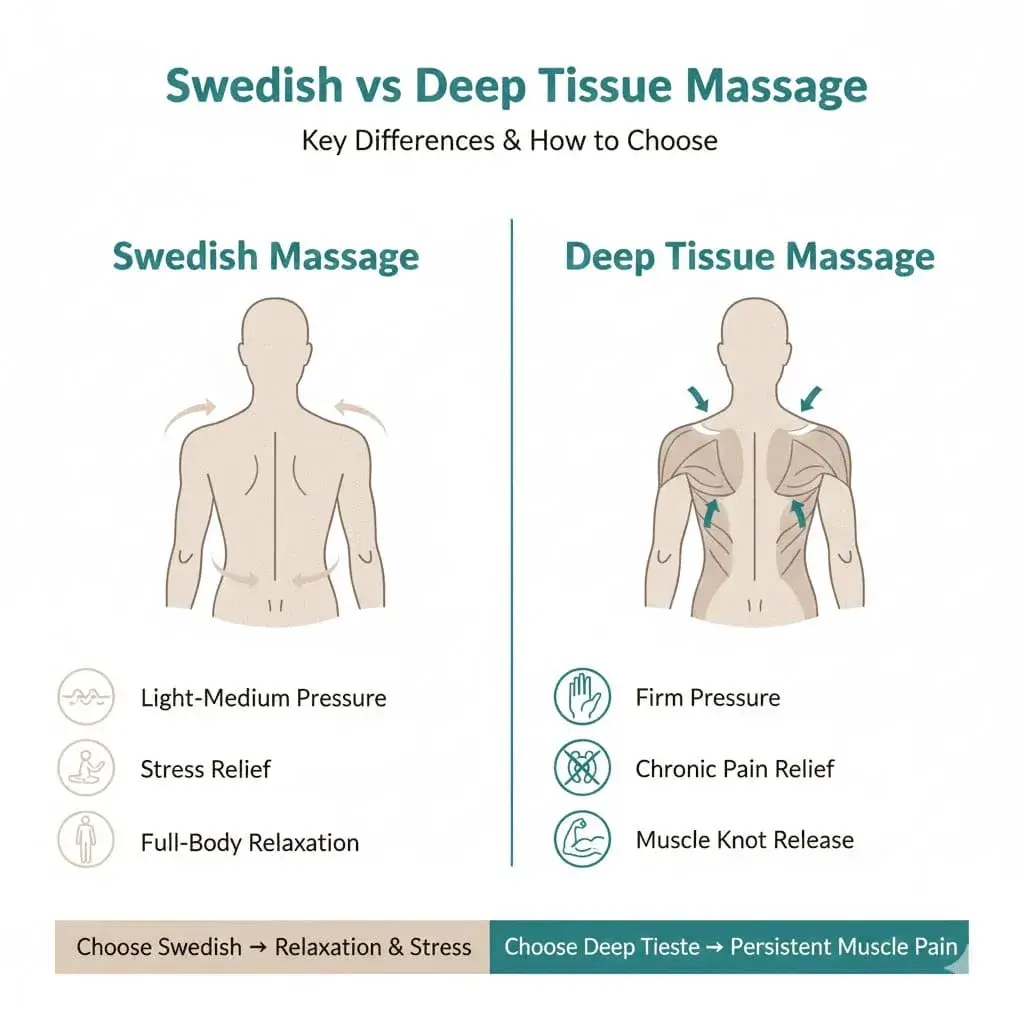
Swedish Massage vs Deep Tissue: Which Is Right for You?
Compare Swedish and deep tissue massage: pressure, techniques, benefits, and who each is best for. Find out which massage type matches your needs.
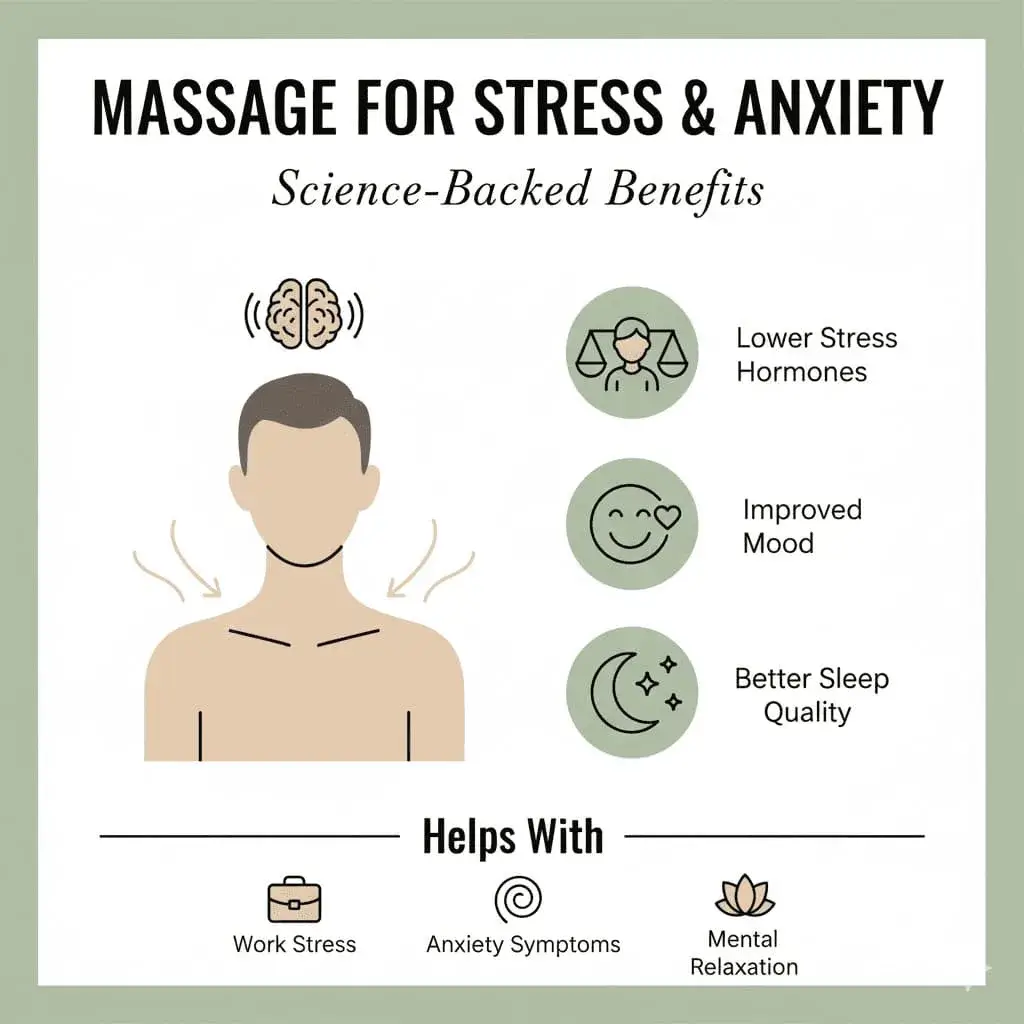
Massage for Stress & Anxiety: Science-Backed Benefits
Discover how massage therapy reduces stress and anxiety through proven mechanisms. Best massage types for relief and what clinical research shows.
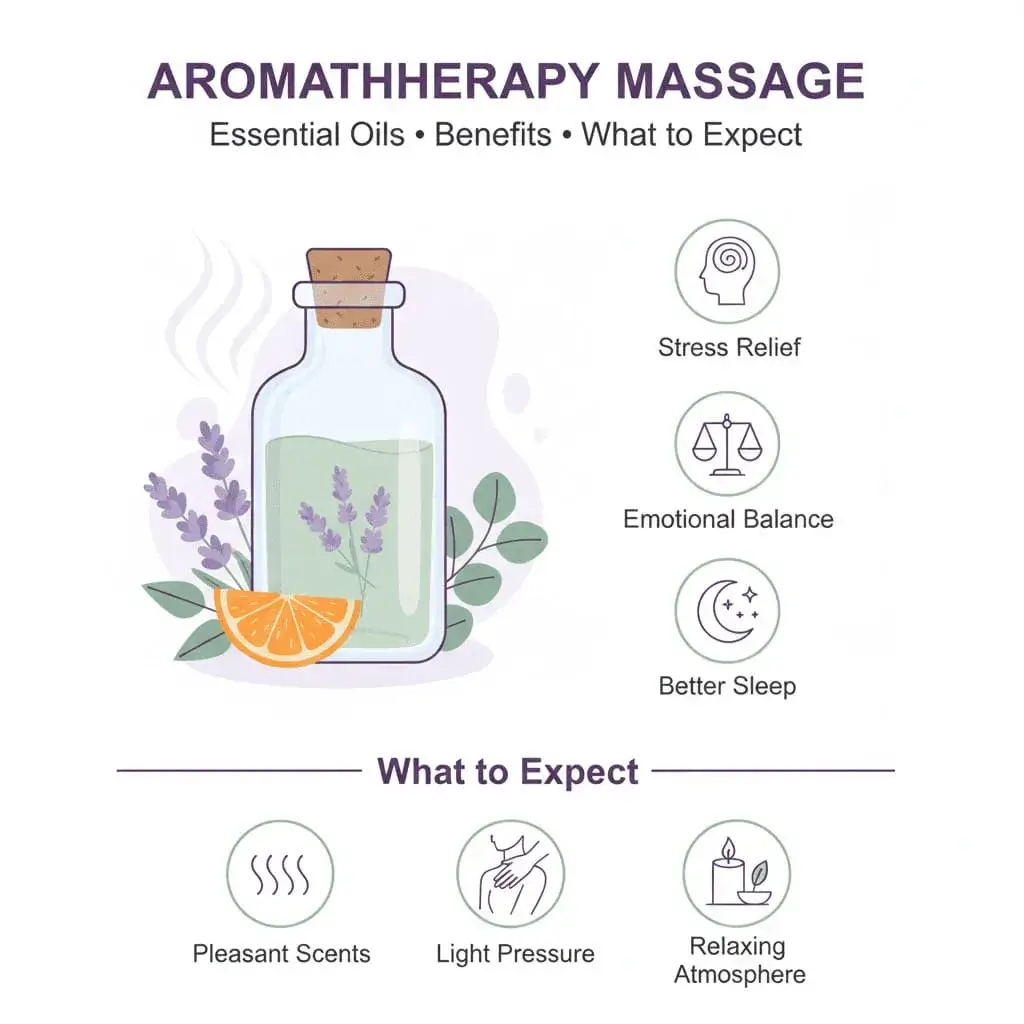
Aromatherapy Massage at Home: Benefits and What to Expect
Aromatherapy massage pairs relaxing strokes with essential oils chosen for your needs. On our menu it is a 60-minute home session. See oils and benefits.
Massage Services in Other Cities

Professional Home Massage in Mumbai
Professional home massage in Mumbai. {{therapist_count}}+ verified therapists, same-day booking, 40+ areas covered. Swedish, deep tissue & Thai massage. Book now.

Professional Home Massage in Bangalore
Professional home massage in Bangalore. {{therapist_count}}+ verified therapists, same-day booking across 50+ areas. Koramangala, Whitefield, HSR Layout. Book now.

Professional Home Massage in Delhi NCR
Professional home massage in Delhi NCR. {{therapist_count}}+ verified therapists offering same-day booking across 50+ areas including Gurgaon, Noida, and CP. Book now.
Professional Home Massage in Pune
Professional home massage in Pune. {{therapist_count}}+ verified therapists offering same-day booking across 40+ areas. Koregaon Park, Baner, Hinjewadi. Book now.