
What Does a Massage Do to Your Body? Science-Backed Guide
Understanding the real changes happening beneath your skin
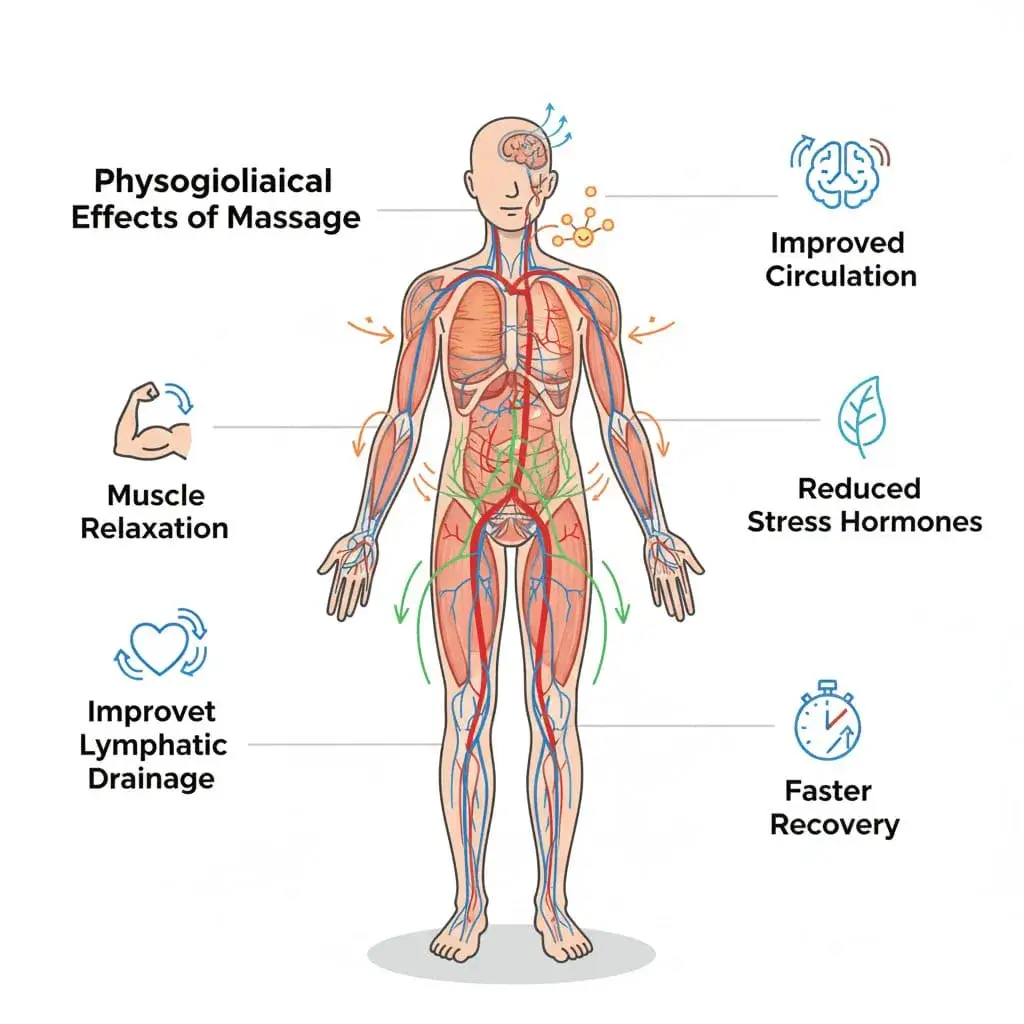
You know massage feels good. But have you ever wondered what's actually happening inside your body while those hands work on your muscles? It's not magic - there's real science behind why you walk out feeling like a different person after a full body massage session.
The moment pressure is applied to your skin, a cascade of measurable changes begins. Your muscles respond, your blood flow shifts, your brain releases different chemicals, and your nervous system switches gears. Understanding these changes helps explain why massage isn't just a luxury - it's a legitimate tool for stress relief, pain management, and physical wellbeing.
What Happens the Moment Massage Begins
Body Systems Affected by Massage
Muscles
Tension releases, knots soften, flexibility improves
Circulation
Blood flow to massaged areas increases, better oxygen delivery - ideal for athletes
Brain Chemistry
Stress hormones ease, mood chemicals get support - why massage helps sleep
Nervous System
Shifts from fight-or-flight to rest - stress relief begins
Within seconds of a therapist's hands touching your body, things start changing. Your skin has millions of sensory receptors, and they immediately start sending signals to your brain. "Something is happening here - pay attention." This is true whether you're receiving Swedish massage, deep tissue therapy, or Ayurvedic treatments.
These receptors are pressure sensors in the skin (scientists call them mechanoreceptors). They detect pressure, stretch, and movement. When massage activates them, they trigger a chain reaction that affects everything from your muscle tone to your heart rate. Understanding what to expect during a session can help you relax faster.
The First 5-10 Minutes
- Skin temperature rises - Blood vessels near the surface dilate, bringing warmth to the area (especially noticeable with warm oil massage)
- Breathing slows - Your body starts shifting from alert mode to relaxation mode
- Heart rate drops slightly - A sign your nervous system is responding
- Muscle tone begins decreasing - The tight spots start to soften, particularly in tension-prone areas like the back
What Massage Does to Your Muscles
This is probably what you think about when you imagine massage - working on tight, knotted muscles. But what's actually happening at the tissue level? Whether it's chronic back tension or post-workout soreness, the process is similar.
Breaking Down Muscle Tension
Muscle "knots" (technically called trigger points) are areas where muscle fibers are stuck in a contracted state. They form when muscles are overworked, held in awkward positions for too long (common for IT professionals), or stressed. When a therapist applies sustained pressure to these points, several things happen:
- Blood flow increases - The pressure pushes blood out of the congested area, and fresh blood rushes in when pressure releases
- Oxygen delivery improves - Fresh blood brings oxygen that the contracted fibers desperately need
- Waste products clear - Lactic acid and other metabolic waste get flushed away (crucial for athletic recovery)
- Neural signals reset - The nervous system stops sending "contract" signals to that area
Think of it like squeezing a dirty sponge. The pressure pushes out the stale, waste-filled fluid, and when you release, clean fluid rushes in. That's essentially what's happening in your muscle tissue during any type of massage therapy.
Fascia Release
Your muscles are wrapped in a thin, web-like tissue called fascia. When you're stressed or inactive, fascia can become sticky and restrict movement. Massage helps break up these adhesions, which is why you often feel more flexible after a session. Thai massage is particularly effective for fascial release due to its stretching components.
How Massage Affects Your Blood and Lymph Flow
One of the most immediate and noticeable effects of massage is on circulation. Blood flow to massaged areas increases during a session. This is particularly beneficial for athletic recovery and post-workout soreness.
Blood Circulation Changes
Massage strokes - especially those moving toward the heart - physically push blood through your vessels. At the same time, the pressure causes blood vessels to dilate (widen), allowing more blood to flow through. This is why massaged areas often look slightly pink or flushed. Swedish massage specifically uses long strokes designed to optimize this circulation effect.
Better blood flow means:
- ✓More oxygen reaches your tissues
- ✓More nutrients are delivered to cells
- ✓Waste products are carried away faster
- ✓Tissue healing is supported (why athletes use massage for recovery)
Lymphatic System Support
Your lymphatic system is like your body's waste removal service. Unlike blood, which has the heart to pump it, lymph fluid relies on muscle movement to flow. When you're sedentary - common among IT professionals - lymph can become sluggish.
Massage physically moves lymph fluid through your lymph vessels. This helps clear metabolic waste, can reduce puffiness (especially if you retain water), and may support your immune system, since lymph nodes filter harmful substances - though research here is still mixed. Swedish massage uses specific strokes designed to support lymphatic drainage.
The Nervous System Shift
This might be the most important effect of massage - and the one least visible. Your nervous system has two main modes: an alert mode (often called fight-or-flight) and a rest mode (rest-and-digest). Modern life keeps most of us stuck in alert mode far too often. Peak hour traffic, back-to-back meetings, festive season deadlines - your body stays alert even when there's no actual threat. This is why massage for stress and anxiety has become essential for many urban professionals.
Massage triggers a shift into the body's rest mode. This is measurable through:
- Decreased heart rate - Your heart doesn't need to pump as fast
- Lowered blood pressure - Blood vessels relax and widen
- Slower breathing - Deep, abdominal breathing replaces shallow chest breathing (particularly enhanced with aromatherapy massage)
- Reduced muscle tension - Your body stops bracing for threats
- Improved digestion - Blood flow redirects to digestive organs
Why This Matters for Stress
When you're chronically stressed - whether from project deadlines, family responsibilities, or navigating two hours of daily commute - your body stays in alert mode too long. Cortisol (the main stress hormone) stays elevated, your muscles stay tense, and your body doesn't get the downtime it needs to repair and restore. Massage essentially forces a reset. Ayurvedic massage traditions have understood this mind-body connection for centuries.
This explains why massage helps with issues that seem unrelated to muscles - like sleep problems, anxiety, or digestive issues. It's all connected through your nervous system.
What Changes in Your Brain
The "massage high" you feel isn't just psychological - it reflects real chemical changes in your brain. Research has identified several shifts in brain chemicals that occur during massage, which is why regular sessions can help with chronic stress management:
Hormones That Decrease
- Cortisol - The primary stress hormone tends to drop after a session, though the amount varies from person to person
- Adrenaline (epinephrine) - The "alert" hormone decreases
- Norepinephrine - Another stress-related hormone reduces
Hormones That Increase
- Serotonin - The "feel good" chemical tends to rise after massage, which also helps with sleep quality
- Dopamine - Associated with pleasure and reward, also increases
- Oxytocin - The "bonding" hormone, released during safe human touch (enhanced in couples massage sessions)
- Endorphins - Natural painkillers that create a sense of wellbeing (why massage helps with chronic pain)
This chemical cocktail explains the almost euphoric feeling many people experience after massage. It's not placebo - it's your brain chemistry shifting toward a more relaxed, positive state. Both Thai massage and hot stone therapy can produce these effects through different mechanisms.
Timeline: What Happens When
Effects don't all happen at once. Here's a rough timeline of what to expect - and knowing this helps you choose the right session duration:
| Timeframe | What Happens | What You Feel |
|---|---|---|
| During (0-60 min) | Blood flow increases, nervous system shifts, muscles begin releasing | Warmth, relaxation, possibly some tenderness on tight spots |
| Immediately after | Cortisol drops, endorphins peak, blood pressure lower | Deeply relaxed, possibly drowsy, sense of wellbeing |
| 2-6 hours after | Lymphatic system clearing waste, inflammation reducing | May feel slightly tired, thirsty, or "floaty" |
| 24-48 hours after (deep tissue) | Muscle tissue recovering, flexibility improving | Mild soreness possible (especially deep tissue), then improvement |
| 3-7 days after (with regularity) | Long-term tension patterns resetting (with regular massage) | Better posture, improved sleep, less chronic tension |
Why Regular Massage Has Bigger Effects
A single massage produces real effects, but the benefits build up with regular sessions. Think of it like exercise - one workout helps, but consistent training transforms your fitness. Understanding optimal massage frequency can help you maximize these benefits.
What Changes with Regular Sessions
- ✓Baseline muscle tension decreases - Your "normal" becomes more relaxed (especially important for back pain sufferers)
- ✓Chronic tension patterns start breaking - Not just temporary relief, but lasting change
- ✓Sleep quality improves consistently - Not just one good night (learn more about massage for better sleep)
- ✓Stress resilience increases - You handle pressure better between sessions
- ✓Pain perception changes - Chronic pain can decrease over time, which is why seniors benefit from regular massage
Therapists who work with chronic pain often suggest weekly sessions at first, because closely spaced sessions build on each other instead of starting over each time. Consistency matters - and deep tissue techniques show particularly good results for chronic tension.
What Massage Doesn't Do (Myths Debunked)
Let's clear up some common misconceptions. Massage is genuinely beneficial, but it's not magic:
Myth: Massage "Releases Toxins"
You'll hear this claim a lot. The truth: massage helps move lymph fluid, which does carry metabolic waste products. But your liver and kidneys handle actual detoxification. Massage supports your body's existing waste removal - it doesn't magically pull toxins from your cells.
Myth: Massage "Boosts Your Immune System"
Research is mixed on this. Some studies show temporary increases in certain immune markers after massage, but claiming it prevents illness is a stretch. What we can say: reducing stress (which massage does) generally supports immune function, since chronic stress suppresses immunity.
Myth: Harder Is Always Better
More pressure doesn't equal more benefit. In fact, if the pressure is so intense that you're tensing against it, you're actually working against the massage. Effective pressure should feel like productive discomfort - not pain that makes you hold your breath. Understanding the difference between Swedish and deep tissue helps you choose appropriately.
Frequently Asked Questions
Why do I feel tired after a massage?
Is it normal to feel emotional during or after massage?
Why do I sometimes feel worse the day after massage?
Does massage burn calories?
Can massage help with headaches?
Why does my stomach gurgle during massage?
The Bottom Line
Massage isn't just about feeling good in the moment (though that's certainly part of it). When hands apply pressure to your body, you're triggering a cascade of measurable, science-backed changes: muscles release, circulation improves, stress hormones drop, and feel-good chemicals rise. Whether you choose Swedish for relaxation or deep tissue for chronic tension, these effects are consistent.
Understanding this helps explain why massage can affect things that seem unrelated to muscles - like sleep quality, mood, and stress levels. It's all connected through your body's systems, and massage touches all of them.
Related Articles
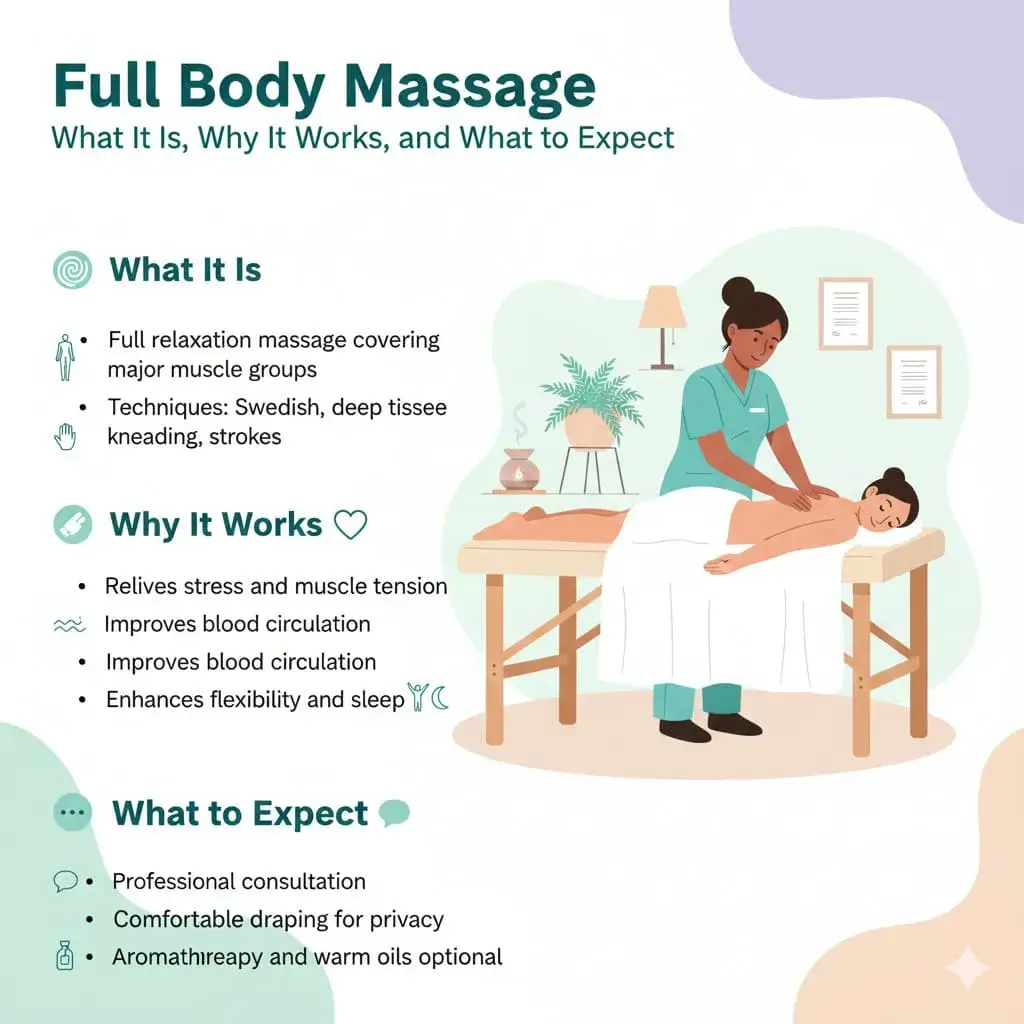
Full Body Massage: What It Is, Why It Works, and What to Expect
What is full body massage? Learn the benefits, best types for your needs, and what to expect. Expert tips from trained therapists for your session.
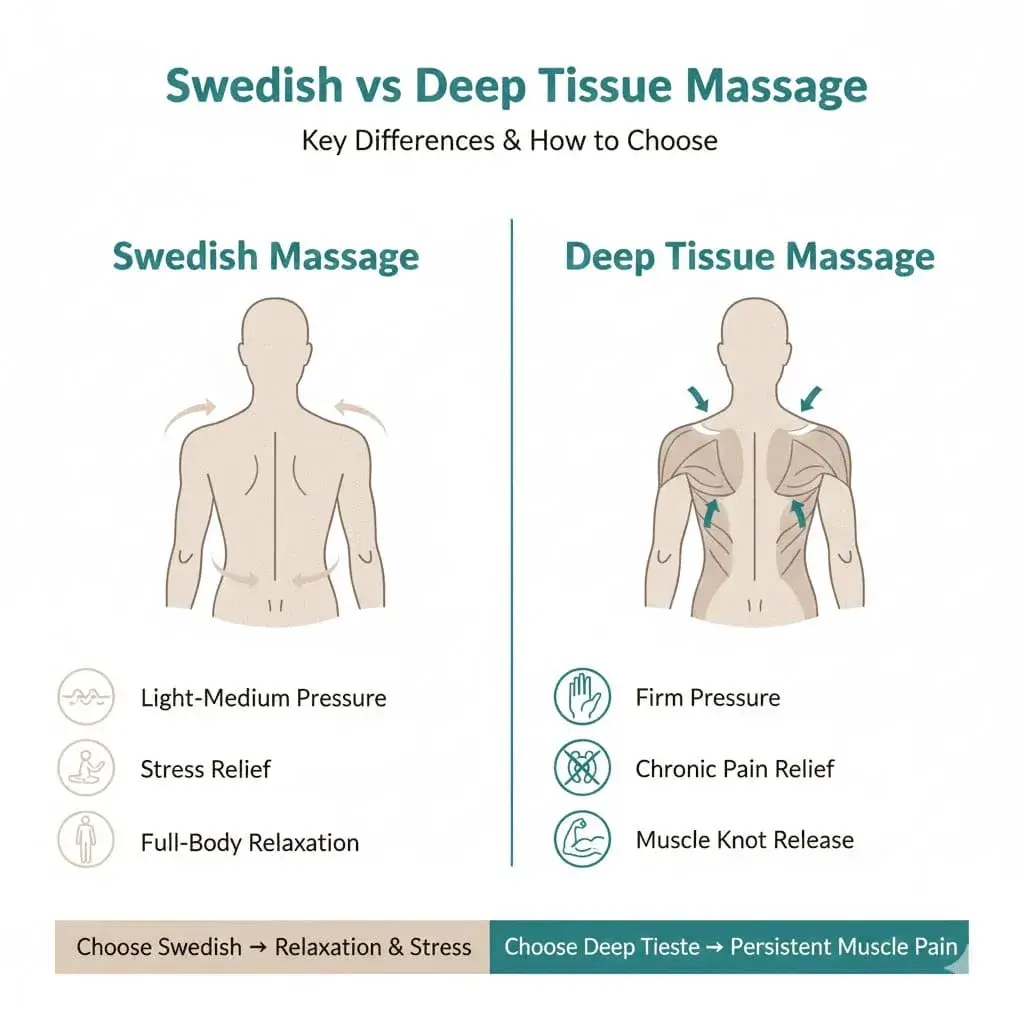
Swedish Massage vs Deep Tissue: Which Is Right for You?
Compare Swedish and deep tissue massage: pressure, techniques, benefits, and who each is best for. Find out which massage type matches your needs.
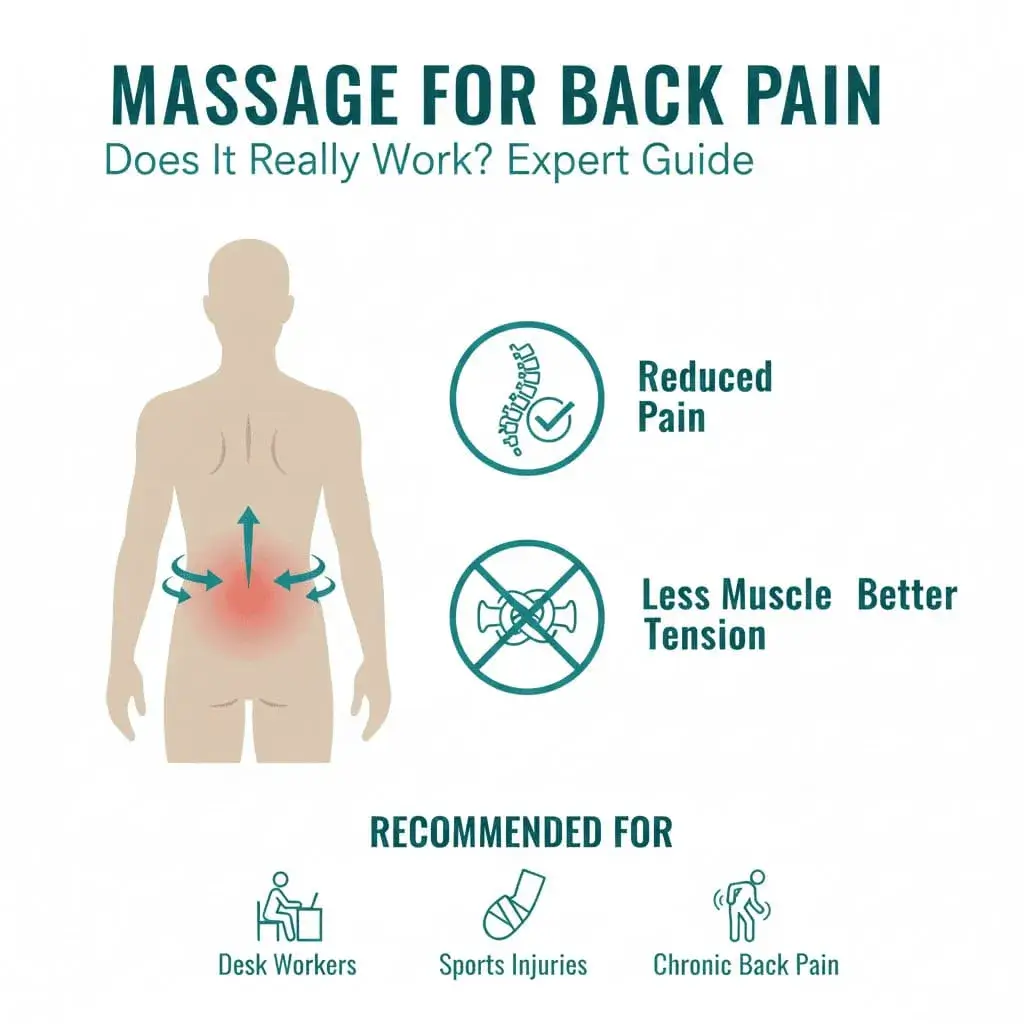
Back Pain Massage at Home: What Works, What to Expect
Yes, massage helps most muscle-related back pain - research agrees. See which massage works, what a home session looks like, and when to see a doctor.
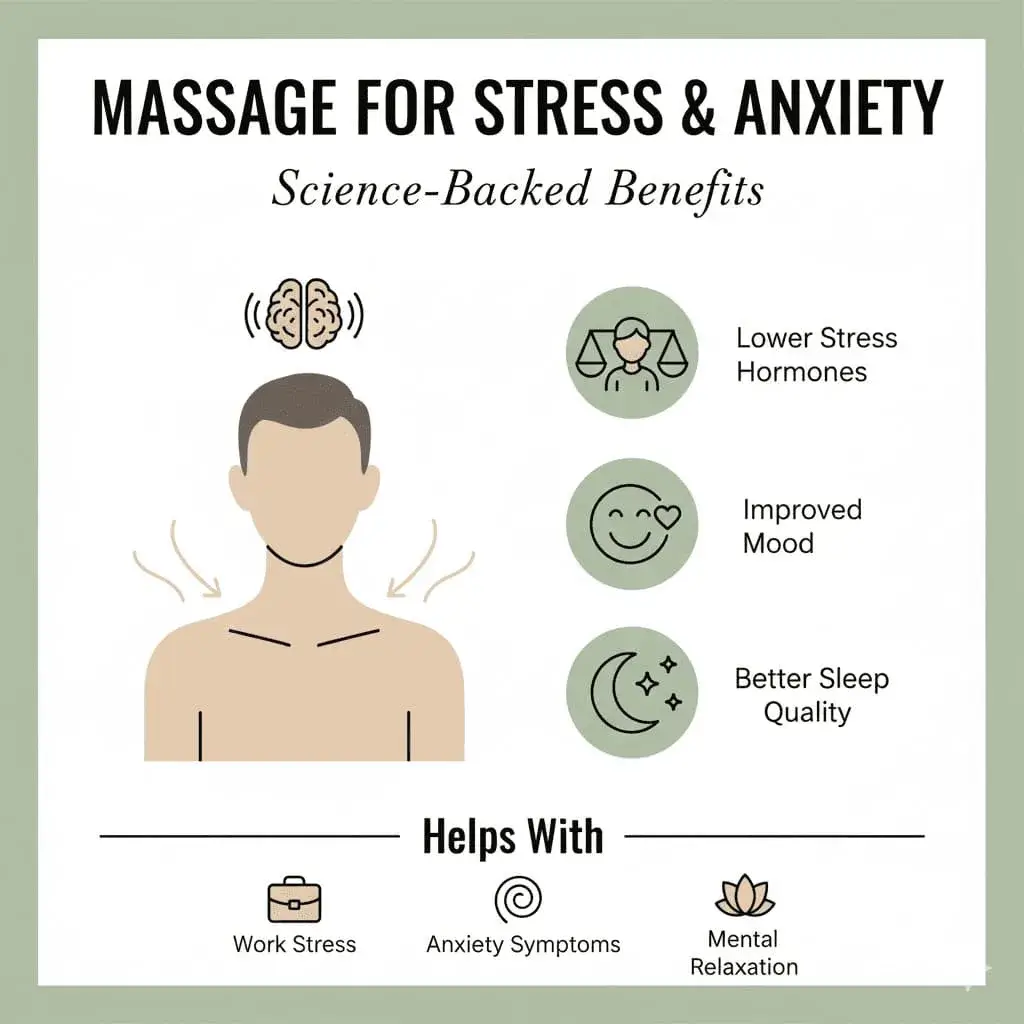
Massage for Stress & Anxiety: Science-Backed Benefits
Discover how massage therapy reduces stress and anxiety through proven mechanisms. Best massage types for relief and what clinical research shows.
Massage Services in Other Cities

Professional Home Massage in Mumbai
Professional home massage in Mumbai. {{therapist_count}}+ verified therapists, same-day booking, 40+ areas covered. Swedish, deep tissue & Thai massage. Book now.

Professional Home Massage in Bangalore
Professional home massage in Bangalore. {{therapist_count}}+ verified therapists, same-day booking across 50+ areas. Koramangala, Whitefield, HSR Layout. Book now.

Professional Home Massage in Delhi NCR
Professional home massage in Delhi NCR. {{therapist_count}}+ verified therapists offering same-day booking across 50+ areas including Gurgaon, Noida, and CP. Book now.

Professional Home Massage in Pune
Professional home massage in Pune. {{therapist_count}}+ verified therapists offering same-day booking across 40+ areas. Koregaon Park, Baner, Hinjewadi. Book now.