
Deep Tissue Massage at Home: Benefits, Price, What to Expect
Your Complete Guide to Intense Therapeutic Massage
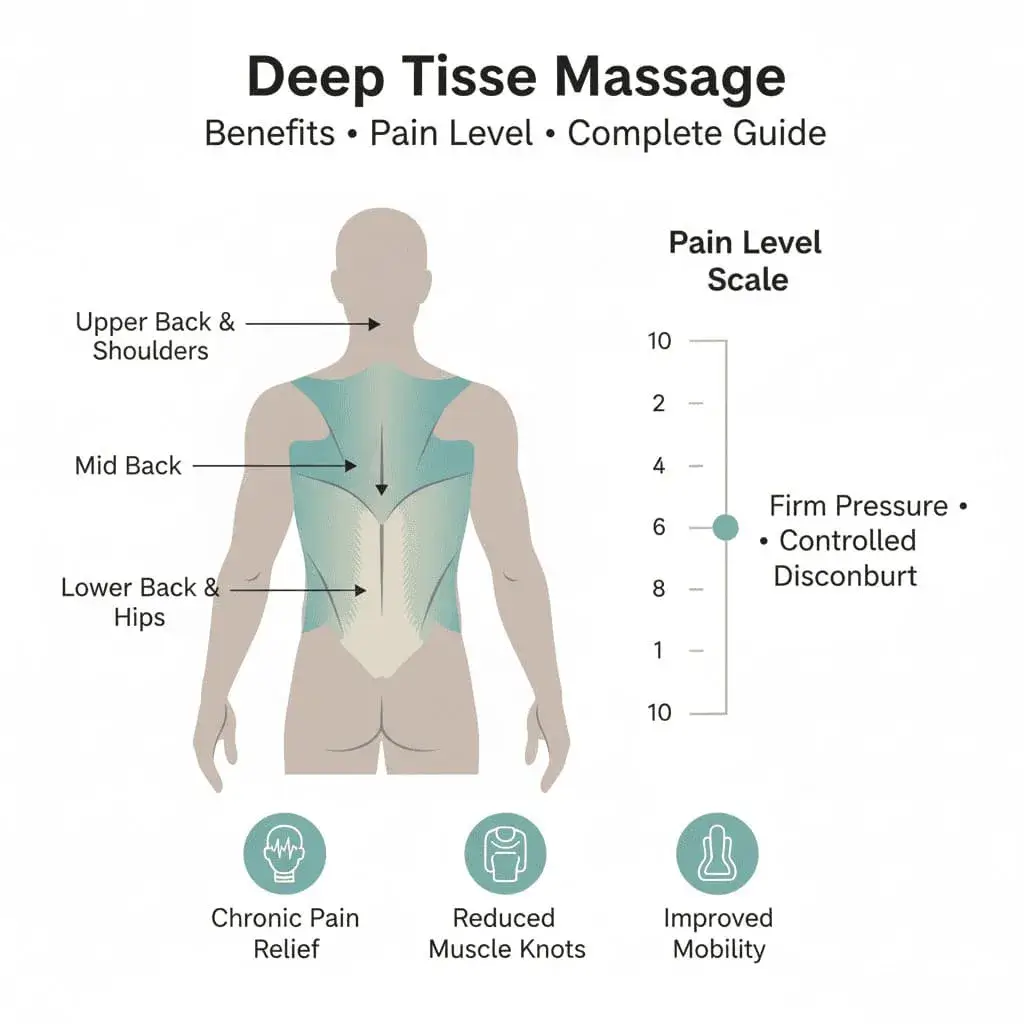
"Is it supposed to hurt?" That's probably the most common question people have about deep tissue massage. The short answer: it shouldn't hurt, but it won't feel like a gentle spa treatment either. Deep tissue massage occupies a unique space, intense enough to reach stubborn tension, controlled enough to promote healing rather than cause harm.
If you've tried lighter massage styles like Swedish without lasting relief, or you're dealing with chronic tension that seems to live in your muscles permanently, deep tissue massage might be what you need. But it's not for everyone, and understanding what you're getting into makes all the difference between a breakthrough session and an uncomfortable experience.
What Exactly Is Deep Tissue Massage?
Deep tissue massage is a technique that targets the deeper layers of muscle and the fascia (the thin wrapping around muscles) surrounding them. How does this actually work? While Swedish massage works primarily on the surface muscle layers with flowing strokes, deep tissue massage uses slower, more deliberate pressure to reach tissue that lies beneath.
The "deep" in deep tissue refers to the layers being addressed, not necessarily to extreme pressure. A skilled therapist can access deep tissues with moderate, sustained pressure rather than brute force. The goal is to break up adhesions (stuck, hardened spots in the tissue), release chronic tension patterns, and restore normal movement to areas that have become restricted.
On our menu, deep tissue is a 90-minute home session - the longer duration is deliberate, because muscles must be warmed up before deep pressure. You can check the exact price for your city on the live price list.
How Deep Tissue Differs from Other Massage Types
Understanding how deep tissue compares to other styles helps you choose the right approach for your needs. For a comprehensive Swedish vs Deep Tissue comparison, check out our detailed guide:
| Type | Primary Focus | Pressure Level | Best For |
|---|---|---|---|
| Swedish | Relaxation, circulation | Light to moderate | Stress relief, first-time massage |
| Deep Tissue | Chronic tension, adhesions | Moderate to firm | Stubborn knots, chronic pain |
| Sports Massage | Athletic performance, recovery | Variable | Athletes, active individuals |
| Trigger Point | Specific pain points | Focused, firm | Referred pain patterns |
| Thai Massage | Flexibility, energy flow | Moderate with stretching | Flexibility, full-body work |
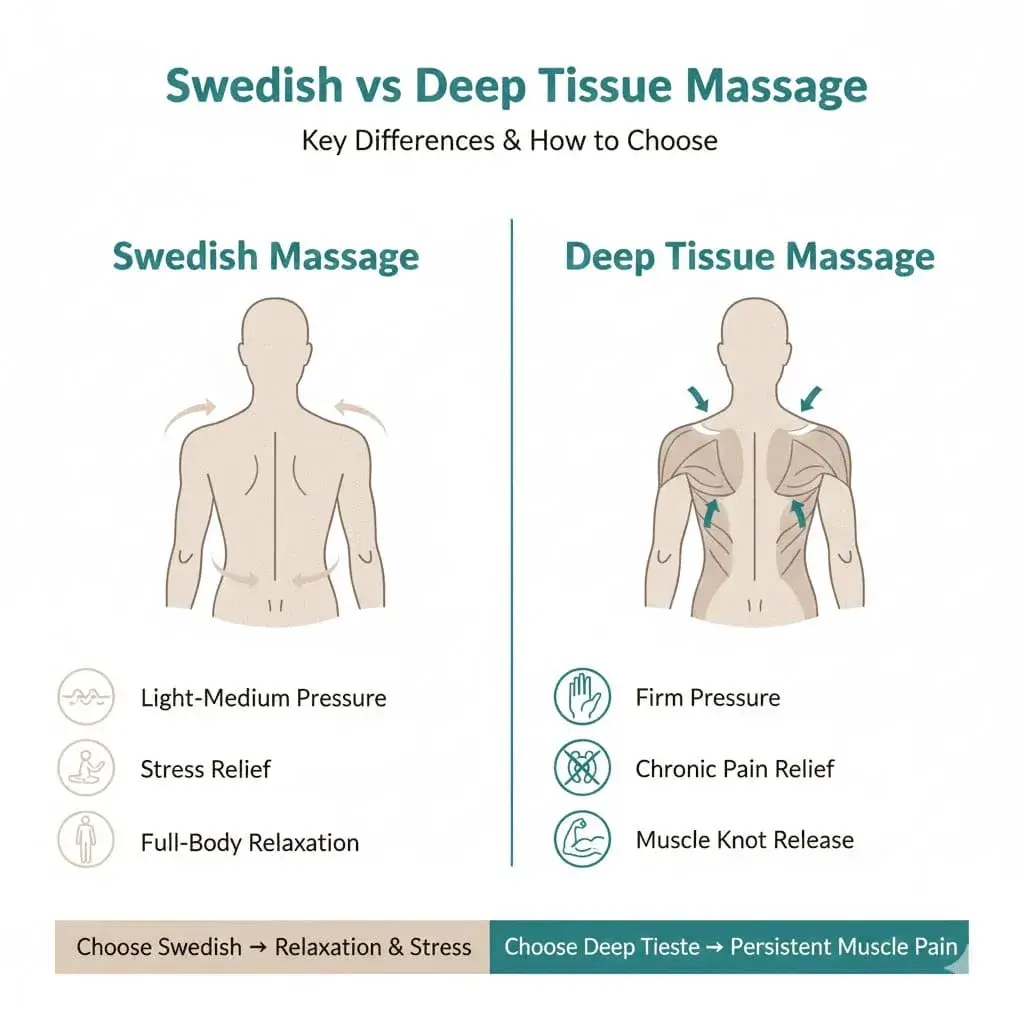
In short: Swedish is lighter and relaxation-focused, while deep tissue is slower and firmer. Our Swedish vs deep tissue guide compares pressure, technique, and results side by side to help you pick.
Deep Tissue vs. Trigger Point Therapy
These two approaches overlap significantly. Trigger point therapy focuses specifically on hyperirritable spots in muscles that cause local and referred pain. Deep tissue massage often incorporates trigger point work but takes a more comprehensive approach to the entire muscle and surrounding fascia.
The Real Benefits of Deep Tissue Massage
Deep tissue massage isn't just about intense sensation; it produces measurable changes in your body. Here's what research and clinical experience show it can do:
1. Chronic Pain Relief
For people living with persistent pain, especially in the back, neck, and shoulders, deep tissue massage can provide significant relief. It works by releasing the chronic muscle tension that often underlies or worsens pain conditions.
Research published in the Journal of Alternative and Complementary Medicine (Romanowski et al., 2012) found that deep tissue massage significantly reduced pain in patients with chronic low back pain after just 10 sessions, with effects lasting beyond the treatment period.
2. Breaking Up Scar Tissue and Adhesions
When muscles heal from injury or stay contracted for long periods, they can develop adhesions, areas where tissue fibers stick together abnormally. These adhesions restrict movement and can cause ongoing pain. Deep tissue techniques physically break apart these stuck fibers, restoring normal tissue mobility.
3. Improved Range of Motion
Tight muscles and restricted fascia limit how far you can move. After deep tissue work targeting these restrictions, many people notice they can turn their head further, bend more easily, or reach higher than before. This improved mobility often persists with regular treatment.
4. Faster Recovery from Muscle Strain
Whether from exercise, physical labor, or poor posture, strained muscles benefit from deep tissue massage. The increased blood flow helps tired muscles recover and eases lingering stiffness.
5. Stress and Tension Reduction
While deep tissue massage is more intense than relaxation massage, it still activates your body's relaxation response. Research suggests cortisol (the stress hormone) decreases while feel-good brain chemicals increase, supporting stress relief. Many people feel profoundly relaxed after their body adjusts to the treatment, sometimes more so than after gentler massage.
The Pain Question: What Deep Tissue Actually Feels Like
Let's address the elephant in the room: the discomfort factor. Deep tissue massage involves sensations that lighter massage doesn't, and being prepared helps you get the most from your session.
"Good Pain" vs. "Bad Pain"
Experienced massage clients often describe a "good pain" or "hurts so good" sensation during deep tissue work. This feels like intense pressure on a sore spot that you know needs attention, uncomfortable but somehow satisfying. You can breathe through it, and you sense it's helping your muscles release.
"Bad pain" is different: sharp, burning, or nerve-like sensations that make you tense up and hold your breath. This indicates too much pressure or work on sensitive structures that shouldn't be pressed. If you experience this, speak up immediately. A good therapist wants to know.
- Good pain: Dull, achy pressure on a tight spot; you can breathe through it
- Good pain: Sensation of a knot releasing; temporary discomfort giving way to relief
- Bad pain: Sharp, stabbing, or electrical sensations
- Bad pain: Causes you to tense up or hold your breath
- Bad pain: Persists or worsens as pressure continues
The Pain Scale
Many therapists use a 1-10 pain scale during deep tissue work. They'll ask you to rate the intensity, with 1 being barely noticeable and 10 being unbearable. Most effective deep tissue work happens in the 5-7 range, noticeable and intense, but manageable. Anything above 7 is usually counterproductive.
Why Tolerating Excessive Pain Backfires
Some people think they should "tough it out" during deep tissue massage, that more pain means more benefit. This is wrong and actually counterproductive. When pressure exceeds your tolerance, your muscles tense up to protect themselves, which defeats the entire purpose of the massage.
Your body also has a stress response to excessive pain, releasing cortisol and adrenaline rather than the relaxation hormones that support healing. The sweet spot is firm enough to affect deep tissues but not so intense that your body fights the treatment.
Who Benefits Most from Deep Tissue Massage?
Deep tissue massage works well for specific situations. Consider it if you fall into any of these categories:
People with Chronic Muscle Tension
If you have areas that are always tight, regardless of stretching, exercise, or lighter massage, deep tissue work may finally reach them. Chronic tension often involves deeper muscle layers and fascial restrictions that don't respond to surface-level treatment.
Those Recovering from Injuries
After the acute phase of an injury passes, deep tissue massage helps break up the scar tissue that forms during healing. This is important because scar tissue is less elastic than normal tissue and can limit movement or cause ongoing pain if not addressed.
Athletes and Active Individuals
Regular intense physical activity creates cumulative tension and minor tissue damage. Deep tissue massage helps clear this accumulation, maintaining muscle health and preventing minor issues from becoming injuries. Post-workout recovery with deep tissue is considered essential maintenance by athletes.
Desk Workers with Postural Issues
For IT professionals and desk workers, hours of sitting create characteristic tension patterns: tight hip flexors, shortened chest muscles, overworked upper back. These patterns become deeply ingrained over time and often require the more intensive approach of deep tissue massage to release.
People Who Haven't Found Relief Elsewhere
If you've tried Swedish massage, stretching, and other approaches without lasting improvement, deep tissue massage might reach what others couldn't. Sometimes you need more focused, intensive work to make a breakthrough.
Who Should Avoid or Modify Deep Tissue Massage
Deep tissue massage isn't appropriate for everyone or every situation. Avoid or consult your doctor before receiving deep tissue work if you have:
- Blood clotting disorders or taking blood thinners
- Recent surgery in the treatment area
- Osteoporosis or bone conditions
- Skin conditions, rashes, or open wounds
- Cancer (requires medical clearance and modified approach)
- Pregnancy (certain areas must be avoided; gentler pressure appropriate)
- Acute injuries with inflammation (wait until acute phase passes)
- Severe nerve conditions
What to Expect: Before, During, and After
Knowing what happens throughout the process helps you prepare mentally and physically for your session.
Before Your Session
- Hydrate well in the hours leading up to your appointment
- Avoid heavy meals; eat lightly 1-2 hours before
- Avoid alcohol; it affects how your body responds to massage
- Prepare to discuss your health history and current issues (see our massage etiquette guide)
- Identify specific problem areas you want addressed; clear communication helps
- Wear or bring comfortable clothing for after
During the Session
Your therapist will start with warming techniques to prepare your muscles. This isn't wasted time but essential preparation that allows deeper work to be more effective and comfortable. As they progress to deeper pressure, maintain communication about intensity levels.
Breathe deeply and consciously. When you hit a particularly intense spot, the instinct is to hold your breath. Instead, breathe slowly through the discomfort; it helps muscles release and makes the sensation more manageable. Your therapist may remind you to breathe.
Don't be surprised if your therapist spends significant time on one area. Deep tissue work requires patience; rushing defeats the purpose. A 60-minute deep tissue session might cover less territory than a 60-minute Swedish massage, but the work goes much deeper.
After the Session
- Drink plenty of water over the next 24-48 hours
- Expect mild soreness similar to post-workout feeling
- Some bruising is possible, though not common with skilled therapists
- Avoid intense exercise for 24 hours
- A warm bath or shower can help if you feel sore
- Note improvements in pain levels and movement over the following days
Post-Massage Soreness: What's Normal
Many people experience soreness after deep tissue massage, especially after their first session or if significant work was done. Understanding what's normal helps you avoid unnecessary worry.
Normal Post-Massage Experiences
- Muscle tenderness for 24-72 hours (like post-exercise soreness)
- Feeling tired or slightly foggy initially; your body is working to heal
- Mild headache if significant neck/shoulder work was done
- Feeling emotionally sensitive (physical release can affect emotions)
Signs Something May Be Wrong
- Severe pain that gets worse rather than better
- Significant bruising covering large areas
- Numbness or tingling that persists
- Swelling in treated areas
- Soreness lasting more than 72 hours without improvement
If you experience concerning symptoms, contact your therapist and consult a healthcare provider if needed. These issues are uncommon with qualified therapists using appropriate techniques.
How Often Should You Get Deep Tissue Massage?
The ideal frequency depends on what you're trying to achieve and how your body responds:
| Goal | Initial Phase | Maintenance Phase |
|---|---|---|
| Chronic pain management | Weekly for 4-8 weeks | Every 2-4 weeks |
| Breaking up scar tissue | Weekly for 6-10 weeks | Monthly or as needed |
| Athletic maintenance | Weekly during training | Every 1-2 weeks |
| Postural correction | Every 1-2 weeks | Monthly |
| General tension management | Every 2 weeks | Monthly |
| Occasional tune-up | As needed | Every 4-6 weeks |
More frequent sessions typically produce faster results, but your body needs time to adapt and heal between sessions. Going too often, especially initially, can leave you perpetually sore without allowing tissues to fully recover and integrate the changes.
Tips for Getting the Best Deep Tissue Experience
- Find a qualified therapist: Look for specific training in deep tissue techniques; experience matters for safety
- Communicate throughout: Speak up the moment something feels wrong; don't try to be "tough"
- Prepare your body: Hydrate well beforehand; avoid caffeine and alcohol before sessions
- Support your results: Stretch the areas worked over following days; avoid intense activity immediately after
- Be patient with the process: Chronic issues took time to develop and take time to resolve
Frequently Asked Questions
Is deep tissue massage supposed to hurt?
Why am I sore after deep tissue massage?
Can deep tissue massage release emotions?
How deep is "deep tissue"?
Should I exercise after deep tissue massage?
Is deep tissue massage safe during pregnancy?
How is deep tissue different from sports massage?
What if deep tissue massage doesn't help my pain?
Making the Decision
Deep tissue massage isn't a magic solution, but for the right situations, it offers something lighter approaches can't match. If chronic tension, stubborn knots, or deep-seated muscle issues have resisted other treatments, the focused intensity of deep tissue work might be exactly what your body needs.
The key is approaching it with realistic expectations. Effective deep tissue massage is intense but not brutal, uncomfortable at times but not agonizing. With a skilled therapist and good communication, it can address problems that nothing else seems to touch.
If you're considering deep tissue massage, start with an open conversation with a qualified therapist about your specific issues. They can help you determine whether deep tissue is right for you, and if so, how to structure treatment for the best results. Your muscles have been carrying tension for a long time. With the right approach, they can finally let it go.
Related Articles
Swedish Massage vs Deep Tissue: Which Is Right for You?
Compare Swedish and deep tissue massage: pressure, techniques, benefits, and who each is best for. Find out which massage type matches your needs.
What Does a Massage Do to Your Body? Science-Backed Guide
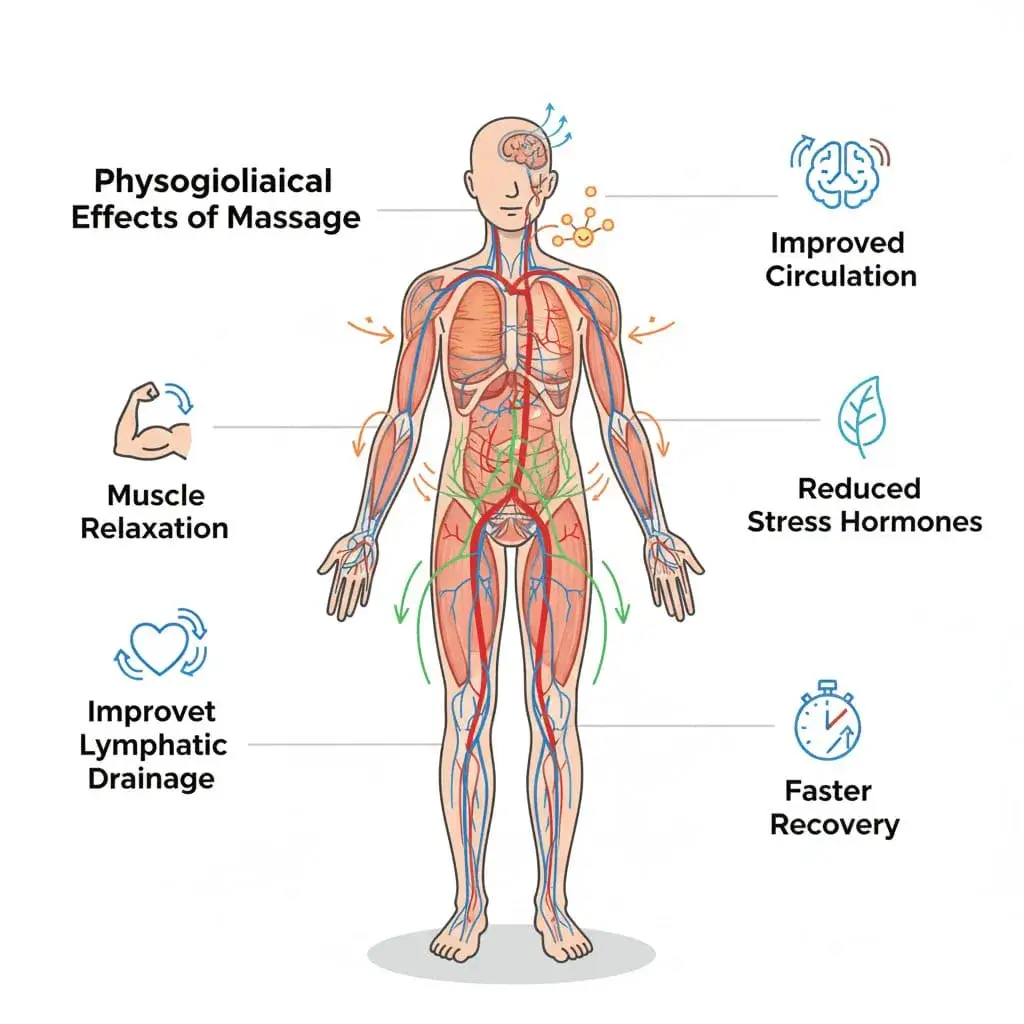
Discover what actually happens inside your body during a massage. From muscle changes to brain chemistry shifts - the science explained simply.
Sports Massage Benefits: Recovery for Gym-Goers in India
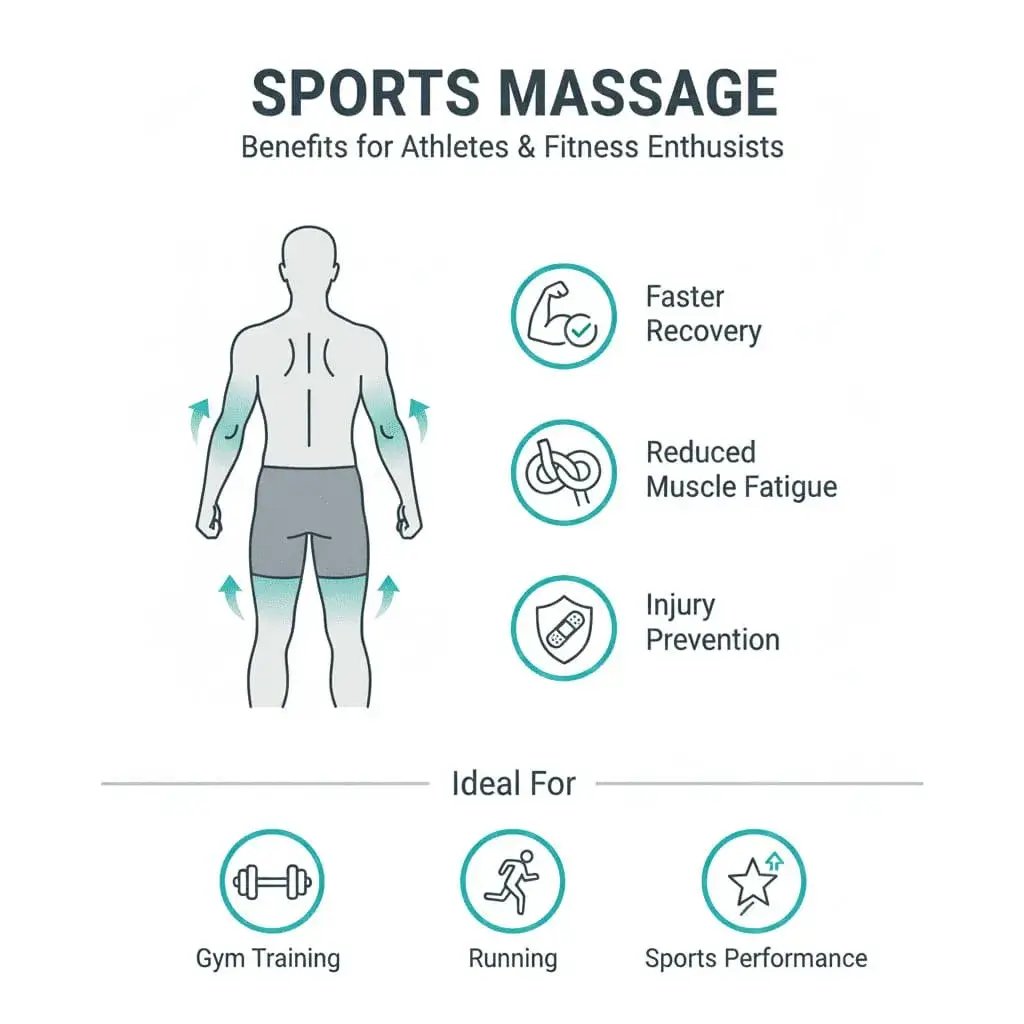
How sports massage speeds recovery after the gym or a run, when to book it, and how the 75-minute home session on our menu works.
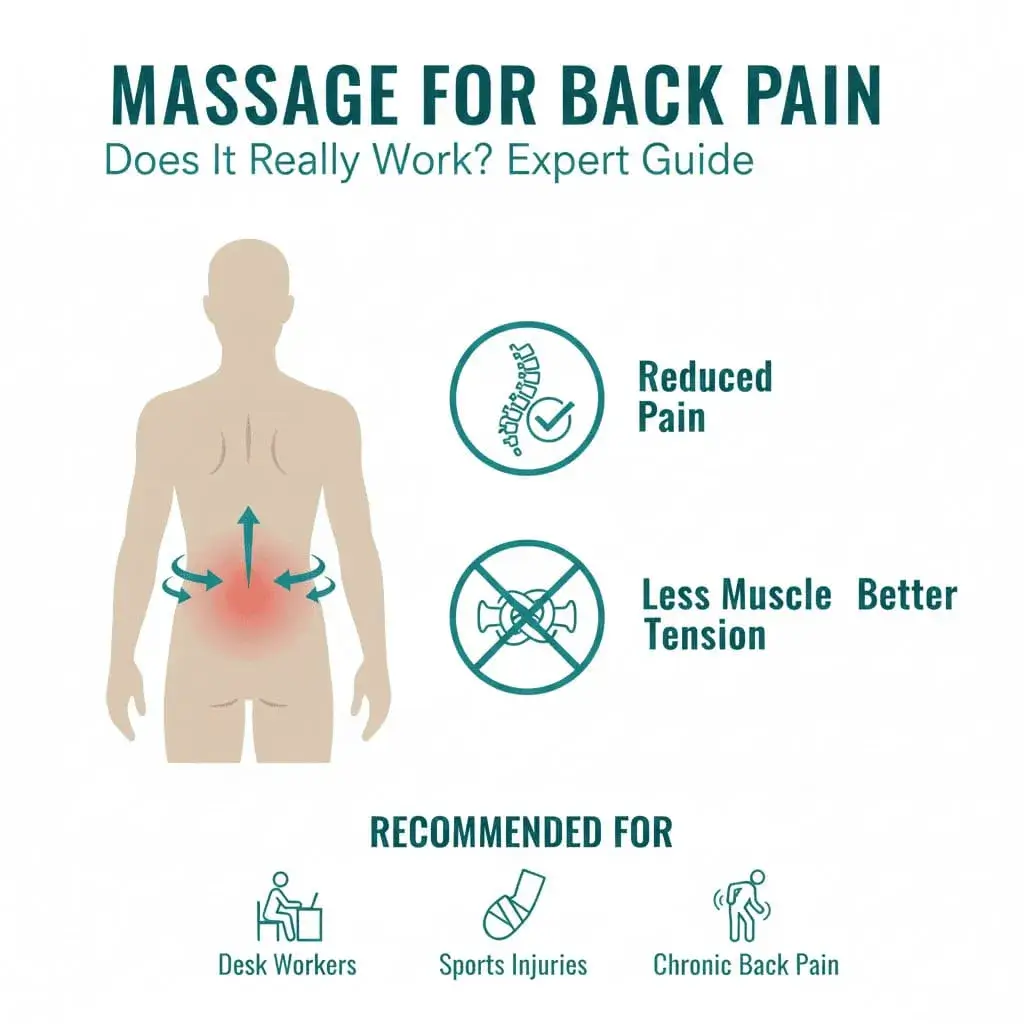
Back Pain Massage at Home: What Works, What to Expect
Yes, massage helps most muscle-related back pain - research agrees. See which massage works, what a home session looks like, and when to see a doctor.
Massage Services in Other Cities

Professional Home Massage in Mumbai
Professional home massage in Mumbai. {{therapist_count}}+ verified therapists, same-day booking, 40+ areas covered. Swedish, deep tissue & Thai massage. Book now.

Professional Home Massage in Delhi NCR
Professional home massage in Delhi NCR. {{therapist_count}}+ verified therapists offering same-day booking across 50+ areas including Gurgaon, Noida, and CP. Book now.

Professional Home Massage in Bangalore
Professional home massage in Bangalore. {{therapist_count}}+ verified therapists, same-day booking across 50+ areas. Koramangala, Whitefield, HSR Layout. Book now.

Professional Home Massage in Pune
Professional home massage in Pune. {{therapist_count}}+ verified therapists offering same-day booking across 40+ areas. Koregaon Park, Baner, Hinjewadi. Book now.