
Aromatherapy Massage at Home: Benefits and What to Expect
How scent and touch combine for deeper relaxation and wellbeing
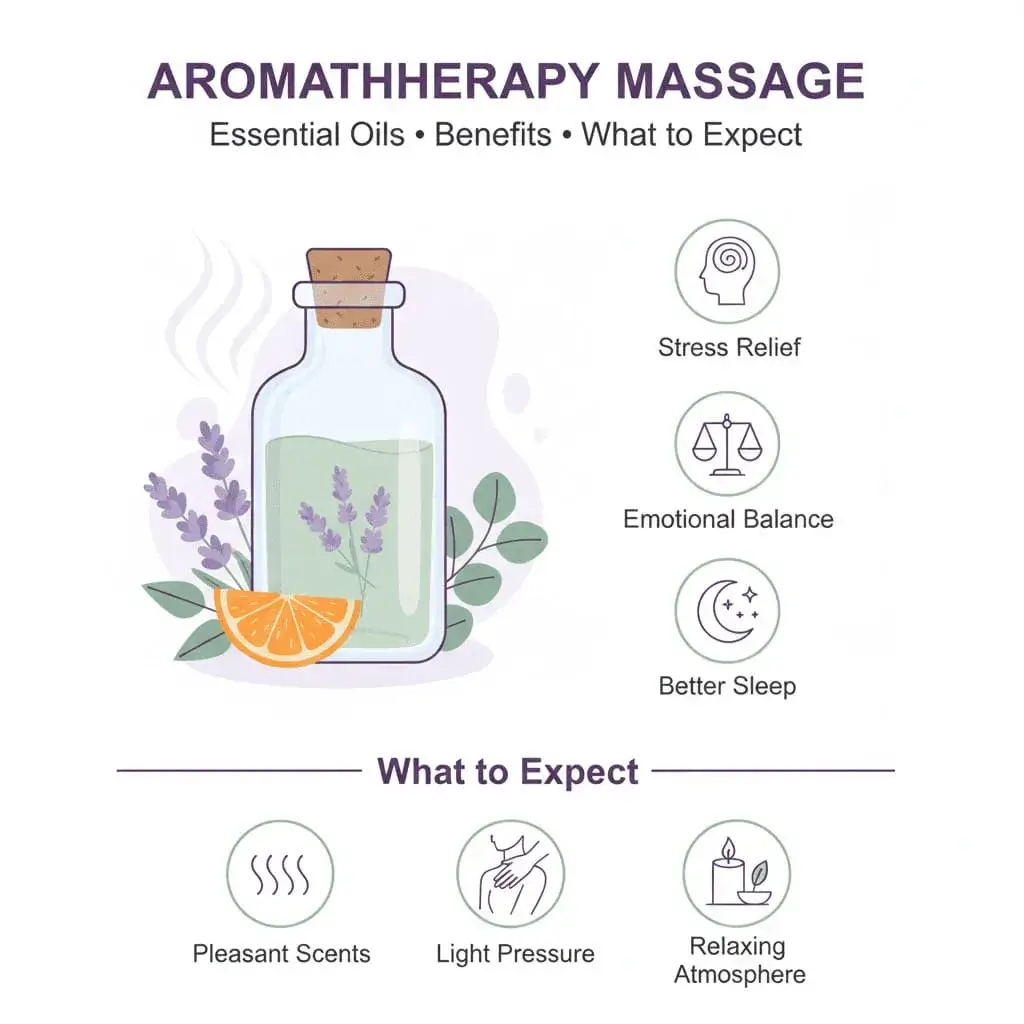
Imagine lying on a massage table, feeling the tension melt from your muscles while breathing in the calming scent of lavender, or the energizing aroma of peppermint. That's the magic of aromatherapy massage, a therapy that engages both your sense of touch and smell to create a deeply relaxing experience.
Aromatherapy massage isn't just a regular massage with nice smells added. It's a thoughtfully designed therapy where specific essential oils are selected based on your needs and blended with carrier oils to work both through your skin and your olfactory system. The result? Benefits that go beyond what either massage or aromatherapy could achieve alone.
What Is Aromatherapy Massage?
Aromatherapy massage combines Swedish or relaxation massage techniques with the therapeutic use of essential oils, concentrated plant extracts that carry the distinctive scents and properties of flowers, herbs, trees, and other botanical sources. During your session, these oils are diluted in a carrier oil and applied directly to your skin while you also inhale their aromas.
On our menu, Aromatherapy Massage is a 60-minute home service; city rates are on the live price list.
The practice has ancient roots - Egyptian, Chinese, and Indian traditions all used plant essences for healing - and it took its modern form in the early 20th century when French chemists began studying essential oils.
How Does Aromatherapy Massage Work?
Aromatherapy massage works through two main pathways: inhalation and skin absorption. Understanding both helps explain why this therapy can be so effective.
The Olfactory Pathway
When you breathe in essential oil molecules, they travel to your olfactory bulb, the part of your brain that processes smell. What makes this significant is that your olfactory bulb connects directly to your limbic system, the brain region that controls emotions, memories, and certain physiological functions like heart rate and blood pressure.
This direct connection explains why certain scents can instantly shift your mood or trigger vivid memories. It's also why inhaling specific essential oils can produce measurable changes in brain activity, stress hormones, and autonomic nervous system function.
Skin Absorption
Essential oil molecules are small enough to penetrate your skin's outer layer and enter your bloodstream. Research using blood tests has confirmed that compounds from essential oils can be detected in the blood within 20 minutes of topical application. Once absorbed, these compounds can exert effects throughout your body.
The massage itself enhances this absorption by increasing blood flow to the skin and warming the tissues. This is why aromatherapy massage tends to be more effective than simply applying oils without massage or receiving massage without the aromatic oils.
Popular Essential Oils and Their Benefits
Different essential oils offer different therapeutic properties. Here's a guide to some of the most commonly used oils in aromatherapy massage:
| Essential Oil | Primary Benefits | Best For | Scent Profile |
|---|---|---|---|
| Lavender | Calming, sleep-promoting | Stress, anxiety, sleep trouble, headaches | Floral, herbaceous, soft |
| Peppermint | Energizing, cooling, muscle relief | Mental fatigue, muscle pain, headaches | Fresh, minty, invigorating |
| Eucalyptus | Cooling, clarifying | Congestion, muscle aches, mental clarity | Clean, sharp |
| Chamomile | Deeply calming, skin-soothing | Anxiety, skin irritation, sleep issues | Sweet, apple-like, gentle |
| Bergamot | Uplifting, anxiety-reducing | Stress, low mood, tension | Citrusy, slightly floral, fresh |
| Sweet Orange | Cheerful, warming | Low mood, stress | Bright, sweet, citrusy |
Oil Combinations That Work Well Together
Therapists often blend two or three oils together - for example lavender with chamomile for sleep, or peppermint with eucalyptus for tired muscles. For more on carrier oils and how oil massage works, see the full oil massage guide.
7 Key Benefits of Aromatherapy Massage
1. Enhanced Stress and Anxiety Relief
Multiple studies have demonstrated that aromatherapy massage reduces cortisol (the stress hormone) more effectively than massage alone. A study published in the Journal of Alternative and Complementary Medicine found that participants receiving aromatherapy massage showed significantly greater reductions in anxiety compared to those receiving massage with unscented oil.
Lavender is the most studied oil for calming effects. Research suggests it helps many people relax, though the effect varies from person to person.
2. Improved Sleep Quality
If you struggle with sleep, aromatherapy massage may help. The combination of physical relaxation from massage and the sedative properties of certain essential oils creates ideal conditions for better sleep. Lavender and chamomile are particularly effective. Studies show that inhaling lavender before bed increases slow-wave (deep) sleep and leaves people feeling more refreshed in the morning.
3. Natural Pain Management
Aromatherapy massage can be particularly effective for managing chronic pain. Essential oils like peppermint and eucalyptus provide natural analgesic and anti-inflammatory effects, while the massage addresses muscle tension and improves circulation to affected areas. Research on patients with arthritis, fibromyalgia, and chronic back pain has shown meaningful reductions in pain intensity following aromatherapy massage treatments.
4. Mood Enhancement
The direct connection between your olfactory system and limbic brain means aromatherapy can influence mood quickly and effectively. Citrus oils like bergamot and sweet orange have been shown to increase serotonin activity, while ylang ylang can help regulate the nervous system. Combined with the mood-boosting effects of massage, aromatherapy massage offers a powerful natural approach to emotional wellbeing.
5. Reduced Muscle Tension and Soreness
While any massage helps with muscle tension, aromatherapy massage adds extra benefits. Oils like peppermint create a cooling sensation that helps relieve muscle pain, while rosemary and eucalyptus improve circulation to help flush out metabolic waste from tired muscles. The result is often faster recovery from exercise or physical strain.
6. Headache and Migraine Relief
Peppermint oil on the temples, combined with massage of the neck and scalp, has helped tension headaches in some studies. Lavender oil has also shown promise for migraine management in research settings.
7. Skin Nourishment
The carrier oils used in aromatherapy massage (like jojoba, sweet almond, or coconut oil) nourish and moisturize your skin, while certain essential oils offer specific skin benefits. Tea tree has antimicrobial properties, frankincense supports skin cell regeneration, and chamomile soothes irritation. You'll often notice softer, more supple skin after your session.
What to Expect During an Aromatherapy Massage Session
Before Your Session
Your session typically begins with a consultation with your therapist. Your therapist will ask about your current physical state, emotional wellbeing, any health concerns, and what you're hoping to achieve from the massage. This information helps them select the most appropriate essential oils for your needs.
You may be offered several oils to smell so you can participate in the selection. This isn't just about preference. Your body often knows what it needs, and an oil you find particularly appealing may be exactly what will benefit you most. If an oil smells unpleasant to you, that's important feedback too.
During the Massage
Once on the massage table, you'll notice the aromatic oils immediately. The room may have a diffuser running, and your therapist will apply the blended oils to your skin using flowing Swedish massage strokes. The pressure is typically light to medium; this isn't deep tissue work, but rather a relaxation-focused treatment.
A full-body aromatherapy massage usually lasts 60 to 90 minutes, covering your back, legs, arms, neck, shoulders, and sometimes your scalp and face. Throughout the session, you'll be breathing in the essential oils, allowing them to work through both absorption and inhalation pathways.
After Your Session
Don't rush to shower immediately. Leaving the oils on your skin for a few hours allows continued absorption and benefits. Drink plenty of water to support your body's natural processes. Many people feel deeply relaxed, even slightly drowsy, after aromatherapy massage, so give yourself time to ease back into your day.
Who Benefits Most from Aromatherapy Massage?
While almost anyone can enjoy aromatherapy massage, certain people tend to find it particularly beneficial:
- High-stress professionals: The dual relaxation pathways make it especially effective for unwinding
- People with anxiety or low mood: The mood-supporting effects of essential oils add therapeutic value
- Those with sleep difficulties: Evening aromatherapy massage can significantly improve sleep quality
- Chronic pain sufferers: The combined analgesic effects offer natural pain management
- Anyone feeling emotionally depleted: The sensory experience can be deeply nurturing and restorative
- Massage newcomers: The gentle pressure and pleasant scents make it a welcoming introduction to massage therapy
Safety Considerations and Contraindications
Essential oils are potent substances, and aromatherapy massage isn't appropriate for everyone. Understanding the safety considerations helps ensure a positive experience.
When to Avoid or Modify Aromatherapy Massage
- Pregnancy: Many essential oils are contraindicated during pregnancy. If you're pregnant, always inform your therapist and use only pregnancy-safe oils
- Sensitive skin or allergies: Essential oils can cause reactions in sensitive individuals. A patch test is advisable if you have reactive skin
- Epilepsy: Some oils (rosemary, eucalyptus, fennel) may trigger seizures in susceptible individuals
- High or low blood pressure: Certain oils can affect blood pressure, so inform your therapist about any cardiovascular conditions
- Asthma or respiratory conditions: Strong aromas may trigger breathing difficulties in some people
- Currently on medication: Some essential oils can interact with medications, so discuss with your healthcare provider if you take prescription drugs
How to Choose the Right Essential Oils for You
Selecting the right oils depends on what you want to achieve from your session. Here's a quick guide based on common goals:
For Stress and Relaxation
Choose calming oils like lavender, chamomile, bergamot, or ylang ylang. These oils promote parasympathetic nervous system activity, your body's 'rest and digest' mode. They're ideal for evening sessions or when you're feeling overwhelmed.
For Energy and Mental Clarity
Opt for stimulating oils like peppermint, rosemary, eucalyptus, or citrus oils. These are better suited for morning or midday sessions when you want to feel refreshed and alert rather than sleepy.
For Muscle Pain and Physical Recovery
Select oils with analgesic and anti-inflammatory properties: peppermint, eucalyptus, ginger, or black pepper. These work well combined with slightly firmer massage pressure on problem areas.
For Emotional Balance
Consider grounding oils like frankincense, sandalwood, or vetiver, or uplifting oils like bergamot, geranium, or rose. Your therapist can help create a blend that addresses your specific emotional state.
Aromatherapy Massage vs. Regular Massage: What's the Difference?
| Aspect | Aromatherapy Massage | Regular Massage |
|---|---|---|
| Oils Used | Essential oils blended with carrier oils | Plain massage oil or lotion |
| Sensory Experience | Engages both smell and touch | Primarily tactile |
| Pressure Level | Usually light to medium | Varies by modality (light to deep) |
| Customization | Oils selected for specific needs | Techniques adjusted for needs |
| Mental/Emotional Effects | Enhanced by aromatherapy benefits | Present but less targeted |
| Post-Session Feel | Often deeply relaxed, dreamy | Relaxed, may feel energized |
| Best For | Stress, mood, sleep, sensory experience | Physical tension, specific injuries |
How Often Should You Get Aromatherapy Massage?
The ideal frequency depends on your goals and budget. For general wellness and stress management, monthly sessions work well for most people. If you're dealing with chronic stress, anxiety, or sleep issues, you might benefit from bi-weekly sessions initially, then transitioning to monthly maintenance.
Some people find that weekly aromatherapy massage during particularly stressful periods makes a significant difference in their ability to cope. The cumulative effects of regular sessions tend to build over time, with many clients reporting that benefits last longer as their body becomes accustomed to the therapy.
Frequently Asked Questions
Can I request specific essential oils for my massage?
What if I don't like the smell of the oils during my massage?
Is aromatherapy massage safe during pregnancy?
How long do the effects of aromatherapy massage last?
Can aromatherapy massage help with depression?
Will the oils stain my clothes?
Can I do aromatherapy massage at home?
Experience Professional Aromatherapy Massage at Home
There's something special about enjoying aromatherapy massage in your own space. The familiar surroundings help you relax more deeply, and you can drift off to sleep afterward without having to travel home. Professional therapists can bring everything needed, including a curated selection of high-quality essential oils, directly to you.
Whether you're seeking stress relief, better sleep, mood support, or simply a deeply sensory experience, aromatherapy massage offers a unique combination of benefits that engages your whole being. The centuries-old practice of using plant essences for healing, combined with skilled therapeutic touch, creates something truly special.
Related Articles
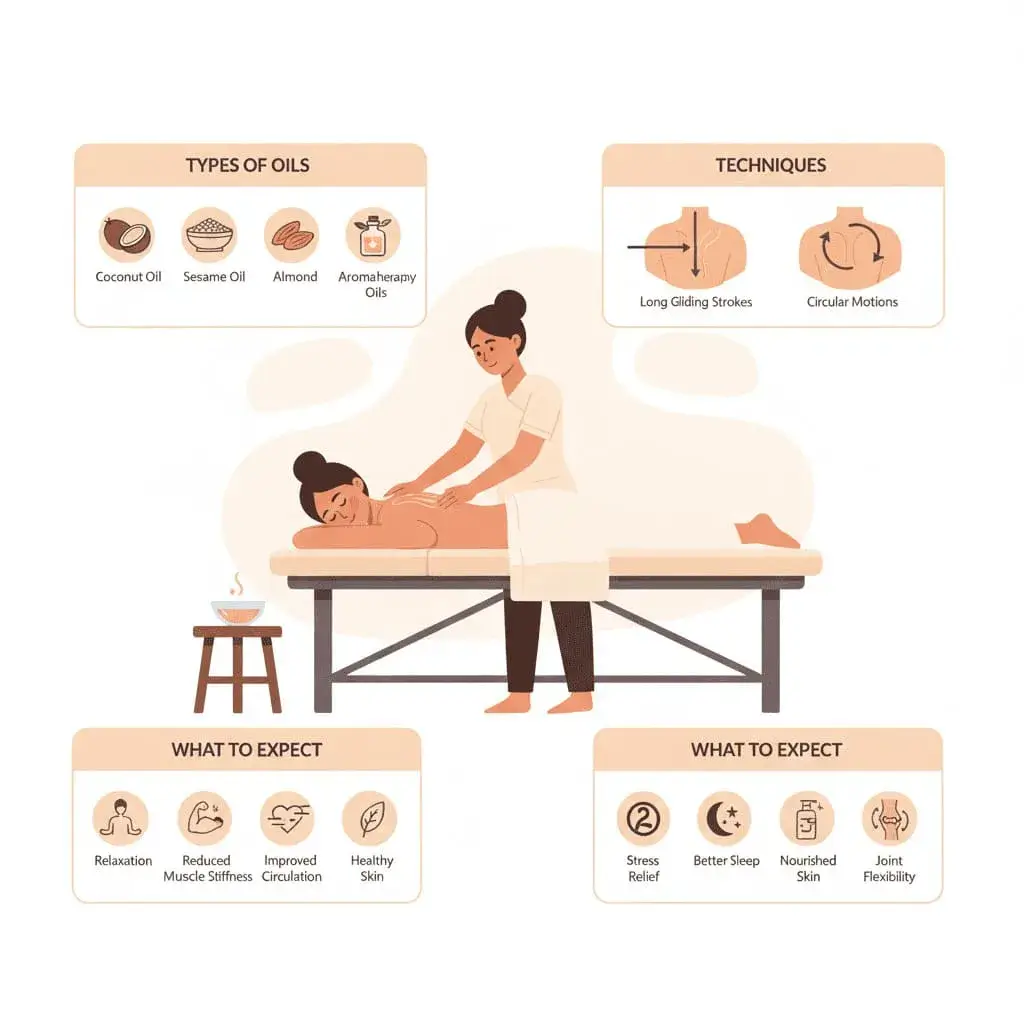
Oil Massage Benefits: Best Oils and What to Expect
Learn why oil massage feels different, which oils suit your skin, what techniques therapists use, and how to prepare for a session at home.
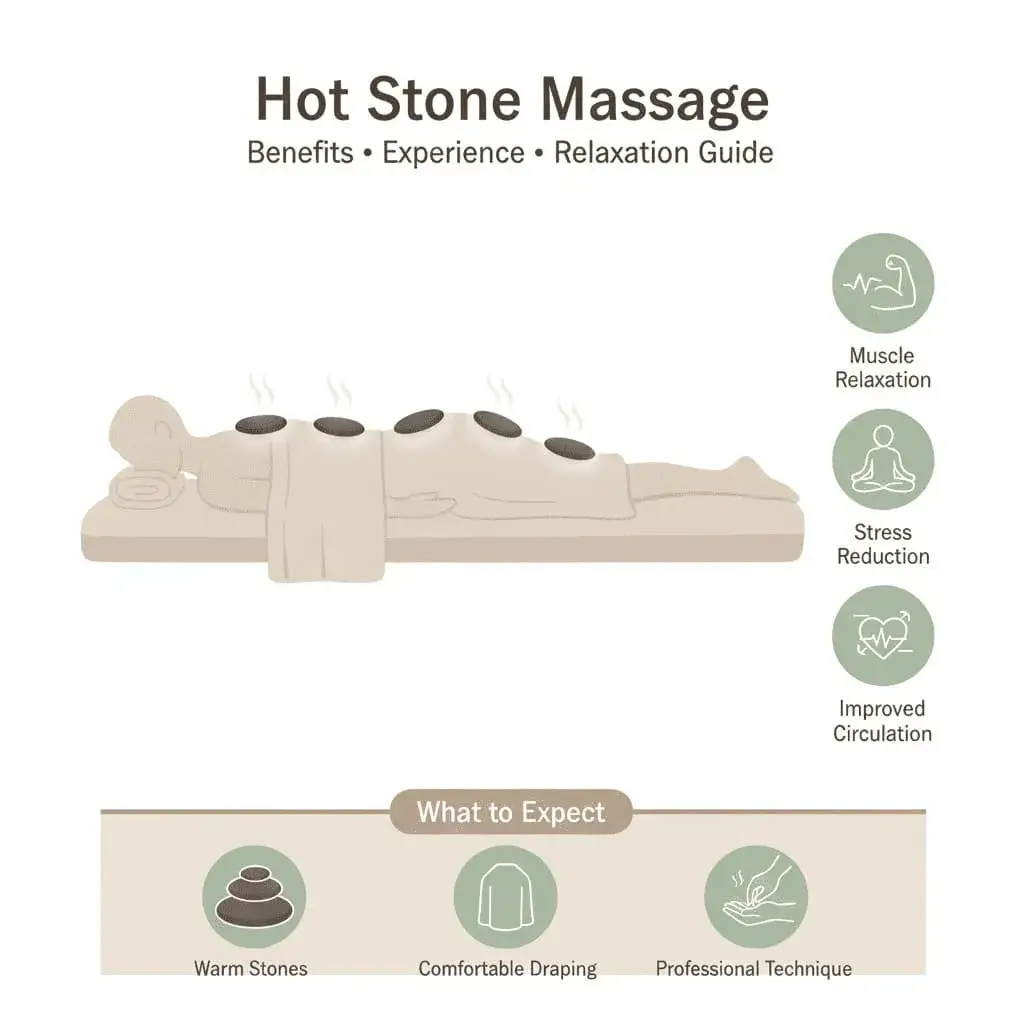
Hot Stone Massage at Home: Benefits and What to Expect
Hot stone massage uses warm basalt stones to release deep muscle tension. See the benefits, how a 75-minute home session works, and who should skip it.
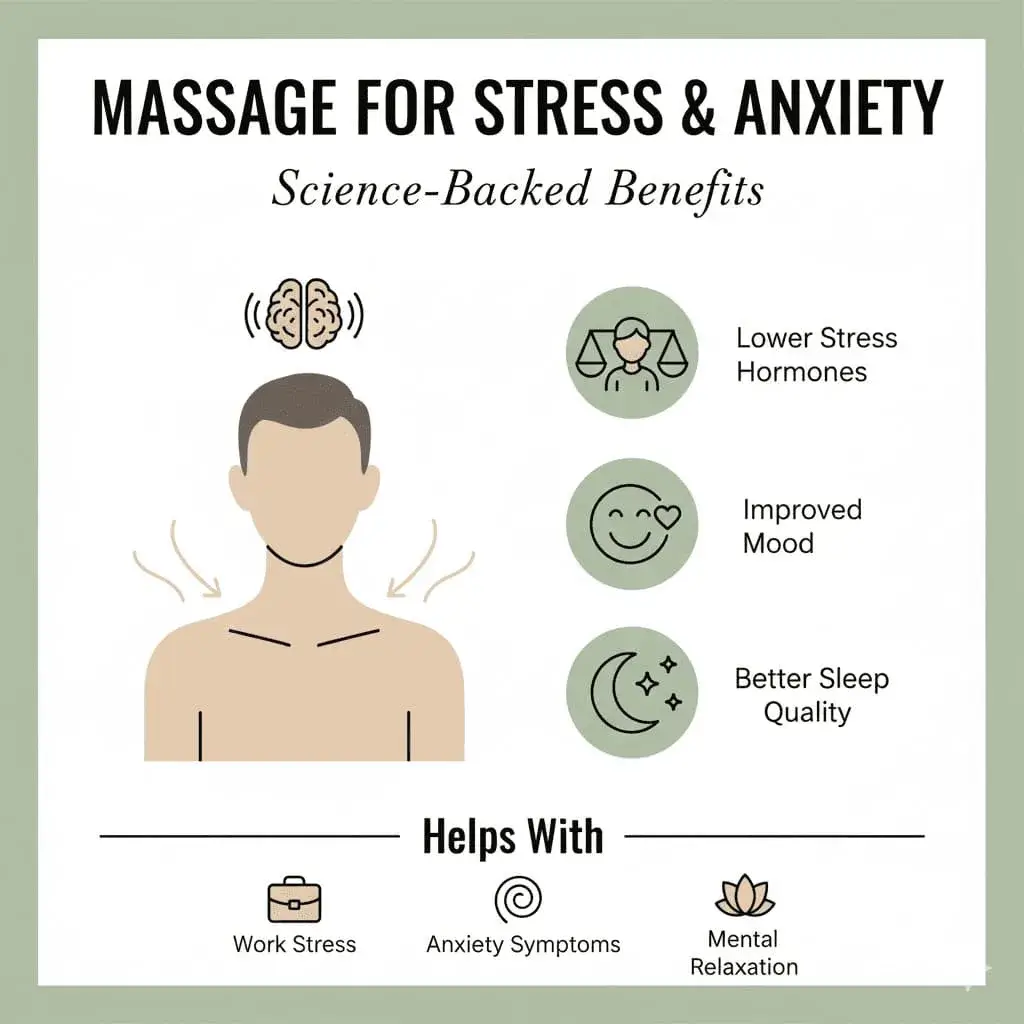
Massage for Stress & Anxiety: Science-Backed Benefits
Discover how massage therapy reduces stress and anxiety through proven mechanisms. Best massage types for relief and what clinical research shows.
Massage for Better Sleep: How It Works & What to Expect
Learn how massage therapy improves sleep quality by reducing cortisol and boosting serotonin. Best massage types for insomnia and optimal timing guide.
Massage Services in Other Cities

Professional Home Massage in Mumbai
Professional home massage in Mumbai. {{therapist_count}}+ verified therapists, same-day booking, 40+ areas covered. Swedish, deep tissue & Thai massage. Book now.

Professional Home Massage in Delhi NCR
Professional home massage in Delhi NCR. {{therapist_count}}+ verified therapists offering same-day booking across 50+ areas including Gurgaon, Noida, and CP. Book now.

Professional Home Massage in Bangalore
Professional home massage in Bangalore. {{therapist_count}}+ verified therapists, same-day booking across 50+ areas. Koramangala, Whitefield, HSR Layout. Book now.

Professional Home Massage in Pune
Professional home massage in Pune. {{therapist_count}}+ verified therapists offering same-day booking across 40+ areas. Koregaon Park, Baner, Hinjewadi. Book now.