Head Massage Benefits: Stress Relief, Hair Growth & Deep Relaxation

Ancient therapy backed by modern science for complete wellbeing

By Wellness Pro Editorial • • 14 min read
Professional head massage therapy session for relaxation and stress relief

In India's ancient wellness traditions, head massage—known as Champi—has been practiced for over 5,000 years. This therapeutic art form was passed down through generations, with grandmothers massaging their grandchildren's scalps with nourishing oils. Today, modern science validates what traditional practitioners have always known: head massage offers profound benefits for both body and mind.

Whether you're seeking relief from chronic stress, hoping to improve hair health, or simply want to experience deep relaxation, head massage provides a gateway to complete wellbeing. This guide explores the science-backed benefits of head massage and how this simple yet powerful therapy can improve your daily life.

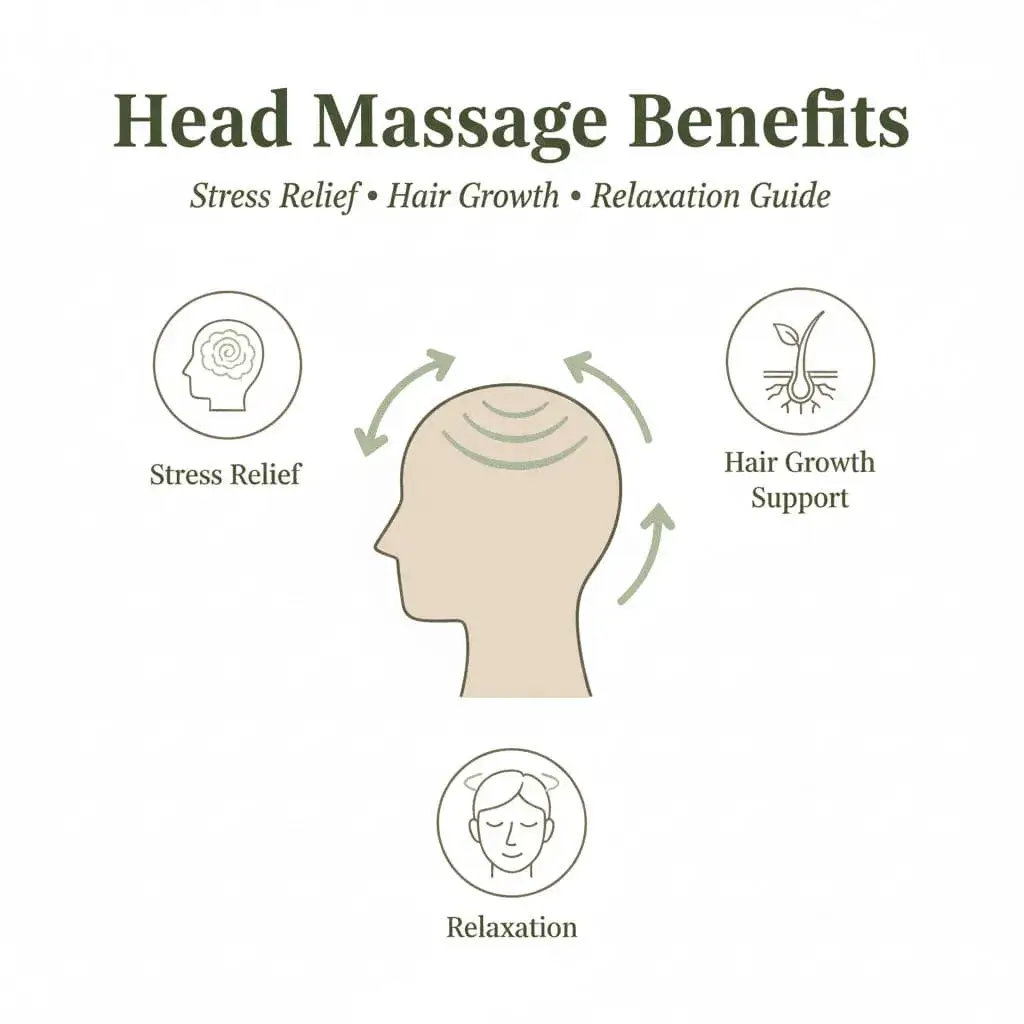
Key Benefits at a Glance

🧘

Stress Relief

Activates parasympathetic response, lowering cortisol and promoting deep relaxation within minutes.

💇

Hair Growth

Increases blood flow to follicles, delivering nutrients with nourishing oils for thicker hair growth.

😌

Headache Relief

Releases tension in scalp, temples, and neck muscles that cause tension headaches and migraines.

😴

Better Sleep

Evening sessions calm the nervous system and release physical tension for deeper, more restorative sleep.

Understanding Head Massage: More Than Just Relaxation

Head massage encompasses therapeutic manipulation of the scalp, temples, forehead, and often extends to the neck and shoulders. Unlike a quick head rub, professional head massage involves systematic techniques that stimulate blood circulation, release muscle tension, and activate pressure points connected to various body systems. It can be part of a full-body massage or a standalone treatment.

The head contains numerous nerve endings, blood vessels, and acupressure points. When skilled hands work these areas, the effects ripple throughout the entire body—calming the nervous system, improving circulation, and triggering the release of feel-good hormones. It's a comprehensive treatment that addresses physical discomfort, mental stress, and emotional wellbeing simultaneously.

The Science Behind Head Massage Benefits

Modern research has illuminated the physiological mechanisms that make head massage so effective. Understanding these processes helps appreciate why this ancient practice remains relevant in our high-stress modern world.

Neurological Effects

Head massage triggers multiple neurological responses that promote relaxation and healing:

  • Parasympathetic activation - Head massage triggers the "rest and digest" response, lowering heart rate and blood pressure while reducing stress hormones like cortisol
  • Neurotransmitter release - Serotonin levels increase to improve mood, dopamine creates feelings of pleasure, and endorphins provide natural pain relief
  • Vagus nerve stimulation - Gentle pressure activates the vagus nerve, promoting whole-body relaxation and supporting healthy inflammatory response

Circulatory Benefits

Massage techniques increase blood flow to the scalp and brain. This enhanced circulation delivers more oxygen and nutrients while removing metabolic waste products—similar to how full-body massage works. Studies show that just 15 minutes of scalp massage can significantly increase blood flow to hair follicles—a key factor in hair health.

Top 10 Benefits of Head Massage

1. Powerful Stress Relief

Perhaps the most celebrated benefit of head massage is its ability to melt away stress and anxiety. The head and neck hold tremendous tension, especially for those who work at computers or carry emotional burdens. When this tension releases, the relief is immediate and profound.

The stress-relief effects extend beyond the massage session itself. Regular head massage helps retrain the nervous system to maintain calmer baseline states, making you more resilient to daily stressors over time.

2. Natural Headache and Migraine Relief

Tension headaches and migraines often originate from tight muscles in the scalp, temples, and neck. Head massage addresses these trigger points directly, releasing the muscular tension that causes or worsens headaches.

Many clients report that regular head massage reduces both the frequency and intensity of their headaches. Some find it effective enough to reduce their reliance on pain medications—though always consult your healthcare provider about medication changes.

3. Improved Hair Health and Growth

One of the most exciting areas of head massage research involves hair health. The scalp's blood supply directly nourishes hair follicles, and massage significantly enhances this circulation.

Head massage supports hair health through multiple mechanisms:

4. Enhanced Mental Clarity and Focus

When your head feels heavy and foggy, clear thinking becomes difficult. Head massage clears this mental fog by improving blood flow to the brain and releasing tension that impedes cognitive function.

Many professionals find that a head massage during lunch breaks dramatically improves their afternoon productivity. The combination of stress relief and improved circulation creates optimal conditions for clear, focused thinking. It's like hitting a reset button for your brain.

5. Better Sleep Quality

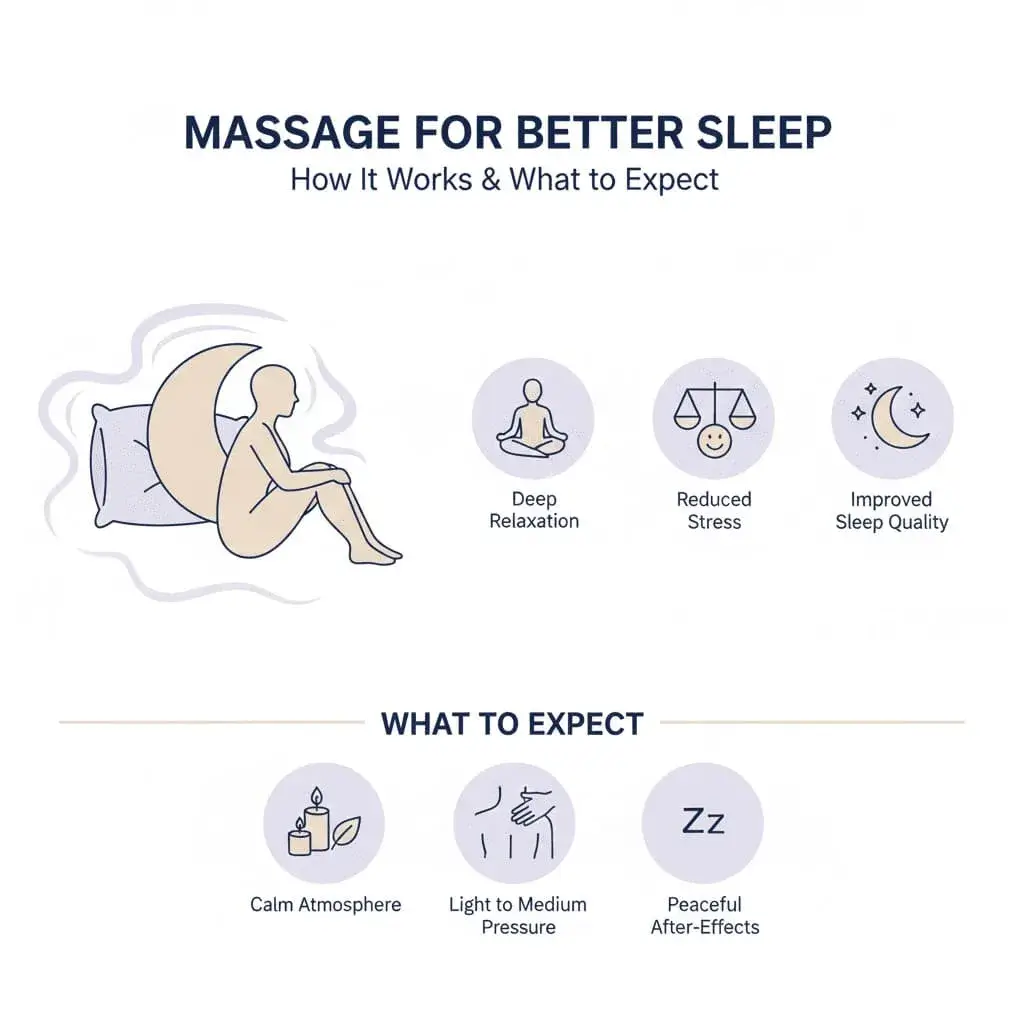
Insomnia and poor sleep quality plague millions of Indians. The racing thoughts, physical tension, and elevated stress hormones that keep you awake at night are precisely what head massage addresses. Learn more in our guide to massage for better sleep.

An evening head massage—especially with calming aromatherapy oils like lavender or chamomile—prepares your body for deep, restorative sleep. The parasympathetic activation tells your nervous system that it's safe to rest, while the physical relaxation releases the muscular tension that prevents comfortable sleep.

6. Relief from Eye Strain

In our screen-dominated world, eye strain has become epidemic—especially for IT professionals. The muscles around your eyes connect to your scalp and temples, and tension in these areas contributes to tired, strained eyes.

Head massage that includes the temples, forehead, and areas around the eyes provides significant relief from digital eye strain. Many clients notice their vision feels clearer and their eyes feel refreshed after treatment.

7. Reduced Anxiety and Depression Symptoms

The mood-enhancing effects of head massage extend beyond simple relaxation. The release of serotonin and dopamine during massage has genuine antidepressant and anxiolytic effects.

While head massage isn't a replacement for professional mental health treatment, it can be a valuable complementary therapy. Many people find regular massage helps them manage anxiety and maintain emotional equilibrium during challenging times.

8. Lower Blood Pressure

Chronic stress contributes to hypertension, and head massage's stress-relieving properties naturally support healthier blood pressure levels. The relaxation response triggered by massage dilates blood vessels and reduces the heart's workload.

9. Neck and Shoulder Tension Relief

Professional head massage typically extends to the neck and shoulders—areas that hold enormous tension for most people. This comprehensive approach addresses the interconnected muscle groups that contribute to head, neck, and back pain.

The relief from neck and shoulder tension alone makes head massage worthwhile for office workers, drivers, and anyone who spends extended time in fixed positions. It's preventive care that stops small tensions from developing into chronic problems.

10. Immune System Support

Chronic stress suppresses immune function, leaving you vulnerable to illness. By reducing stress hormones and activating the parasympathetic nervous system, head massage supports your body's natural defense mechanisms.

Improved lymphatic drainage in the head and neck area also supports your body's natural recovery processes and helps fight infection more effectively. Regular massage clients often report getting sick less frequently.

Types of Head Massage Techniques

Various head massage traditions offer different approaches, each with unique benefits. Understanding these options helps you choose the style that best matches your needs.

Indian Head Massage (Champi)

The original head massage tradition, Champi involves vigorous techniques applied to the scalp, neck, and shoulders. Traditional Champi often incorporates warm oils chosen for specific benefits—coconut for cooling, sesame for warming, or herbal-infused oils for therapeutic effects. It shares roots with Ayurvedic massage traditions.

  • Best for: Deep relaxation, hair health, traditional wellness
  • Technique: Firm pressure, circular movements, oil application
  • Duration: Typically 30-45 minutes

Shirodhara

This Ayurvedic treatment involves a continuous stream of warm oil poured onto the forehead. While technically different from massage, Shirodhara profoundly affects the same systems and is often combined with head massage.

  • Best for: Deep mental relaxation, anxiety, insomnia
  • Technique: Warm oil stream on third eye point
  • Duration: 45-60 minutes including preparation

Scalp Massage

A focused treatment concentrating solely on the scalp. This targeted approach maximizes benefits for hair health and headache relief while requiring less time than full head massage.

  • Best for: Hair growth, quick stress relief, tension headaches
  • Technique: Fingertip pressure, circular motions
  • Duration: 15-30 minutes

Acupressure Head Massage

This technique focuses on specific pressure points believed to correspond with various body systems. Based on Traditional Chinese Medicine principles, acupressure head massage can address issues throughout the body—similar to Thai massage techniques.

Head Massage for Hair Growth: What the Research Shows

The connection between scalp massage and hair growth deserves special attention, as this benefit motivates many people to explore head massage. Scientific research has begun validating traditional claims about massage and hair health.

The Mechanism

Hair follicles depend on blood supply for the nutrients and oxygen needed for growth. Scalp massage increases blood flow by dilating blood vessels under the skin. This enhanced circulation delivers more growth factors and nutrients directly to follicles.

Additionally, research suggests that the mechanical stimulation of massage stretches hair follicle cells. This stretching may activate genes that promote hair growth while reducing genes associated with hair loss.

Optimizing Massage for Hair Benefits

  1. Consistency matters - Daily massage shows best results in studies; even 4 minutes daily can be effective; sporadic massage provides less benefit
  2. Use appropriate pressure - Medium pressure is most effective—see what massage does to your body; too light provides insufficient stimulation; too hard can damage follicles
  3. Consider oil application - Coconut oil penetrates hair shaft; castor oil is traditionally used for thickness; rosemary oil may support growth
  4. Be patient - Hair growth takes time to become visible; studies show results at 24 weeks; continue practice long-term for sustained benefits

Best Oils for Head Massage

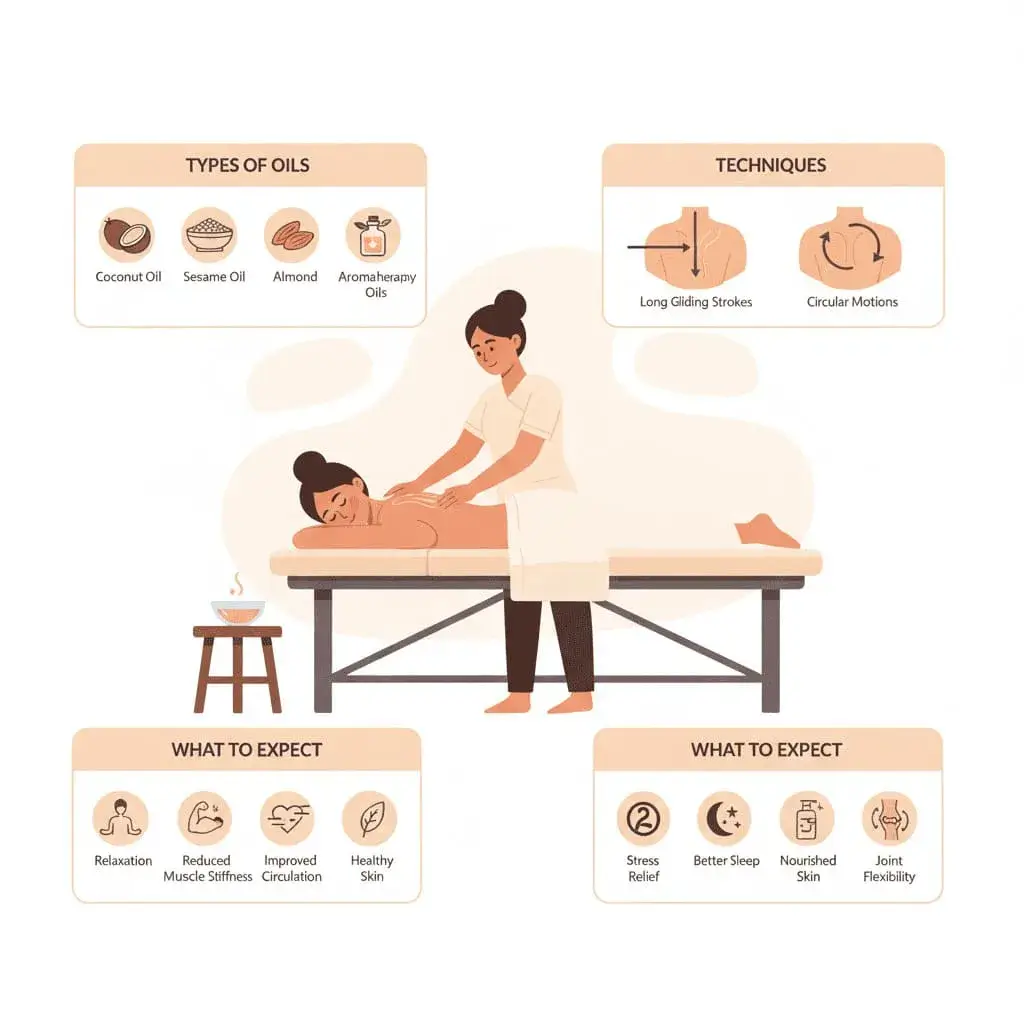
While head massage provides benefits with or without oil, traditional practice often incorporates carrier oils and essential oils for enhanced effects. Learn more about oil massage benefits in our dedicated guide.

Head Massage Oil Guide
Oil TypeKey BenefitsBest For
Coconut OilCooling, penetrates hair shaft, antimicrobialDry scalp, damaged hair, summer use
Sesame OilWarming, rich in antioxidants, traditional baseWinter use, Ayurvedic practice, mature hair
Almond OilLight texture, vitamin E rich, easily absorbedAll hair types, sensitive scalp
Brahmi OilCalming, supports memory, traditional herbStress relief, mental clarity, sleep issues
Bhringraj OilStrengthening, traditional hair remedyHair growth, premature graying, hair loss
Castor OilThick, moisturizing, promotes thicknessThinning hair, dry scalp (use sparingly)

Who Benefits Most from Head Massage?

While virtually everyone can benefit from head massage, certain groups find it particularly valuable:

High-Stress Professionals

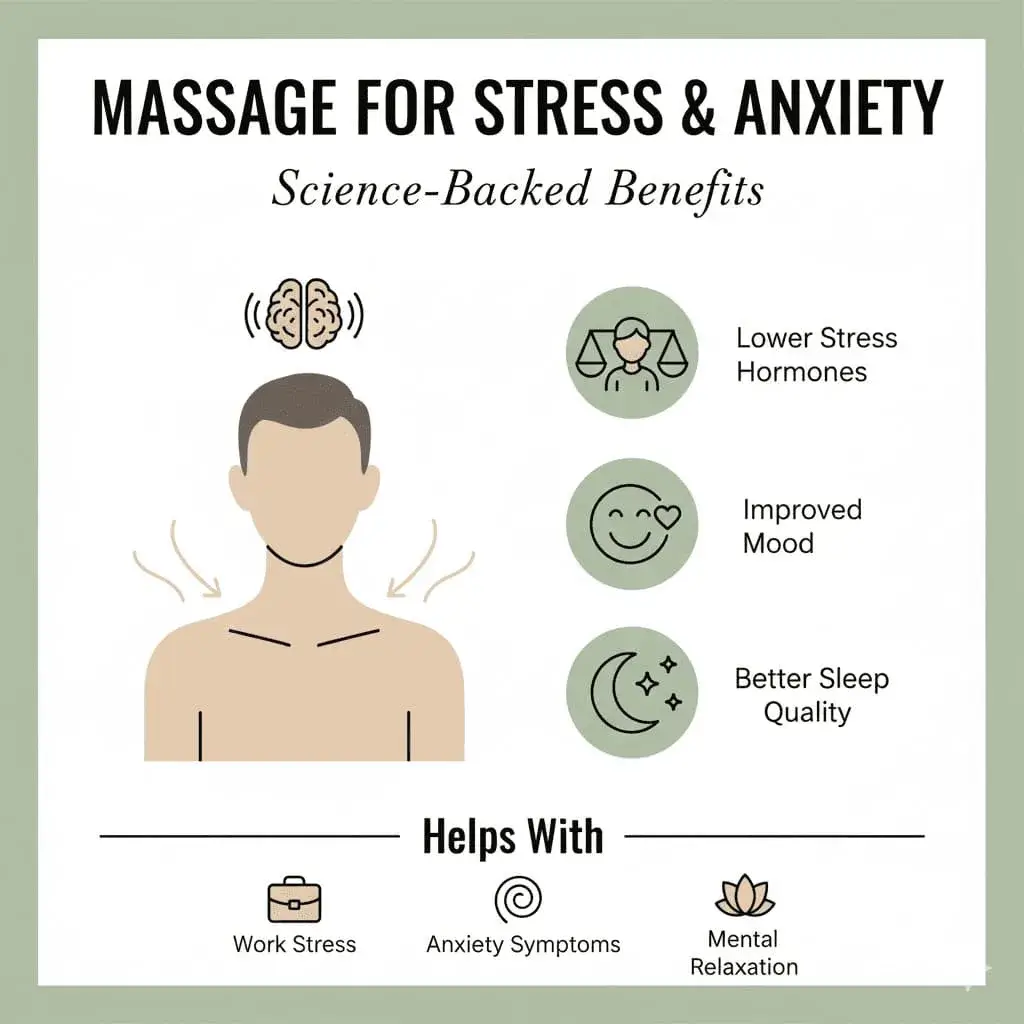
Executives, entrepreneurs, and anyone facing demanding work environments accumulates tremendous head and neck tension. Regular head massage prevents this tension from becoming chronic and helps maintain mental clarity under pressure. See our guide on massage for stress and anxiety.

Computer Workers

Extended screen time strains the eyes, neck, and shoulders while maintaining stress-inducing postures. Head massage addresses all these issues simultaneously, making it ideal preventive care for today's digital workforce. Learn more about massage for IT professionals.

Those with Sleep Issues

If racing thoughts and physical tension keep you awake, evening head massage can transform your sleep quality. The deep relaxation makes it easier to fall asleep and stay asleep through the night. See our complete guide to massage for better sleep.

Headache and Migraine Sufferers

For those plagued by frequent headaches, head massage offers both treatment and prevention. Regular sessions can reduce headache frequency while providing relief during active episodes.

Hair Health Seekers

Anyone concerned about hair thinning, slow growth, or overall hair health can benefit from regular scalp massage. Combined with appropriate oils, it's a natural approach to supporting your hair's vitality.

How Often Should You Get Head Massage?

The optimal frequency depends on your goals and circumstances. For general guidance, see our massage frequency guide.

Head Massage Frequency Recommendations
GoalRecommended FrequencyNotes
General wellness1-2 times per weekMaintains relaxation and prevents tension buildup
Stress management2-3 times per weekMore frequent sessions for high-stress periods
Hair growthDaily (even 4-5 minutes)Consistency matters more than duration
Headache prevention2-3 times per weekRegular maintenance prevents trigger point activation
Sleep improvementDaily before bedEvening timing maximizes sleep benefits
Acute stress reliefAs neededProfessional session when overwhelmed

You can combine professional head massage sessions with daily self-massage for optimal results. Professional therapists access techniques and provide experiences that self-massage cannot replicate, while daily self-care maintains benefits between appointments.

Professional vs. Self Head Massage

Both professional and self-administered head massage have their place in a wellness routine. Understanding the advantages of each helps you create the optimal approach.

Professional Head Massage Advantages

  • Trained techniques for maximum effectiveness
  • Complete relaxation—you simply receive
  • Access to hard-to-reach areas
  • Knowledge of pressure points and contraindications
  • Superior stress relief from nurturing touch
  • Often includes neck and shoulder work

Self-Massage Advantages

The ideal approach combines both: professional sessions for deep therapeutic work and daily self-massage for maintenance and specific goals like hair health.

What to Expect During a Professional Head Massage

If you're new to professional head massage, knowing what to expect helps you relax and receive maximum benefit from your session. Review our massage etiquette guide for additional preparation tips.

Before Your Session

  • Communicate your goals and any concerns
  • Mention headaches, scalp conditions, or sensitivities
  • Indicate oil preference (with or without)
  • Wear comfortable clothing (oils may drip)

During the Session

You'll typically be seated in a comfortable chair or massage table. The therapist begins with gentle strokes to assess tension and warm the tissues, then progresses to deeper techniques based on your needs and feedback.

Expect work on your scalp, temples, forehead, and typically extending to the neck and shoulders. Communication is welcome—let your therapist know if pressure should be adjusted or if certain areas need more attention.

After Your Session

  • Take time to transition slowly
  • Drink water to support lymphatic drainage
  • Leave oil in hair for at least 30 minutes if used (overnight is ideal)
  • Avoid strenuous activity immediately after
  • Notice and enjoy the relaxed, clear-headed feeling

Contraindications and Precautions

While head massage is generally safe, certain conditions require caution or avoiding treatment. Always inform your therapist about health conditions.

When in doubt, consult your healthcare provider before beginning head massage therapy, especially if you have chronic health conditions.

Maximizing Your Head Massage Benefits

Follow these tips to get the most from your head massage experience, whether professional or self-administered:

  1. Create a relaxing environment - Dim lights, minimize noise, play calming music if desired, ensure comfortable temperature
  2. Prepare mentally - Set aside worries before beginning, focus on sensations rather than thoughts, practice deep breathing
  3. Maintain consistency - Regular sessions provide cumulative benefits, create a sustainable routine, track your progress
  4. Extend the benefits - Practice stress-management techniques daily, maintain good posture, take regular breaks from screens

Frequently Asked Questions

How long should a head massage session be?
For general relaxation and stress relief, 20-30 minutes is ideal. For comprehensive treatment including neck and shoulders, 45-60 minutes provides thorough attention. See our massage duration guide for detailed recommendations. For hair benefits from self-massage, even 4-5 minutes daily can be effective.
Can head massage help with hair loss?
Research suggests scalp massage may help by increasing blood flow to follicles and potentially stimulating growth through mechanical stretching of follicle cells. While it's not a cure for genetic hair loss, it may slow progression and improve hair thickness when practiced consistently. Best results come from daily practice over several months with nourishing oils.
Is it normal to feel sleepy after head massage?
Yes, drowsiness is a common and positive response. Head massage activates your parasympathetic nervous system and releases relaxation-promoting hormones. This sleepiness indicates your body has shifted into rest-and-repair mode—ideal for better sleep. Schedule sessions when you can rest afterward, especially evening sessions.
Can head massage cure migraines?
While head massage isn't a cure for migraines, many sufferers find it helpful for reducing frequency and intensity. It works best as preventive care between episodes rather than during acute migraine attacks. Some people find gentle massage helpful during mild headache phases, but intense massage during severe migraines can worsen symptoms.
How soon will I notice benefits from head massage?
Stress relief and relaxation are immediate. Improved sleep quality may be noticed within a few sessions. Hair-related benefits typically require 3-6 months of consistent practice. Chronic tension relief develops progressively over several weeks of regular treatment.
Should I wash my hair before or after oil head massage?
Apply oil to dry or slightly damp hair before massage. Leave the oil in for at least 30 minutes after massage, ideally overnight. Wash hair the following morning for best absorption and benefit. If washing same-day, wait at least 2 hours after massage.
Can head massage help with anxiety?
Yes, head massage can be very effective for anxiety. It reduces cortisol (stress hormone), increases serotonin and dopamine (feel-good chemicals), and activates the parasympathetic nervous system. While not a replacement for professional mental health treatment, it's a valuable complementary practice for anxiety management.
Is head massage safe during pregnancy?
Head massage is generally safe during pregnancy and can help with pregnancy-related stress, headaches, and sleep issues. See our pregnancy massage guide for detailed information. Inform your therapist about your pregnancy, avoid essential oils not approved for pregnancy, and ensure comfortable positioning.

Conclusion: A Simple Practice with Profound Benefits

Head massage represents one of the most accessible yet powerful wellness practices available. From immediate stress relief to long-term benefits for hair health, sleep quality, and mental clarity, this ancient therapy addresses the unique challenges of modern life.

Whether you choose professional sessions, daily self-massage, or ideally both, consistent practice transforms head massage from an occasional indulgence into a genuine health-supporting routine. In a world that constantly demands our attention and energy, few practices offer such profound relaxation and restoration.

The tradition of head massage has endured for thousands of years because it works. Modern research confirms what generations have experienced: skilled hands on a tired head can shift your entire state of being. Start your head massage practice today—perhaps as part of a full-body massage experience—and discover why this simple therapy remains one of humanity's most treasured healing arts.