
How Often Should You Get a Massage? A Practical Guide
Finding the right frequency for your goals, lifestyle, and budget
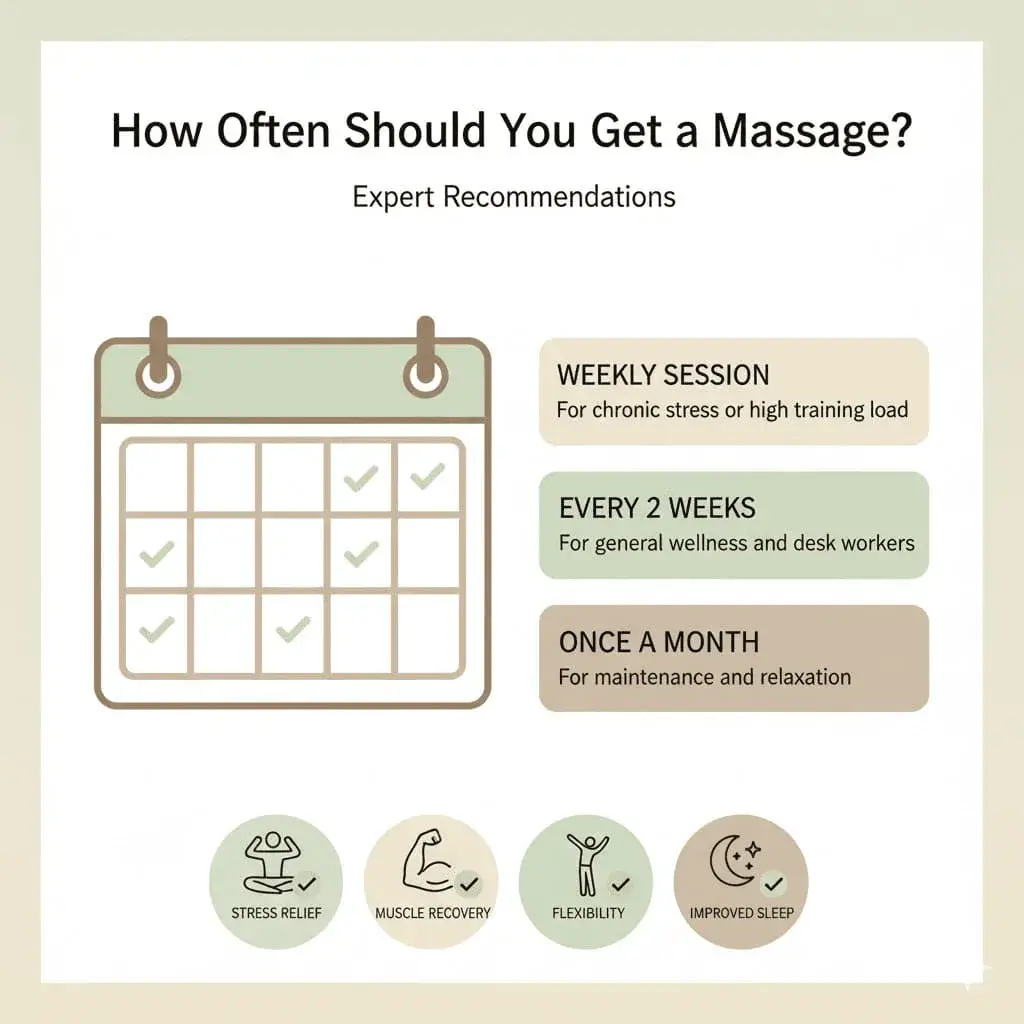
"How often should I get a massage?" It's one of the most common questions massage therapists hear. And honestly, there's no single right answer. The ideal frequency depends on why you're getting massage, what your body needs, and what fits your life practically.
That said, there are practical guidelines that therapists commonly give. Someone managing chronic pain needs a different schedule than someone seeking occasional stress relief. An athlete in training has different needs than someone maintaining general wellness.
This guide breaks down frequency recommendations by goal, explains the factors that affect your optimal schedule, and helps you build a sustainable massage routine that fits your life.
Quick Frequency Guide by Goal
Stress Relief
Monthly for maintenance, every 2 weeks during high-stress periods
Pain Management
Weekly initially for chronic pain, then every 2-4 weeks as symptoms improve
Athletic Recovery
Weekly sports massage for serious training, every 2 weeks for gym-goers
General Wellness
Monthly full body massage - works well for prevention and maintenance
The Quick Answer
If you want a simple starting point: once a month works well for most people seeking general wellness and stress management. This frequency maintains benefits without requiring significant time or financial commitment.
But "most people" might not be you. If you have specific goals, chronic issues, or a particularly demanding lifestyle, you may benefit from more frequent sessions. Let's break it down by what you're trying to achieve.
Frequency by Goal: What Therapists Commonly Suggest
For Stress Relief and Mental Wellness
If your primary goal is managing stress, reducing anxiety, or supporting mental wellness, massage frequency matters more than you might think. Stress builds back up between sessions, so consistency is key.
- High stress periods: Weekly relaxation sessions during particularly stressful times
- Ongoing moderate stress: Every 2 weeks keeps tension from building back up
- General stress management: Monthly sessions provide noticeable benefit
- Maintenance after improvement: Can often extend to every 4-6 weeks
For Chronic Pain Management
Chronic pain - whether from conditions like fibromyalgia, arthritis, or persistent back pain - often requires more intensive initial treatment followed by maintenance. The pattern typically looks like this:
- Initial phase (4-6 weeks): Weekly deep tissue sessions to address accumulated tension and establish relief
- Transition phase (4-8 weeks): Every 2 weeks as symptoms stabilize
- Maintenance phase: Every 2-4 weeks based on how long relief lasts
The key insight: starting with more frequent sessions often leads to longer-lasting results. Trying to space out sessions too early can mean constantly "starting over" rather than building on progress.
For Athletes and Fitness Enthusiasts
If you exercise regularly, massage serves multiple purposes: recovery, injury prevention, and performance optimization. Frequency depends on your training intensity:
| Activity Level | Recommended Frequency | Focus |
|---|---|---|
| Professional/Elite Athletes (Sports Massage) | 2-3 times per week | Recovery, performance, injury prevention |
| Serious Amateur/Training for Events | Weekly | Recovery, maintaining flexibility |
| Regular Gym-Goer (4-5x/week) | Every 2 weeks | Preventing buildup, recovery support |
| Moderate Exercise (2-3x/week) | Monthly | General maintenance, occasional recovery |
| Occasional Intense Exercise (Post-Workout) | After intense activity + monthly | Recovery when needed |
For General Wellness and Prevention
If you don't have specific pain issues or high-performance goals, but want massage as part of a healthy lifestyle, monthly sessions are the standard recommendation. Here's why this works:
- Prevents tension accumulation - Addresses buildup before it becomes problematic
- Maintains body awareness - Regular check-ins with your physical state
- May support immune function - Lower stress generally supports immunity (how massage works)
- Creates sustainable habit - Frequent enough to remember, manageable pricing to schedule
- Catches issues early - A regular therapist notices changes in your body over time
Monthly massage is also where most people find the best balance between benefit and practicality. It's frequent enough to maintain results but not so frequent that it becomes a scheduling or financial burden.
For Specific Conditions
- Tension headaches/migraines: Weekly during active periods, every 2 weeks for prevention
- Desk worker postural issues: Every 2 weeks addresses ongoing strain
- Recovery from injury: Per your healthcare provider's recommendation, often 2-3x weekly initially
- Pregnancy: Monthly during first trimester (if cleared), every 2-3 weeks in second/third
- Insomnia/sleep issues: Weekly initially, then every 2 weeks as sleep improves
Factors That Affect Your Optimal Frequency
The recommendations above are starting points. Your ideal frequency depends on several personal factors:
Your Body's Response
- How quickly tension returns - Some people hold tension longer than others
- Recovery time after massage - If you're sore for days, you may need gentler or less frequent sessions
- Cumulative benefit - Does each session build on the last, or do you reset to baseline?
- Your physical awareness - Can you notice when you need a session?
Your Lifestyle
- Physical job vs. desk job - Physical work may require more frequent recovery
- Stress levels - Higher stress often means more frequent benefit
- Sleep quality - Poor sleep increases muscle tension
- Other wellness practices - Yoga, stretching, exercise can extend massage benefits
- Travel frequency - Travel is hard on bodies; more travel may mean more massage
Practical Constraints
- Budget - Be realistic about what you can sustain long-term
- Time availability - Including travel time if going to a spa
- Schedule predictability - Easier to maintain routine with consistent schedule
- Home massage option - Removes travel time, often makes more frequent sessions practical
Signs You Might Need More Frequent Massage
Your body often tells you when your current frequency isn't enough. Watch for these signals:
- ✓Tension returns quickly - You feel tight again within days of your massage
- ✓Increasing discomfort between sessions - Pain or tension is worse than when you started
- ✓Sleep deteriorating - Quality declining despite other factors being stable
- ✓Stress symptoms returning - Headaches, jaw clenching, shoulder tension
- ✓Feeling like you're "starting over" - Each session addresses the same issues without progress
- ✓Therapist finding same problem areas - Chronic knots that never fully resolve
- ✓Needing longer sessions - 60 minutes isn't enough to address everything - see the session length guide
If multiple signs apply, consider increasing frequency for a period - even temporarily during high-stress times - to see if more consistent treatment helps you make actual progress rather than just temporary relief.
Signs You Might Be Overdoing It
Yes, too much massage is possible, though it's less common than too little. Watch for:
- Persistent soreness - Still sore from one session when the next arrives
- Bruising - Regular bruising suggests tissue is being overworked
- Increased sensitivity - Becoming more tender rather than less
- Fatigue after sessions - Excessive tiredness beyond normal relaxation
- No additional benefit - More frequent sessions aren't improving outcomes
- Financial strain - Spending beyond sustainable means
Building a Sustainable Massage Routine
The best massage frequency is one you can maintain long-term. Here's how to build a routine that lasts:
Start Conservative
Begin with monthly sessions if you're new to regular massage. This gives you a baseline to evaluate. After 3-4 months, you'll have enough experience to know if you need more frequent sessions.
Schedule in Advance
Book your next session before leaving the current one. People who schedule in advance are far more likely to maintain consistency than those who "book when they need it." Your calendar fills up; protect your wellness time.
Find Your Rhythm
- Same day/time - Weekly sessions every Tuesday at 6pm, monthly on the first Saturday
- Tied to pay cycle - After each paycheck, making budgeting easier
- Linked to other activities - After long work weeks, before monthly reviews
- Seasonal adjustments - More frequent during high-stress seasons
Track Your Results
Keep simple notes: How did you feel before? After? How long did the benefit last? This data helps you optimize your frequency over time rather than guessing.
Making Regular Massage Financially Sustainable
Budget is a real consideration. Here are strategies to make regular massage more affordable:
Practical Approaches
- Subscription plans - Plans include sessions and work out cheaper per session than one-off bookings
- Prioritize consistency over luxury - A skilled therapist matters more than spa ambiance
- Home massage - No travel charge, no taxes added on top, and no travel expenses of your own
- Budget specifically - Treat it as a health expense like gym membership
- Reduce other expenses - What could you cut to fund regular wellness?
Think Long-Term Value
Regular massage can reduce need for pain medication, decrease sick days, improve sleep (reducing need for sleep aids), and prevent injuries that would cost more to treat. The expense isn't just comfort - it's health maintenance. Check our pricing guide for cost comparisons.
When to Adjust Your Frequency
Your optimal frequency isn't fixed forever. Life changes, and your massage schedule should adapt:
Increase Frequency When:
- Starting a new exercise program or intensifying training
- Going through a high-stress period (work deadline, life changes)
- Recovering from injury or surgery (with medical clearance)
- Chronic issues are flaring up
- Seasonal changes affect your body (some people tighten up in winter)
- Travel increases significantly
Decrease Frequency When:
- Maintenance goals achieved and body is stable
- Benefits lasting longer between sessions
- Other wellness practices (yoga, stretching) are maintaining flexibility
- Life circumstances require budget adjustment
- Stress levels have genuinely decreased
Communicate with your therapist about changes. They can notice patterns you might miss and suggest adjustments based on how your body is responding.
Frequently Asked Questions
Can you get a massage too often?
Is weekly massage too much?
How long do massage benefits last?
Should I get massage if I'm not in pain?
Is it okay to get different types of massage at different frequencies?
How do I know if my current frequency is right?
What if I can only afford massage occasionally?
Do I need to stick to the same schedule forever?
Finding Your Rhythm
The "right" massage frequency is the one that meets your goals, fits your life, and can be sustained over time. For most people, that's monthly for general wellness, more frequent for specific issues or high-demand periods.
Start with what's practical, pay attention to how your body responds, and adjust accordingly. The goal is making massage a sustainable part of your wellness routine - not a sporadic indulgence or an unsustainable commitment.
Talk to your massage therapist about your goals. They can recommend a starting frequency and help you adjust based on how you respond. Over time, you'll develop an intuitive sense of what your body needs and when.
Related Articles
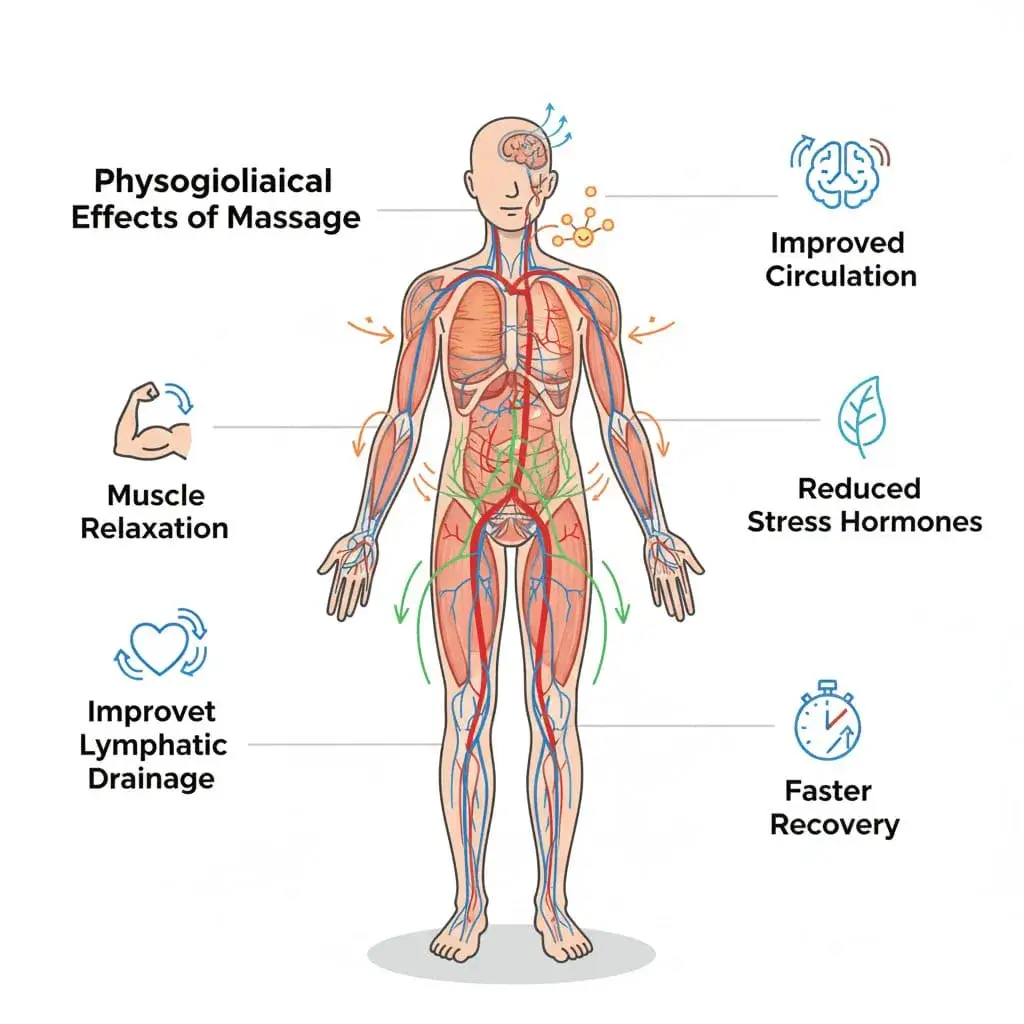
What Does a Massage Do to Your Body? Science-Backed Guide
Discover what actually happens inside your body during a massage. From muscle changes to brain chemistry shifts - the science explained simply.
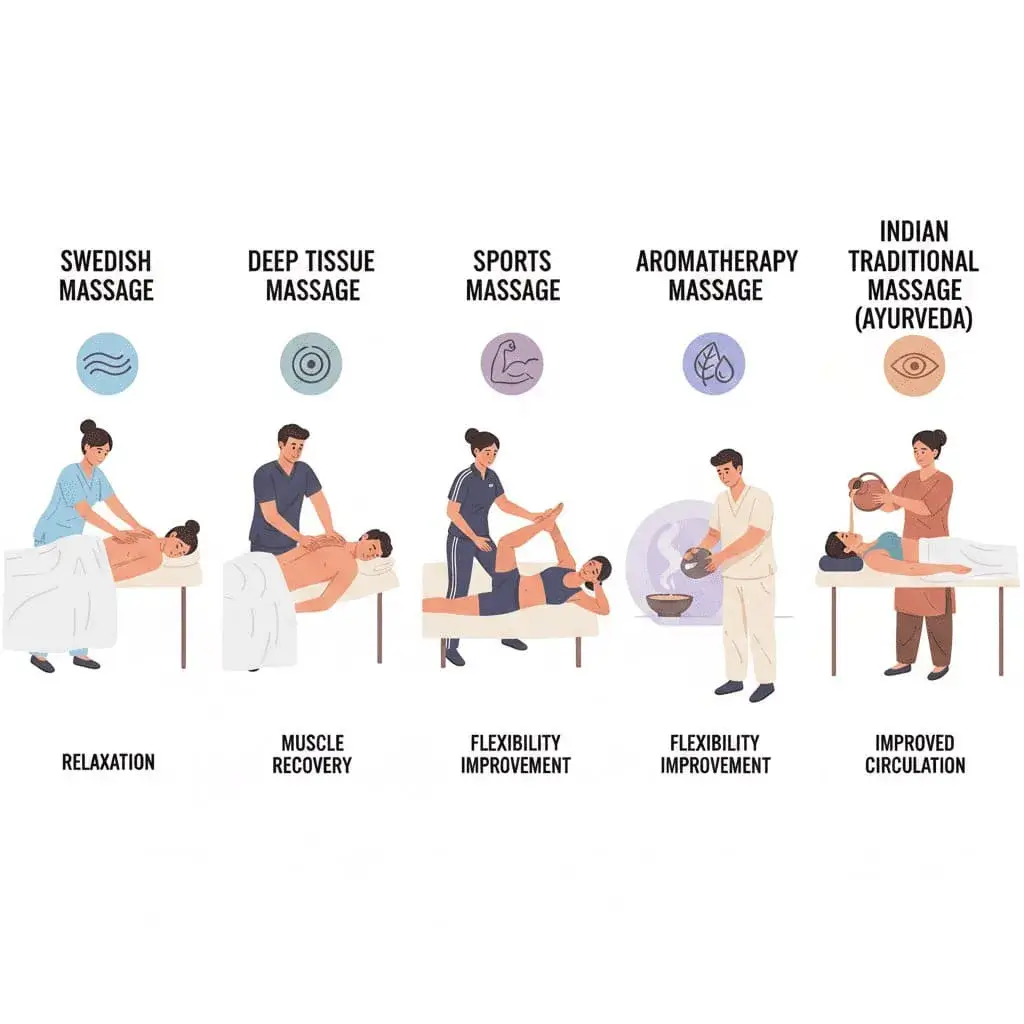
Types of Body Massage in India: How to Choose
Swedish for relaxation, deep tissue for pain, Thai for flexibility - compare the 8 massage types you can book at home in India and pick the right one.
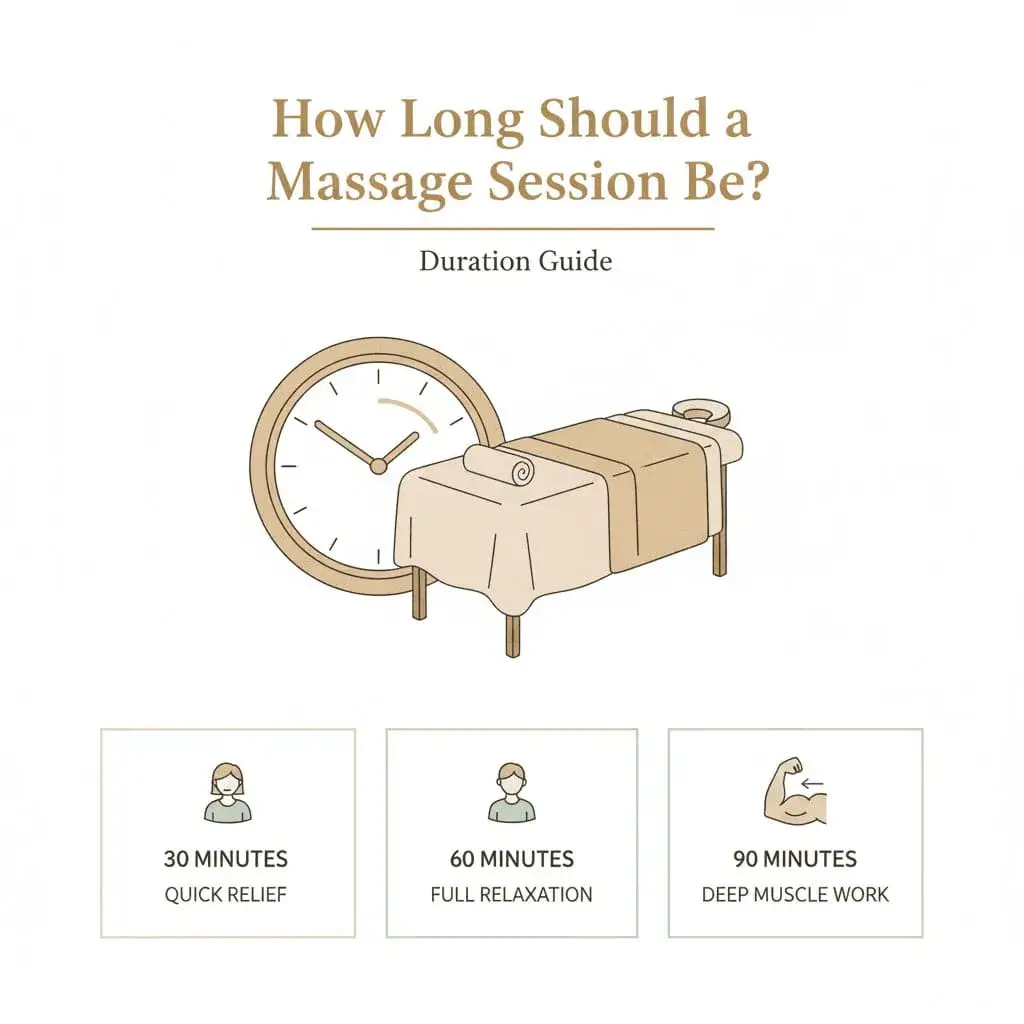
How Long Should a Full Body Massage Be? 60 vs 90 Minutes
Most people book 60 minutes, but is 90 worth the extra cost? See what each session length covers, what it costs at home in India, and how to choose.
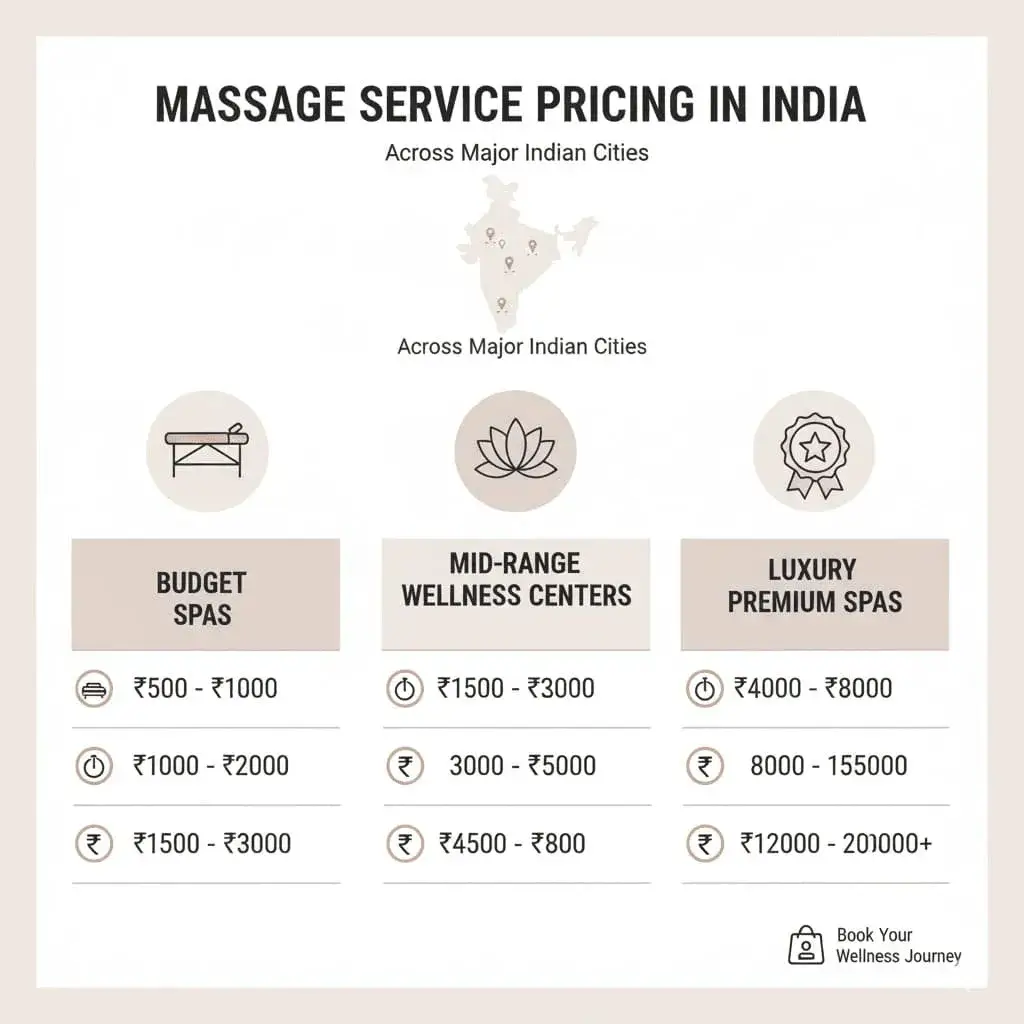
Massage Price in India: Live Rates From Our Booking System
Real home massage prices, updated live from our booking system. Full body massage at home starts at ₹1,999 in metros and less in smaller cities.
Massage Services in Other Cities

Professional Home Massage in Mumbai
Professional home massage in Mumbai. {{therapist_count}}+ verified therapists, same-day booking, 40+ areas covered. Swedish, deep tissue & Thai massage. Book now.

Professional Home Massage in Bangalore
Professional home massage in Bangalore. {{therapist_count}}+ verified therapists, same-day booking across 50+ areas. Koramangala, Whitefield, HSR Layout. Book now.

Professional Home Massage in Delhi NCR
Professional home massage in Delhi NCR. {{therapist_count}}+ verified therapists offering same-day booking across 50+ areas including Gurgaon, Noida, and CP. Book now.

Professional Home Massage in Chennai
Professional home massage in Chennai. {{therapist_count}}+ verified therapists, same-day booking, 40+ areas covered. Swedish, deep tissue & Thai massage. Book now.