
Massage for Weight Loss: Does It Actually Work?
Separating fact from fiction about massage and body composition
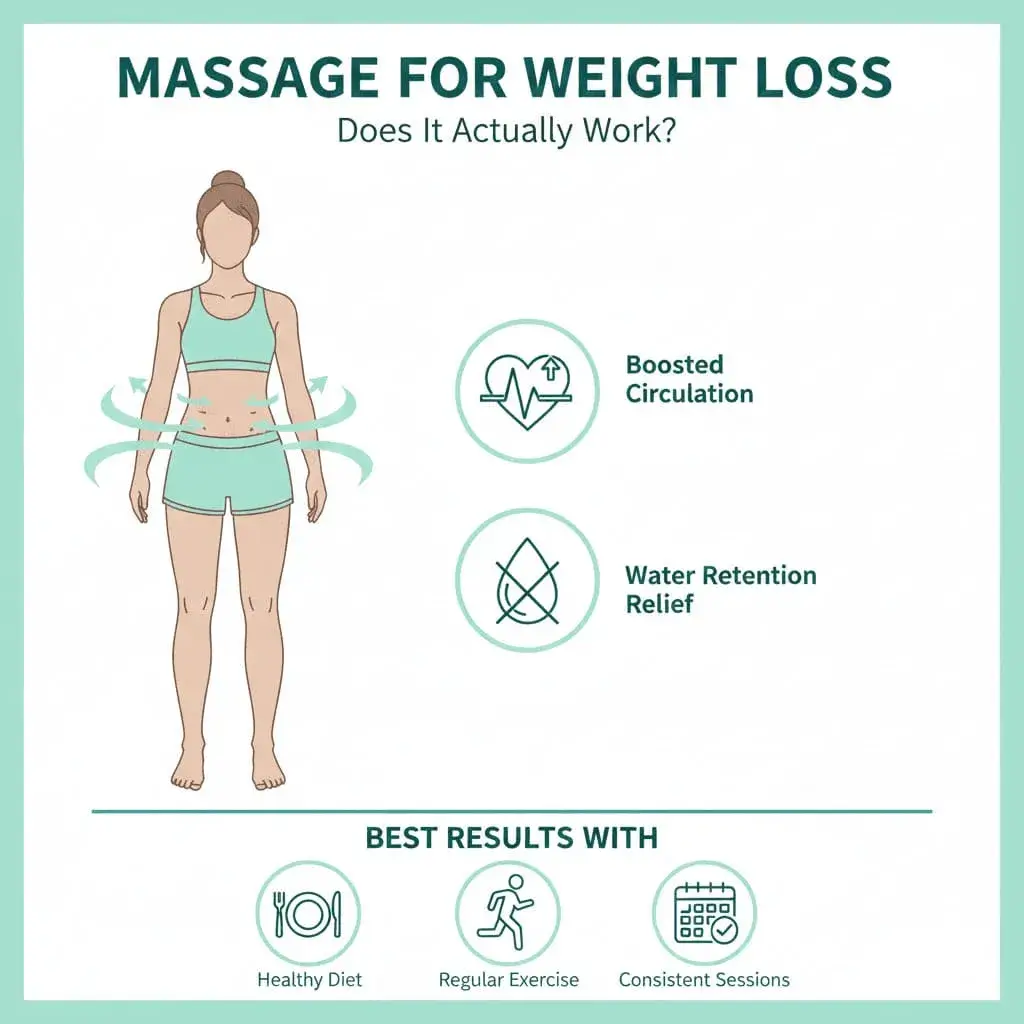
"Massage for weight loss" is one of the most searched massage-related topics online. And it's understandable. Who wouldn't want to lose weight while lying on a comfortable table? The wellness industry is filled with claims about "fat-melting" massages and treatments that promise to slim your body. But what does science actually say?
Let's be direct: massage does not directly cause significant fat loss. No amount of kneading, pressing, or rubbing will "break up" fat cells or burn meaningful calories. However, and this is important, massage can genuinely support a weight loss journey through several indirect but evidence-based mechanisms. Understanding what massage can and cannot do helps you use it effectively as part of a comprehensive approach.
The Hard Truth: What Massage Cannot Do
Before exploring massage's real benefits for weight management, let's address common misconceptions directly:
Massage Does Not "Break Up" Fat
This is perhaps the most persistent myth. Fat cells (adipocytes) are not broken down by physical manipulation. They can only be reduced by your body metabolizing them for energy, which requires a caloric deficit. No amount of massage pressure can crush, dissolve, or otherwise destroy fat cells. Claims of "fat-melting" massage are not supported by science.
Massage Does Not Burn Significant Calories
Receiving a massage is a passive activity. While you may feel warm or flushed from increased circulation, you're not expending meaningful energy. The caloric burn from receiving massage is negligible, perhaps 50-70 calories per hour, similar to resting. This is insignificant for weight loss purposes.
Massage Does Not Permanently Reduce Measurements
Some people notice their measurements are slightly smaller immediately after certain massages, particularly lymphatic drainage. This is temporary reduction of fluid, not fat. Within 24-48 hours, normal fluid balance returns. These changes are useful for temporary bloating relief but should not be confused with fat loss.
The Real Benefits: How Massage Actually Supports Weight Management
Now for the good news. While massage won't directly cause fat loss, it offers genuine indirect benefits that can support your weight management efforts. These effects are backed by research and can meaningfully contribute to a successful weight management plan.
1. Cortisol Reduction and Stress Eating
This may be massage's most significant contribution to weight management. Chronic stress elevates cortisol, which promotes fat storage (especially abdominal fat), increases appetite, and triggers cravings for high-calorie comfort foods. Research reviews show massage can lower cortisol levels, though the size of the effect varies from person to person.
Lower cortisol means reduced cravings, less tendency toward emotional eating, and potentially less abdominal fat accumulation over time. If stress eating is part of your weight struggle, regular massage addresses a root cause rather than just symptoms.
"I always set honest expectations with clients asking about weight loss. Massage will not melt fat, but what I do see consistently is that clients who come in stressed and overwhelmed start making better choices outside the session. They sleep better, they snack less impulsively, and they have the energy to stay active. The massage supports the journey rather than being the journey itself."
2. Improved Sleep Quality
Poor sleep is strongly linked to weight gain. Sleep deprivation increases ghrelin (hunger hormone), decreases leptin (satiety hormone), impairs glucose metabolism, and reduces willpower for healthy choices. Studies consistently show that people who sleep poorly eat more and gain more weight.
Massage significantly improves sleep quality by reducing cortisol, increasing serotonin (precursor to the sleep hormone melatonin), and activating the parasympathetic nervous system. Better sleep supports weight management from multiple angles: hormone regulation, reduced cravings, and more energy for physical activity.
3. Enhanced Exercise Recovery
Exercise is a cornerstone of weight management, but soreness and fatigue can derail consistency. Massage reduces delayed onset muscle soreness (DOMS), speeds recovery between workouts, and helps maintain flexibility. This means you can exercise more frequently and intensely, the actual activities that burn calories and build muscle.
Athletes and regular exercisers who incorporate massage often report better training consistency. If post-workout soreness has ever caused you to skip workouts, regular massage can help you maintain the exercise habits that truly drive weight loss.
4. Reduced Pain That Limits Activity
Chronic pain often leads to reduced physical activity, creating a cycle of weight gain, increased joint stress, more pain, and further activity reduction. Massage effectively addresses many types of muscular pain, potentially breaking this cycle and enabling more movement.
If back pain, knee pain, or other musculoskeletal issues have limited your activity level, addressing these through massage may enable you to become more active, which genuinely impacts weight.
5. Mind-Body Connection and Body Awareness
Regular massage increases awareness of your body. You notice tension patterns, how stress manifests physically, and how your body feels when relaxed versus stressed. This enhanced body awareness often extends to eating behaviors: more awareness of hunger versus emotional eating, better recognition of satiety, and more intentional food choices.
The mindfulness cultivated during massage, being present with physical sensations, can transfer to mindful eating practices, which research shows supports weight management.
6. Improved Circulation and Lymphatic Flow
While this doesn't burn fat, improved circulation supports metabolic function and helps clear metabolic waste products. Lymphatic drainage massage specifically can reduce water retention and bloating, which (while not fat loss) can improve comfort and motivation during a weight loss journey.
| Benefit | How It Helps | Impact Level | Evidence |
|---|---|---|---|
| Cortisol reduction | Decreases stress eating, reduces abdominal fat tendency | High | Strong research support |
| Better sleep | Regulates hunger hormones, improves metabolism | High | Strong research support |
| Exercise recovery | Enables consistent training, less skipped workouts | Medium-High | Well-documented |
| Pain reduction | Enables more physical activity | Medium | Well-documented |
| Body awareness | Supports mindful eating | Medium | Moderate evidence |
| Circulation improvement | Supports metabolic function | Low | Limited direct evidence |
| Temporary fluid reduction | Reduces bloating, improves comfort | Low (temporary) | Observable but temporary |
Massage Types and Weight Management
Different massage styles offer different benefits for supporting weight management:
Swedish Massage
Best for: Stress reduction, sleep improvement, general relaxation. Swedish massage is excellent for addressing cortisol and sleep-related weight factors. The flowing strokes promote full-body relaxation that counters the stress response. If stress eating is your primary challenge, regular Swedish massage may be particularly helpful.
Deep Tissue Massage
Best for: Athletic recovery, chronic pain, muscle tension. If you're exercising for weight loss and experiencing soreness or pain that limits your workouts, deep tissue work supports recovery and maintains your ability to train consistently. It's also effective for chronic pain that may be limiting your activity level.
Sports Massage
Best for: Active people using exercise for weight management. Sports massage is specifically designed to support physical training: improving recovery, addressing muscle imbalances, and maintaining flexibility. If exercise is central to your weight loss plan, sports massage optimizes your training capacity.
Lymphatic Drainage Massage
Best for: Temporary bloating reduction, fluid retention. Lymphatic drainage uses very light pressure to encourage lymph flow and reduce fluid retention. This can provide temporary relief from bloating and puffiness. Be clear that this is water, not fat, but if bloating affects your comfort or motivation, lymphatic drainage may help.
Abdominal Massage
Best for: Digestive support, reducing abdominal discomfort. Abdominal massage can improve digestion and reduce bloating from digestive sluggishness. It does not "massage away" belly fat, but may improve digestive comfort and function. Some people find it helpful for constipation relief, which can affect both comfort and weight fluctuations.
| Massage Type | Primary Benefit | Best For | Weight-Related Impact |
|---|---|---|---|
| Swedish | Stress reduction, relaxation | Stress eating, poor sleep | Cortisol reduction, better sleep |
| Deep Tissue | Pain relief, muscle recovery | Active people, chronic pain | Enables consistent exercise |
| Sports Massage | Athletic performance | Regular exercisers | Optimizes training capacity |
| Lymphatic Drainage | Fluid reduction | Water retention, bloating | Temporary bloating relief only |
| Abdominal | Digestive support | Digestive discomfort | May reduce bloating |
How to Use Massage in a Weight Management Plan
If you're working on weight management, here's how to integrate massage effectively:
Address Your Primary Barriers
Consider what most interferes with your weight management: Is it stress eating? Poor sleep? Exercise pain or recovery? Lack of motivation? Choose your massage approach based on your specific barriers rather than seeking generic "weight loss massage."
- Stress eating → Regular Swedish or relaxation massage for cortisol reduction
- Poor sleep affecting appetite → Evening massage sessions, aromatherapy massage
- Exercise soreness limiting workouts → Sports massage or deep tissue after training
- Chronic pain limiting activity → Therapeutic massage targeting pain areas
- Bloating and water retention → Lymphatic drainage (understanding it's temporary)
Maintain Realistic Expectations
Massage is a support tool, not a primary weight loss method. The fundamentals of weight management (caloric balance, nutrition quality, physical activity, and sleep) remain essential. Massage enhances your ability to execute on these fundamentals but doesn't replace them.
Don't expect the scale to drop after a massage. Do expect improved ability to manage stress, better sleep, reduced exercise soreness, and enhanced overall wellbeing that supports your weight management efforts over time.
Consistency Matters
For indirect benefits like cortisol reduction and sleep improvement, regular massage is more effective than occasional sessions. The cumulative effect of weekly or bi-weekly massage creates lasting changes in stress response and sleep patterns that support sustainable weight management.
Combine with Active Recovery
If you're using massage to support exercise, combine it with active recovery strategies: gentle movement on rest days, stretching, adequate hydration, and proper nutrition. Massage is most effective as part of a comprehensive recovery protocol.
The Psychological Benefits
Weight management has significant psychological components that massage addresses:
Self-Care and Motivation
Regular massage is an act of self-care that can reinforce commitment to health goals. When you're investing in your wellbeing through massage, you may be more motivated to make other healthy choices. This psychological spillover effect (one healthy behavior encouraging others) is well-documented in behavior change research.
Stress Management Without Food
Many people use food to manage stress. Massage provides an alternative coping mechanism: a genuinely pleasurable, relaxing experience that reduces stress without calories. Over time, massage can become part of a healthier stress-response repertoire.
Body Acceptance
Receiving massage, being comfortable with your body being touched, can support body acceptance at any size. This positive relationship with your body, rather than punitive attitudes, is associated with more sustainable health behaviors. People who feel comfortable in their bodies are more likely to care for them well.
What About "Anti-Cellulite" Massage?
Cellulite is a structural issue where fat pushes against connective tissue, creating a dimpled appearance. It affects most women regardless of weight. Various massage treatments claim to reduce cellulite appearance. Do they work?
The honest answer: temporarily and minimally. Massage can temporarily improve circulation and reduce fluid in the area, which may slightly reduce cellulite visibility. Some techniques that work on fascial tissue may provide modest improvements. However, no massage permanently eliminates cellulite. Be skeptical of dramatic claims.
If cellulite bothers you, massage may provide temporary improvement in appearance, but managing expectations is important. Focus on massage's genuine benefits rather than pursuing unrealistic aesthetic changes.
Frequently Asked Questions
Can massage help me lose belly fat specifically?
How often should I get massage for weight management support?
Why do I feel thinner after lymphatic drainage massage?
Can vigorous massage burn calories?
Should I get massage before or after exercise?
Does massage help with loose skin after weight loss?
Are "slimming" massage devices effective?
Can massage help with emotional eating?
The Bottom Line
Massage is not a weight loss treatment. Anyone claiming otherwise is not being honest with you. No amount of massage will melt fat, boost metabolism significantly, or replace the fundamentals of weight management: nutrition, physical activity, and lifestyle factors.
However, massage genuinely supports weight management in meaningful indirect ways. It reduces the stress that drives emotional eating and promotes abdominal fat storage. It improves the sleep that regulates hunger hormones. It enables the exercise consistency that actually burns calories. It provides healthy coping mechanisms and enhances body awareness.
If you're on a weight management journey, consider massage not as a weight loss tool, but as a wellness support that makes the real work of weight management more sustainable. The stress reduction, better sleep, and improved exercise recovery create conditions where healthy choices become easier. That's a valuable, and honest, contribution.
Related Articles
Massage for Stress & Anxiety: Science-Backed Benefits
Discover how massage therapy reduces stress and anxiety through proven mechanisms. Best massage types for relief and what clinical research shows.
Massage for Better Sleep: How It Works & What to Expect
Learn how massage therapy improves sleep quality by reducing cortisol and boosting serotonin. Best massage types for insomnia and optimal timing guide.
Sports Massage Benefits: Recovery for Gym-Goers in India
How sports massage speeds recovery after the gym or a run, when to book it, and how the 75-minute home session on our menu works.
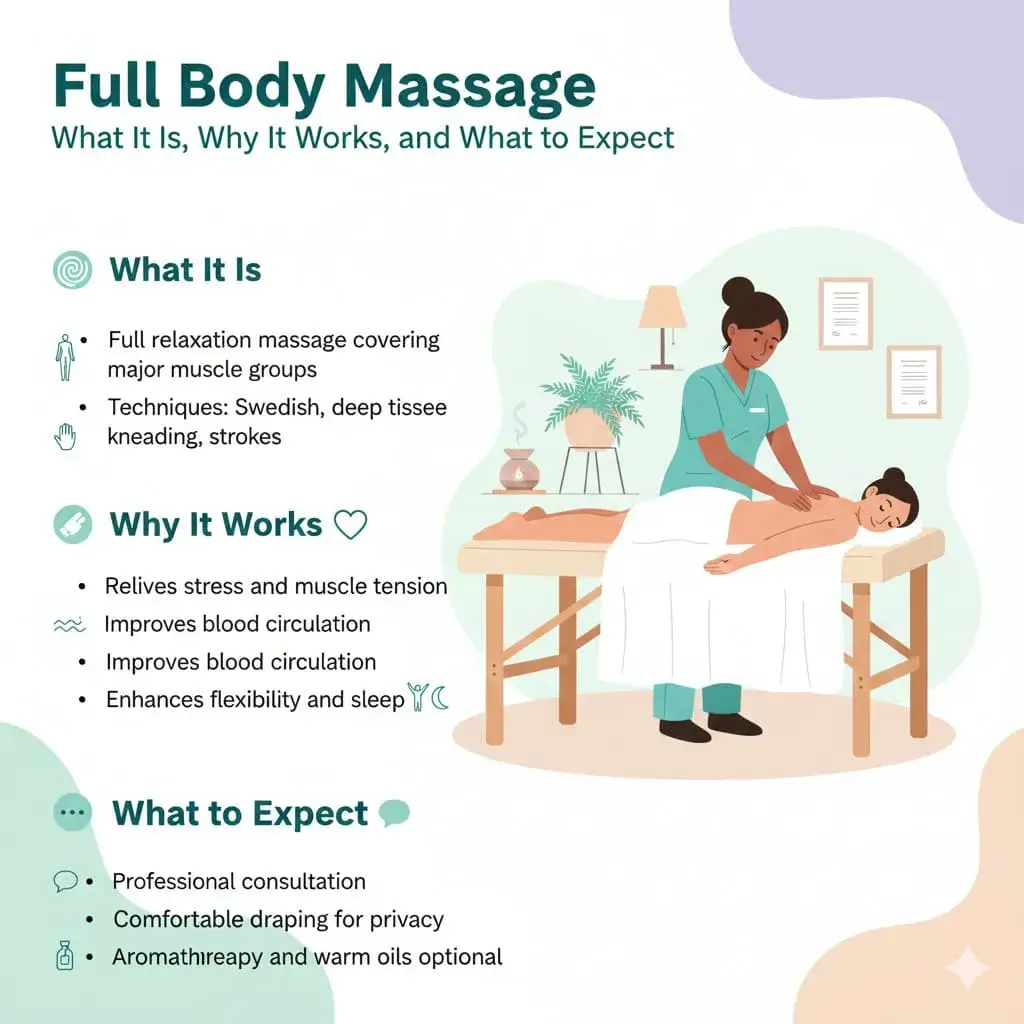
Full Body Massage: What It Is, Why It Works, and What to Expect
What is full body massage? Learn the benefits, best types for your needs, and what to expect. Expert tips from trained therapists for your session.
Massage Services in Other Cities

Professional Home Massage in Mumbai
Professional home massage in Mumbai. {{therapist_count}}+ verified therapists, same-day booking, 40+ areas covered. Swedish, deep tissue & Thai massage. Book now.

Professional Home Massage in Delhi NCR
Professional home massage in Delhi NCR. {{therapist_count}}+ verified therapists offering same-day booking across 50+ areas including Gurgaon, Noida, and CP. Book now.

Professional Home Massage in Bangalore
Professional home massage in Bangalore. {{therapist_count}}+ verified therapists, same-day booking across 50+ areas. Koramangala, Whitefield, HSR Layout. Book now.

Professional Home Massage in Pune
Professional home massage in Pune. {{therapist_count}}+ verified therapists offering same-day booking across 40+ areas. Koregaon Park, Baner, Hinjewadi. Book now.