
Back Massage Benefits: Relief for Pain, Tension & Posture
Your Complete Guide to Back Care Through Massage
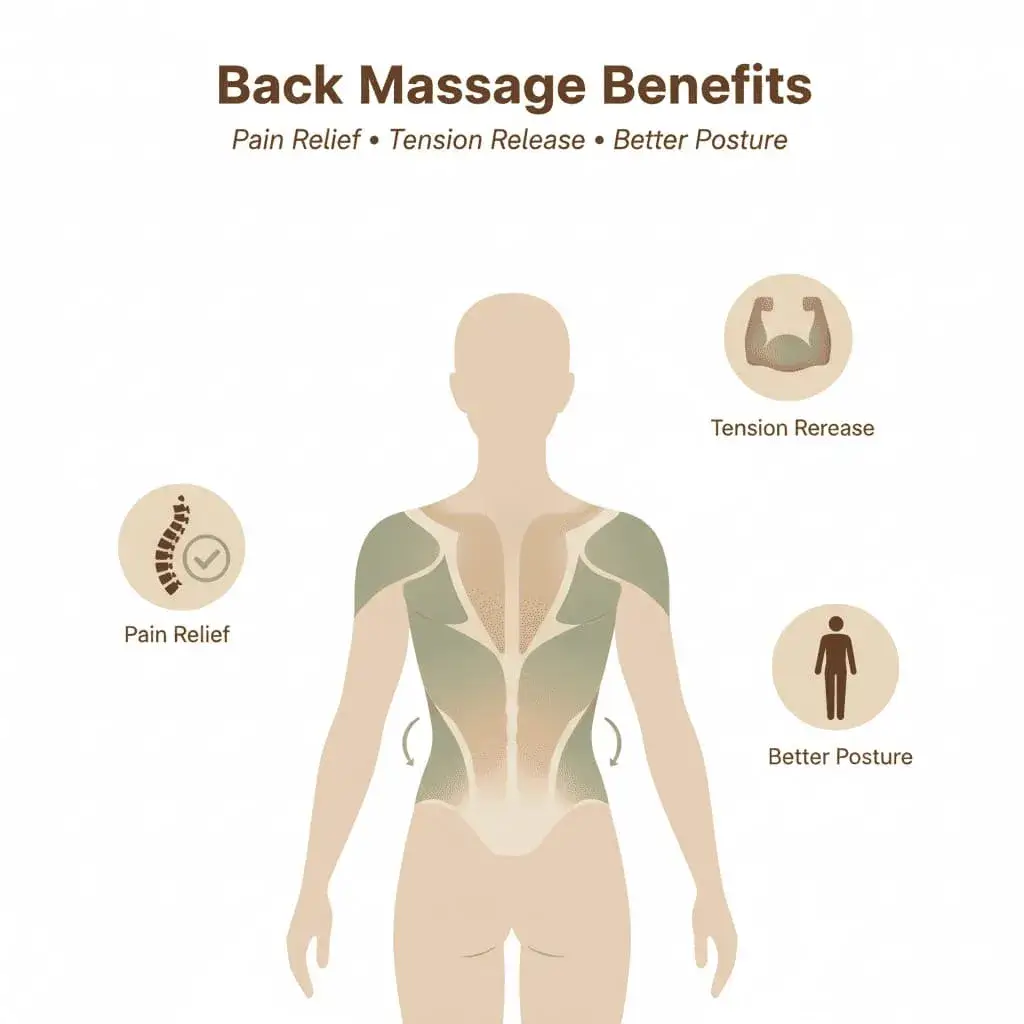
If you've ever reached behind to rub a sore spot between your shoulder blades, you already understand the instinct behind back massage. That urge to press, knead, and release the tension that builds up in our backs is practically universal. And for good reason: the back bears an enormous burden, supporting us through every movement while absorbing the stress of modern life.
Back pain affects roughly 80% of adults at some point in their lives, making it one of the most common health complaints worldwide. While there's no magic cure, back massage stands out as one of the most effective, accessible ways to manage pain, release tension, and improve how your back functions day to day. Here's what you need to know about making back massage work for you.
Back Massage Benefits at a Glance
Pain Relief
How massage relieves pain through improved circulation and deep tissue work.
Better Posture
Release tight muscles for natural spine alignment - full-body benefits for desk workers.
Stress Release
Upper back tension from emotional stress + nervous system effects melt away.
Athletic Recovery
Sports massage for post-workout recovery; optimal session duration matters.
Why Your Back Needs Regular Attention
Your back isn't just one thing; it's a complex system of muscles, bones, ligaments, and nerves working together constantly. The spine alone contains 33 vertebrae, and surrounding it are layers of muscles that control everything from turning your head to bending forward to pick something up.
Modern life puts unusual demands on this system. We sit for hours in positions our bodies weren't designed for, hunch over phones, carry stress in our shoulders, and often skip the movement that keeps back muscles healthy. The result? Tight muscles, compressed discs, poor posture, and pain that ranges from mild annoyance to debilitating.
How Back Massage Actually Helps
Back massage isn't just about feeling good (though it certainly does). There are specific physiological mechanisms that explain why skilled hands on a sore back provide such significant relief.
Releasing Muscle Tension
When muscles stay contracted for extended periods, they develop what therapists call "trigger points," hyperirritable spots that cause local and referred pain. Deep tissue massage techniques apply sustained pressure to these points, encouraging the muscle fibers to release and return to their normal resting length.
The kneading and stroking motions also increase blood flow to tight areas. Better circulation means more oxygen and nutrients reach the muscles while metabolic waste products are carried away. This accelerates recovery and reduces the soreness that comes from overworked muscles.
Breaking the Pain Cycle
Back pain often creates a vicious cycle: pain causes muscles to tense protectively, which creates more pain, which causes more tension. Massage interrupts this cycle by reducing muscle guarding and promoting relaxation. When muscles finally release their protective grip, pain levels drop significantly.
Improving Flexibility and Range of Motion
Tight back muscles restrict movement. You might notice you can't turn as far, bend as easily, or reach as high as you once could. Regular massage keeps muscles supple and fascia (the connective tissue surrounding muscles) mobile, maintaining the flexibility your back needs to function well.
Supporting Better Posture
Poor posture often results from muscle imbalances: some muscles too tight, others too weak. Massage addresses the tight side of this equation. When chronically shortened muscles release, your body can more easily find its natural alignment. Combined with strengthening exercises, this creates lasting postural improvement.
Specific Benefits by Back Region
Different areas of the back face different challenges and respond to massage in specific ways. Understanding these distinctions helps you communicate with your therapist and set realistic expectations.
Upper Back and Shoulders
The upper back, particularly the trapezius muscles running from your neck to your shoulders, bears the brunt of stress and desk work. This area tends to hold emotional tension as well as physical strain. Common issues include:
- Rounded shoulders from forward-leaning postures - understand posture mechanics
- Knots between the shoulder blades (rhomboid tension) - addressed through deep tissue
- Neck stiffness that radiates into upper back - often benefits from head massage
- Tension headaches originating from tight upper back muscles
Massage to this area focuses on releasing the trapezius, rhomboids, and levator scapulae muscles. Many people experience immediate relief from shoulder tightness and improved ability to turn their head after treatment.
Mid Back (Thoracic Region)
The mid back provides stability while allowing rotation. It's attached to your rib cage, which limits flexibility but also means tension here affects breathing. People often describe mid-back tightness as feeling like they "can't take a deep breath."
- Stiffness from prolonged sitting - especially for desk workers
- Tension affecting breathing depth - massage can help
- Pain between shoulder blades
- Postural kyphosis (excessive rounding) - understand posture mechanics
Massage here often includes work on the intercostal muscles between ribs, which can dramatically improve breathing and chest expansion.
Lower Back (Lumbar Region)
The lower back carries the most load and has the most mobility, making it vulnerable to both strain and chronic pain. Lower back issues are the leading cause of disability worldwide, affecting people across all age groups and occupations. Regular massage frequency helps manage these issues.
- Muscle strain from lifting or sudden movements - especially for active individuals
- Chronic tightness in the quadratus lumborum (side muscles) - requires deep tissue work
- Sciatic nerve irritation causing pain down the leg
- Sacroiliac joint dysfunction - benefits from targeted techniques
- General stiffness and reduced flexibility - improves with consistent sessions
Research-Backed Benefits of Back Massage
The benefits of back massage aren't just anecdotal. A growing body of research supports its effectiveness for various conditions:
A study published in the Annals of Internal Medicine (Cherkin et al., 2011) found that massage therapy was more effective than usual medical care for chronic low back pain, with participants receiving weekly massage showing significant improvement in function and reduction in pain that persisted for at least six months.
| Condition | Research Finding | Typical Response Time |
|---|---|---|
| Chronic low back pain | Significant pain reduction vs. usual care | 4-10 weekly sessions |
| Muscle tension | Immediate reduction in muscle tightness | Single session, cumulative with repeat |
| Stress-related back pain | Reduced cortisol, improved symptoms | 1-4 sessions |
| Post-exercise soreness | Faster recovery, reduced DOMS | Within 24-72 hours |
| Anxiety affecting back tension | Reduced anxiety scores, muscle relaxation | Immediate and cumulative |
| Range of motion limitations | Improved flexibility measurements | 4-8 sessions |
Best Massage Techniques for Back Pain
Not all massage approaches work equally well for back issues. The right technique depends on your specific condition, pain level, and treatment goals.
Swedish Massage
Swedish massage uses long, flowing strokes combined with kneading and circular movements. It's excellent for general tension relief, stress reduction, and introducing your body to massage if you're new to it.
- Best for: General tension, stress relief, relaxation
- Pressure: Light to moderate
- Good choice if: You prefer gentler work or are massage-sensitive
Deep Tissue Massage
Deep tissue massage targets the deeper layers of muscle and fascia using slower strokes and more intense pressure. It's particularly effective for chronic tension patterns and adhesions that don't respond to lighter work.
- Best for: Chronic tension, deep knots, scar tissue
- Pressure: Moderate to firm
- Good choice if: You have stubborn tension that persists despite lighter massage
Trigger Point Therapy
This technique focuses specifically on trigger points, those tender spots that cause pain locally and in referred patterns. Understanding how this works helps explain why therapists apply sustained pressure to each point until it releases, which can provide dramatic relief for specific pain patterns. Regular sessions often needed for chronic trigger points.
- Best for: Specific pain points, referred pain patterns, chronic knots
- Pressure: Moderate to firm, sustained
- Good choice if: You can point to exactly where it hurts - pairs well with deep tissue
Myofascial Release
Myofascial release targets the fascia, the connective tissue web surrounding muscles. Using sustained pressure and stretching, this technique addresses restrictions that limit movement and contribute to pain. Learn how duration affects results - it's often slower and can feel less intense than deep tissue work.
- Best for: Movement restrictions, widespread tightness, postural issues
- Pressure: Light to moderate, sustained
- Good choice if: Your back feels "stuck" or you have limited range of motion
Sports Massage
Sports massage combines various techniques to address athletic demands on the back. It can be more vigorous and includes stretching components. You don't have to be an athlete to benefit; anyone with an active lifestyle may find it helpful for post-workout recovery.
- Best for: Athletic recovery, flexibility, injury prevention
- Pressure: Variable, often firm
- Good choice if: You exercise regularly or have activity-related back strain
Who Benefits Most from Back Massage?
While almost everyone can benefit from back massage, certain groups find it particularly valuable:
Office and Desk Workers
If you spend hours at a computer, your back pays the price. The forward head position, rounded shoulders, and compressed lower back that come with desk work create predictable tension patterns. IT professionals and desk workers particularly benefit from regular massage to counter these effects and prevent chronic problems.
People with Chronic Back Pain
For those living with ongoing back pain, massage offers a drug-free way to manage symptoms and improve quality of life. While it's not a cure, consistent treatment can significantly reduce pain levels and improve daily function.
Physically Active Individuals
Athletes, gym-goers, and those with physically demanding jobs put extra stress on their backs. Sports massage aids recovery, maintains flexibility, and helps catch minor issues before they become injuries. See our post-workout massage guide for optimal timing.
Stress Carriers
If you notice your shoulders creeping toward your ears when stressed, you're a "stress carrier." Your body stores emotional tension as physical tension, typically in the upper back and shoulders. Regular massage helps release this accumulated stress before it causes lasting problems.
Older Adults
Age-related changes like decreased flexibility, joint stiffness, and reduced muscle mass make backs more vulnerable to discomfort. Gentle, regular massage helps maintain mobility and manage the aches that often accompany aging, helping you maintain independence and quality of life.
How Often Should You Get Back Massage?
The ideal frequency depends on your goals, current condition, and budget. Here's a practical guide:
| Situation | Recommended Frequency | Notes |
|---|---|---|
| Acute pain or injury | 2-3 times per week initially | Reduce as symptoms improve; coordinate with medical care |
| Chronic back pain | Weekly for 4-8 weeks, then biweekly | Consistency matters more than intensity |
| Stress-related tension | Every 1-2 weeks | Adjust based on stress levels |
| General maintenance | Monthly | Prevents buildup of tension |
| Desk workers (prevention) | Every 2-3 weeks | More frequent during high-workload periods |
| Athletes (recovery) | Weekly during training, more around events | Part of comprehensive recovery routine |
Most people see the best results when they start with more frequent sessions to address existing issues, then transition to less frequent maintenance. Skipping months between sessions means starting over each time rather than building on previous progress.
What to Expect During a Back Massage Session
Knowing what happens during a session helps you relax and get the most from your treatment. Understanding how massage works on the back can enhance your experience and results.
Before Your Session
- Communicate your pain locations, intensity, and goals - see our massage etiquette guide
- Mention any injuries, surgeries, or medical conditions
- Discuss pressure preferences (you can adjust during the session too)
- Avoid heavy meals right before; light eating is fine
During the Session
You'll typically lie face-down on a massage table with your back exposed. The therapist will use oil or lotion to reduce friction and work systematically through different back areas. Sessions focused on the back usually last 30-60 minutes, though full-body sessions incorporating back work may be longer.
Communication is critical for massage safety and effectiveness. "Good pain" (the feeling of a knot releasing or muscle being worked) is normal, but sharp or nerve-type pain isn't. Speak up about pressure preferences; a skilled therapist welcomes feedback and adjusts accordingly. This is one reason clear pre-massage communication matters so much.
After Your Session
- Drink water to support muscle recovery
- Mild soreness for 24-48 hours is normal, especially after deep tissue work
- Avoid intense exercise immediately after; gentle movement is okay
- Take note of what technique worked best for future sessions
- Stretch gently if it feels good; your muscles are most responsive now
Maximizing Your Results: Beyond the Massage Table
Massage provides significant benefits, but what you do between sessions affects how long those benefits last. These practices extend and enhance your results:
Movement and Stretching
- Take breaks from sitting every 30-60 minutes to prevent deconditioning
- Simple stretches for chest, hip flexors, and hamstrings help restore posture and flexibility
- Walking keeps back muscles engaged without straining them
- Yoga or Pilates builds core strength that supports spinal stability, enhancing massage benefits
Workstation Setup
For desk workers, proper ergonomics prevent many back problems before they start:
- Monitor at eye level to prevent forward head posture
- Chair supporting natural spine curves
- Feet flat on floor or footrest
- Keyboard and mouse positioned to keep shoulders relaxed
Self-Massage Between Sessions
You can maintain benefits between professional sessions with simple self-care techniques:
- Tennis ball against a wall for upper back trigger points - a simple self-massage technique
- Foam roller for mid and upper back (avoid lower back rolling) to release fascial restrictions
- Gentle stretching when muscles feel tight
- Heat application for muscle relaxation
When Massage Might Not Be Enough
While massage helps many back conditions, some situations require additional care. Consider seeing a healthcare provider if:
- Pain persists despite regular massage
- Symptoms include numbness, tingling, or weakness
- Pain significantly limits daily activities
- You have underlying conditions like osteoporosis or spinal stenosis
- Pain followed a specific injury or accident
Massage works well alongside other treatments: physical therapy, chiropractic care, or medical management. Your massage therapist can coordinate with other healthcare providers for comprehensive care.
Frequently Asked Questions
How long should a back massage session be?
Is it normal to feel sore after a back massage?
Can massage fix my posture?
How quickly will I feel results from back massage?
Is deep tissue massage always better for back pain?
Can I get a back massage if I have a herniated disc?
Why does my back hurt more after sitting than standing?
Should I stretch before or after back massage?
Taking Care of Your Back for the Long Term
Your back does remarkable work every day, and it deserves regular care, not just attention when something goes wrong. Back massage isn't a luxury; for many people, it's a practical tool for maintaining function, managing pain, and preventing problems from developing or worsening.
The key is consistency. Occasional massage when pain becomes unbearable helps in the moment but doesn't create lasting change. Regular sessions, matched to your needs and lifestyle, build on each other to keep your back functioning well over time.
Whether you're dealing with chronic pain, recovering from a long workday, or simply want to maintain a healthy back, massage offers proven benefits worth exploring. Your back supports everything you do. Supporting it in return makes good sense.
Related Articles
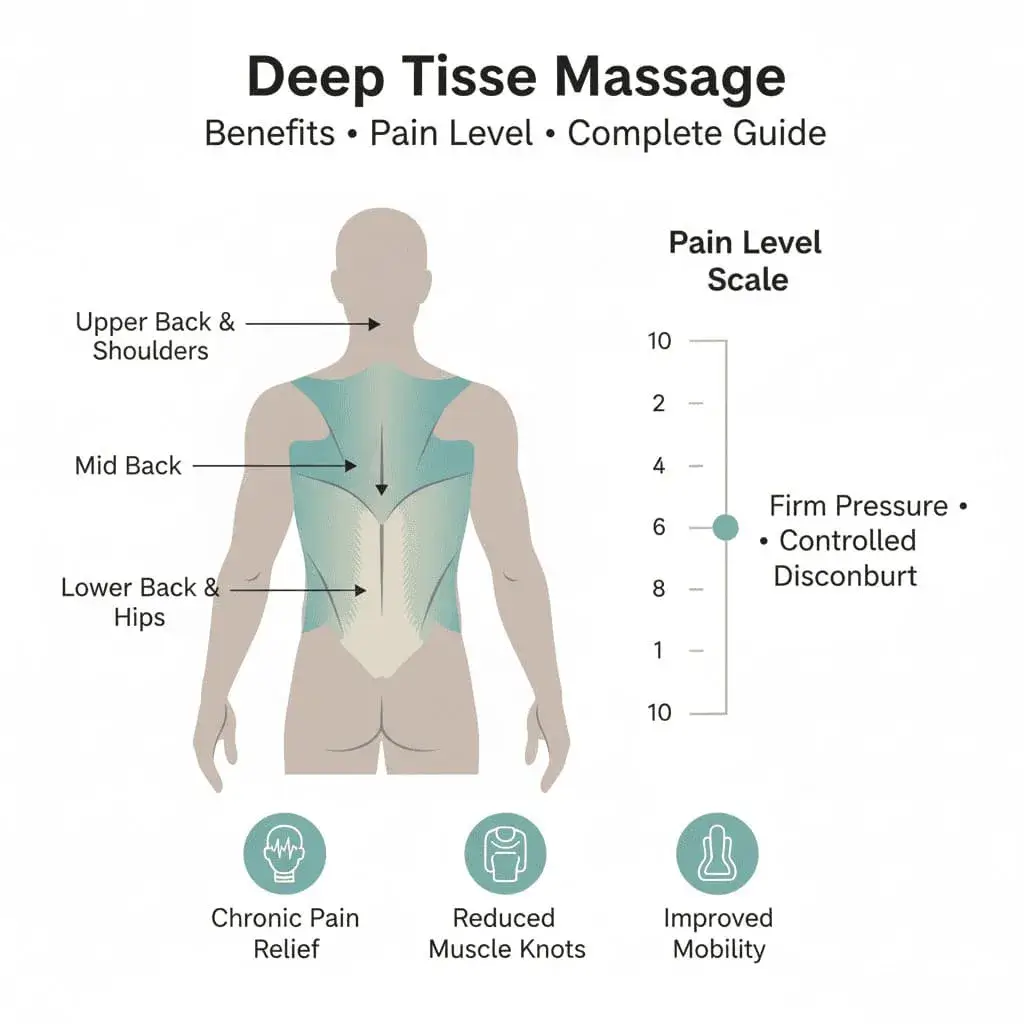
Deep Tissue Massage: Benefits, Pain Level & What to Expect
Learn what deep tissue massage really feels like, its proven benefits for chronic pain and tension, and how to know if it's right for you. Expert guide.
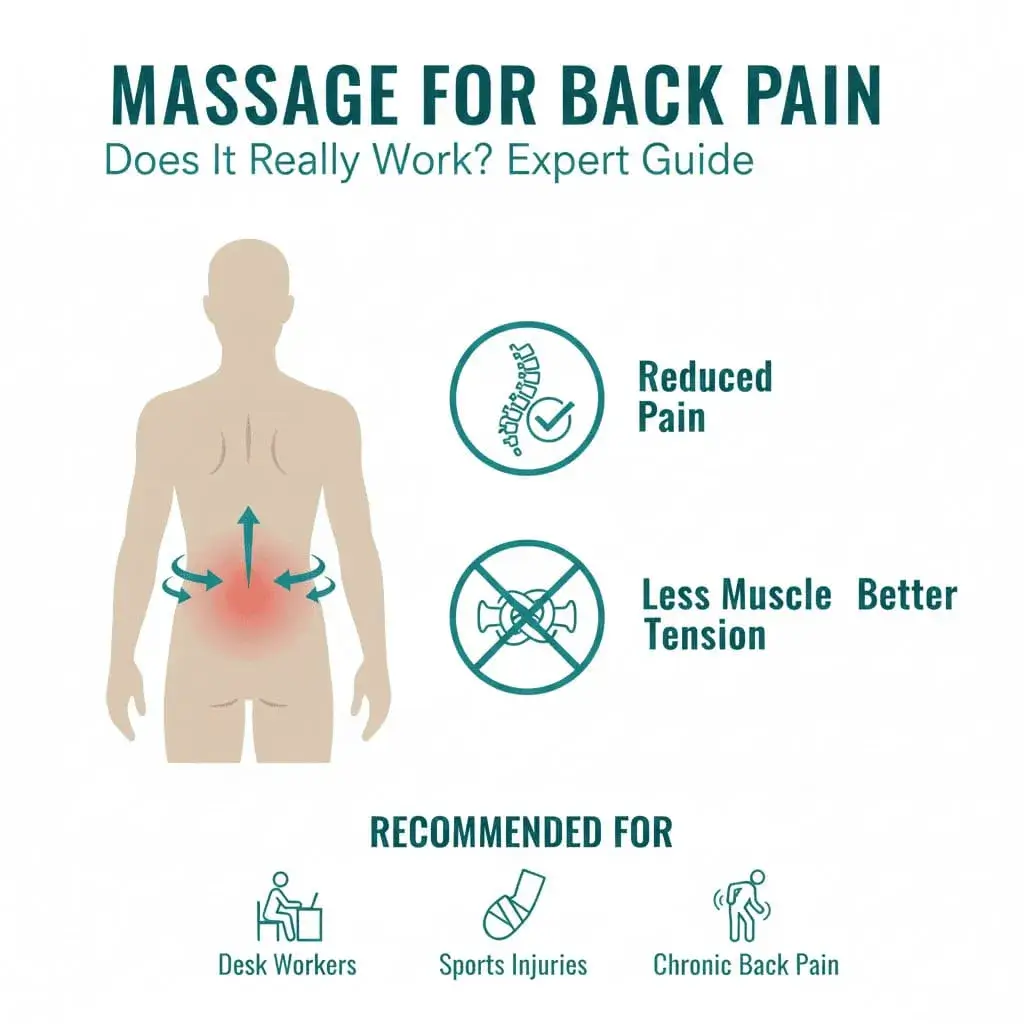
Massage for Back Pain: Does It Really Work? Expert Guide
Does massage therapy help back pain? Evidence-based guide on the best massage types, research findings, when to seek treatment, and realistic results.
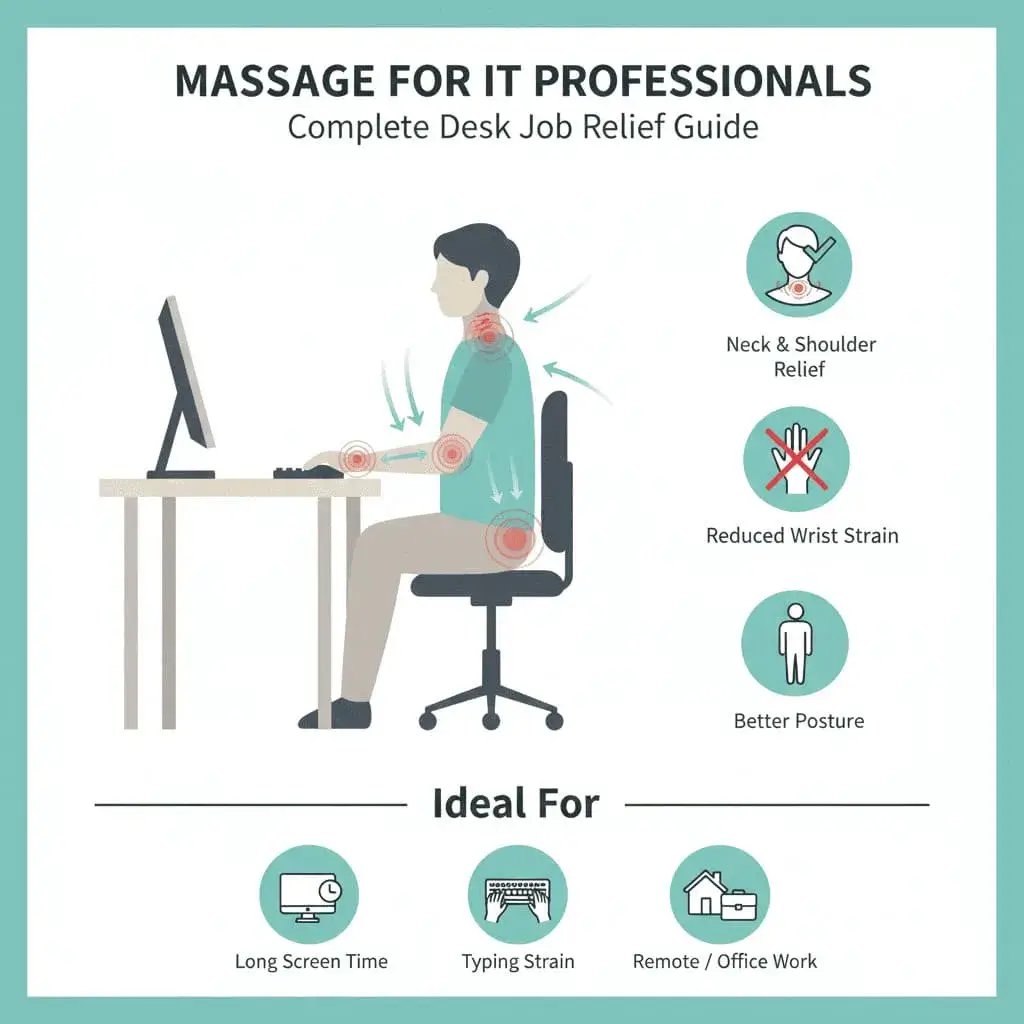
Massage for IT Professionals: Complete Desk Job Relief Guide
Massage therapy for IT professionals and desk workers. Relieve neck pain, back tension, wrist strain, and chronic stress from long coding hours.
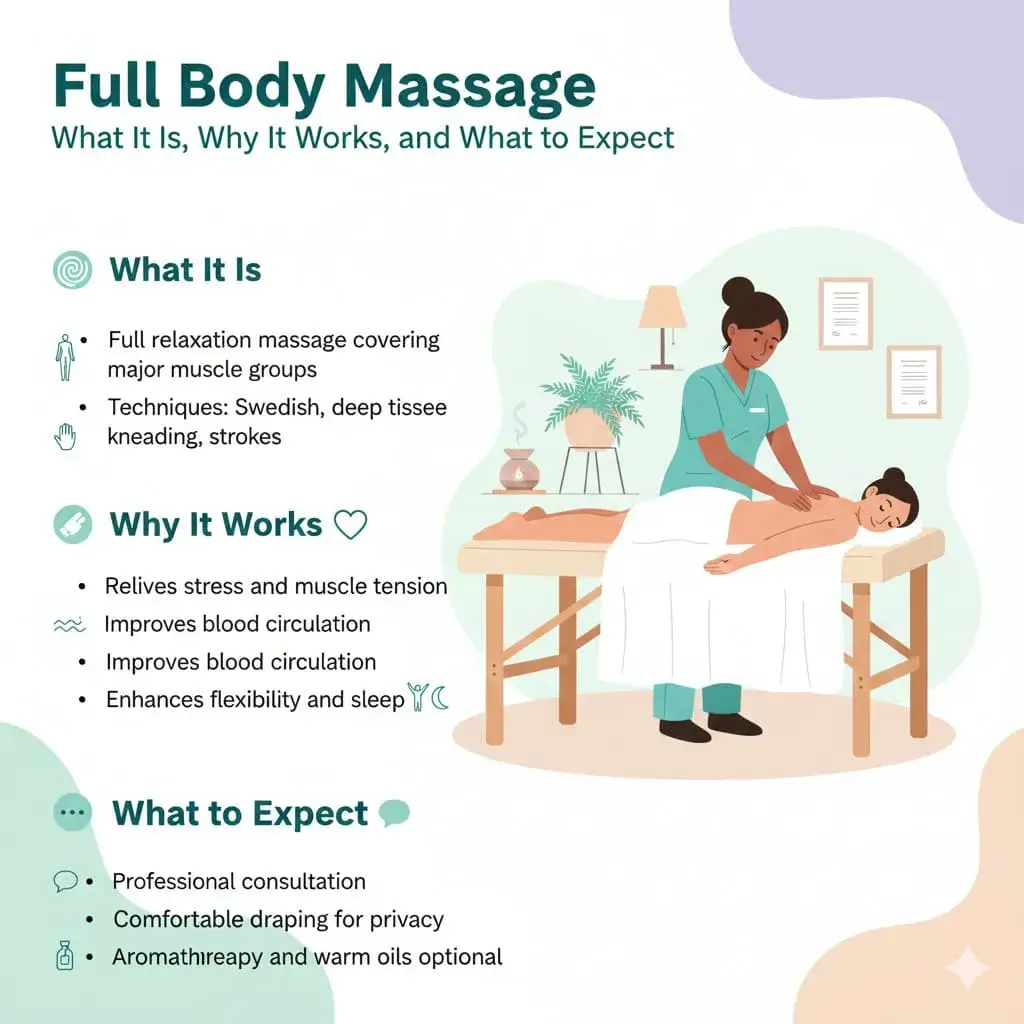
Full Body Massage: What It Is, Why It Works, and What to Expect
What is full body massage? Learn the benefits, best types for your needs, and what to expect. Expert tips from certified therapists for your session.
Massage Services in Other Cities

Professional Home Massage in Mumbai
Professional home massage in Mumbai. {{therapist_count}}+ verified therapists, same-day booking, 40+ areas covered. Swedish, deep tissue & Thai massage. Book now.

Professional Home Massage in Delhi NCR
Professional home massage in Delhi NCR. {{therapist_count}}+ verified therapists offering same-day booking across 50+ areas including Gurgaon, Noida, and CP. Book now.

Professional Home Massage in Bangalore
Professional home massage in Bangalore. {{therapist_count}}+ verified therapists, same-day booking across 50+ areas. Koramangala, Whitefield, HSR Layout. Book now.

Professional Home Massage in Hyderabad
Professional home massage in Hyderabad. {{therapist_count}}+ verified therapists, same-day booking, 30+ areas covered. Swedish, deep tissue & Thai massage. Book now.