
Full Body Massage: What It Is, Why It Works, and What to Expect
A practical guide from trained massage therapists
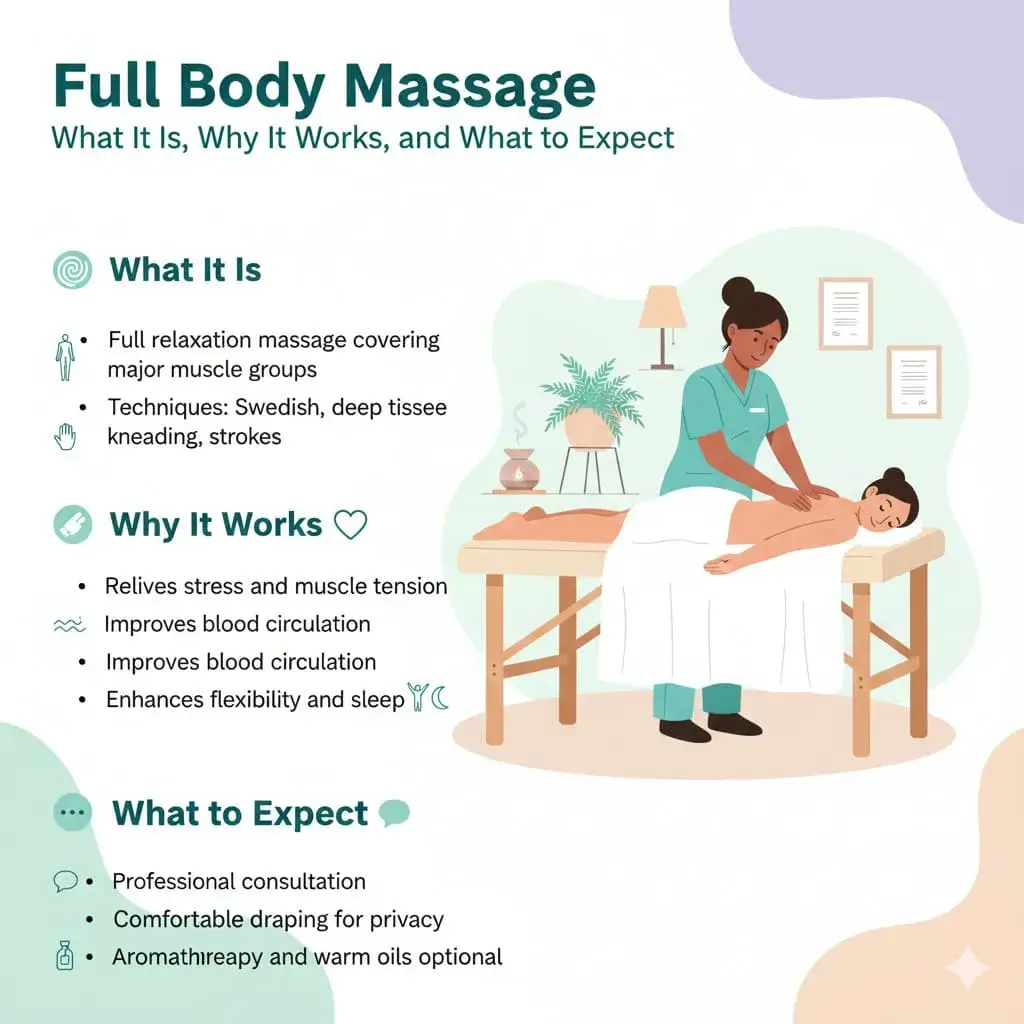
You've probably heard people rave about how good they felt after a full body massage. Maybe a colleague mentioned it helped their back pain, or a friend said it finally fixed their sleep issues. But what actually happens during one? And is it worth your time?
Here's the short answer: a full body massage works on your entire body - head to toe - using specific techniques to release muscle tension, improve blood flow, and help you relax. The longer answer involves understanding why it works, what type suits you best, and how to get the most out of your session.
What Exactly Is a Full Body Massage?
A full body massage covers your major muscle groups from neck to feet. Unlike a targeted massage that focuses on one problem area (like a sore shoulder), this approach treats your body as a connected system. Tension in your lower back might actually be causing your neck stiffness - a full body session addresses both.
Areas Covered in a Typical Session
Most sessions follow a logical flow, working through your body systematically:
- Back and shoulders - where most people hold tension from sitting. Learn about back massage benefits
- Neck and head - including scalp massage for headache relief
- Arms and hands - often neglected but important for desk workers
- Legs and feet - calves, thighs, and foot reflexology points
- Glutes and hips - major tension holders, especially after long commutes
How Long Does It Take?
Session lengths typically range from 60 to 120 minutes. Here's how they compare:
| Duration | Coverage | Best For |
|---|---|---|
| 60 minutes | All major areas, lighter work | Maintenance, first-timers, busy schedules |
| 90 minutes | Full coverage, deeper work on problem areas | Regular sessions, moderate tension |
| 120 minutes | Complete treatment including extras | Chronic issues, recovery, special occasions |
Why Full Body Massage Actually Works
There's a reason you feel so much better after a massage - it's not just placebo. Your body undergoes measurable changes when skilled hands work on your muscles.
The Muscle Response
When pressure is applied to tight muscles, something interesting happens. The mechanoreceptors in your muscle tissue send signals to your brain, which then tells those muscles to relax. This is why a knot that felt rock-hard starts softening within minutes of targeted pressure.
At the same time, blood flow increases to the massaged area - sometimes by as much as 40%. This brings fresh oxygen and nutrients while flushing out metabolic waste like lactic acid (that stuff that makes muscles feel stiff after a workout).
"In my experience working with desk workers, the first 15-20 minutes are crucial. That's when the nervous system shifts from stress mode to relaxation mode. Clients often say their breathing changes - it gets deeper and slower. That's your body letting go."
The Stress Hormone Drop
Cortisol is your body's primary stress hormone. Useful in emergencies, but problematic when it stays elevated for weeks (hello, work deadlines). Research reviews show massage can lower cortisol levels, though the size of the effect varies from person to person.
What goes up as cortisol goes down? Serotonin and dopamine - your feel-good chemicals. Studies suggest massage can support these mood chemicals, though results differ between people. That's partly why you feel almost euphoric after a good session - and why massage improves sleep quality.
Beyond Relaxation: Physical Benefits
- ✓Reduced muscle tension - knots and tightness physically release
- ✓Improved flexibility - muscles and fascia become more pliable (especially with Thai massage)
- ✓Better circulation - enhanced blood and lymph flow
- ✓Pain relief - temporary reduction in chronic pain symptoms
- ✓Sleep improvement - easier to fall asleep and stay asleep
Types of Full Body Massage: Which One Suits You?
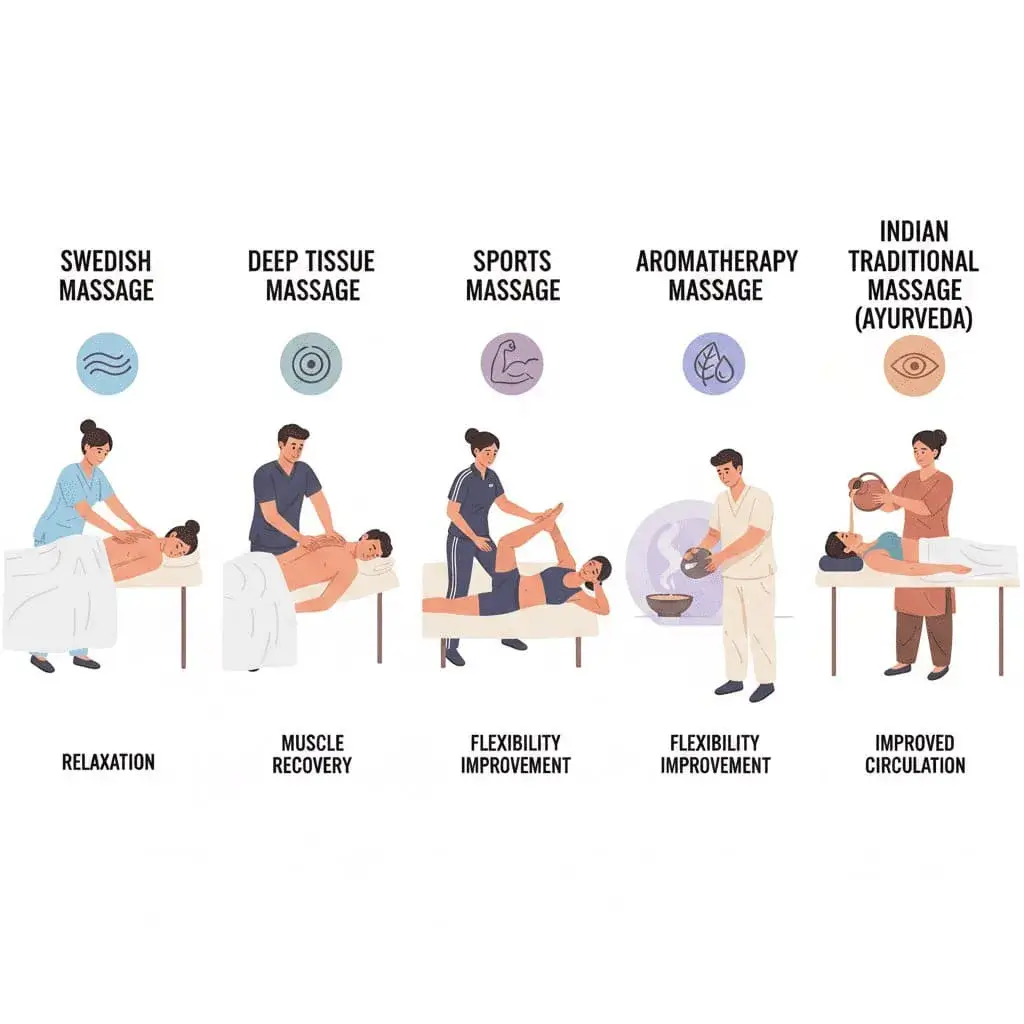
Not all massages feel the same. Some are gentle and flowing, others go deep into muscle tissue. Here's how to pick the right style for your needs. See our complete guide to massage types.
Swedish Massage
The most popular type worldwide, and for good reason. Swedish massage uses long, flowing strokes combined with kneading and circular movements. Pressure is light to medium - firm enough to work on muscles, gentle enough that it won't hurt.
Best for: First-timers, stress relief, general relaxation, people who prefer lighter touch.
Deep Tissue Massage
Goes beyond the surface muscles to target deeper layers of tissue. Deep tissue massage uses slower strokes with more pressure, often working across the grain of muscles. It can feel intense - not painful, but you'll definitely feel it working.
Best for: Chronic muscle tension, recovery from injuries, athletes, people who don't mind (or prefer) firm pressure.
Ayurvedic Massage (Abhyanga)
India's traditional massage style uses warm herbal oils chosen based on your body type (dosha). Ayurvedic massage strokes are rhythmic and flowing, with special attention to marma points - energy centres similar to acupressure points. The oil itself is therapeutic, often containing herbs like ashwagandha or brahmi.
Best for: Those interested in traditional Indian wellness, people who enjoy oil-based massage, anyone looking for a whole-body wellness approach.
Thai Massage
Different from others because you stay clothed and there's no oil. Thai massage uses their hands, elbows, knees, and feet to move you into yoga-like stretches while applying pressure. It's often called "lazy person's yoga."
Best for: People who want more stretching than kneading, those uncomfortable with oil, anyone who feels stiff and inflexible. Great for post-workout recovery.
Quick Comparison
| Type | Pressure | Oil Used | Good For |
|---|---|---|---|
| Swedish | Light-Medium | Yes | Relaxation, first-timers |
| Deep Tissue | Firm-Intense | Yes | Chronic tension, athletes |
| Ayurvedic | Medium | Yes (warm, herbal) | Traditional wellness |
| Thai | Medium-Firm | No | Flexibility, stretching |
What Happens During a Full Body Massage Session
If you've never had a professional massage, knowing what to expect removes the awkwardness. Here's the typical flow:
Your Session Flow
What Happens During Your Session
Consultation & Setup (5-10 min)
Brief discussion about problem areas, medical conditions, and your goals. You're shown where to change and get comfortable on the table.
Face-Down Work (25-40 min)
Back, shoulders, neck, and legs are worked on while you lie face-down. Professional draping keeps you covered except for the area being massaged.
Turn & Continue (25-40 min)
You flip over for work on arms, hands, front of legs, and optionally neck/scalp. The therapist checks in about pressure throughout.
Wind Down & Aftercare (5 min)
Gentle finishing strokes, time to slowly get up, hydration advice, and recommendations for post-massage care.
After the Session
Take your time getting up - rushing can make you dizzy. You might feel slightly drowsy or deeply relaxed (often called "massage drunk"). This fades within 30 minutes.
- ✓Drink water - helps flush out released metabolic waste
- ✓Avoid intense exercise - wait at least 12 hours, your muscles are in recovery mode
- ✓Expect mild soreness - especially after deep tissue, this is normal and fades in 24-48 hours
- ✓Notice your sleep - many people sleep better the night after a massage
Finding Full Body Massage Services Near You
When searching for full body massage near you, you essentially have two options: visit a spa or salon, or have a therapist come to your home. Both deliver the same professional massage - the difference is where you experience it. Compare home massage vs spa options.
Spa vs Home Massage: Which Is Better?
Spas offer a dedicated environment - ambient lighting, aromatherapy, and you're fully removed from your daily surroundings. For some people, physically leaving home is part of the relaxation ritual.
Body massage at home, on the other hand, eliminates travel time and the post-massage commute. You're already in your comfortable space, and you can shower and rest immediately after without driving anywhere. Many people find they sleep better when they don't have to leave after a session.
| Factor | Spa/Salon | Home Visit |
|---|---|---|
| Convenience | Need to travel | Therapist comes to you |
| Post-massage | Drive home after | Already home, can rest immediately |
| Environment | Dedicated spa ambiance | Your familiar, private space |
| Scheduling | Fixed business hours | Often more flexible timing |
| Privacy | Other clients around | Complete privacy |
What to Look for in a Massage Therapist
Whether you're booking at a spa or for a home visit, these factors matter:
- ✓Certification - Look for recognized qualifications like CIBTAC, ITEC, or equivalent Indian certifications
- ✓Experience - Ask how long they have been practicing and their specializations
- ✓Reviews - Check feedback from other clients if available
- ✓Clear communication - A good therapist asks about your needs and explains what to expect
- ✓Professional standards - Proper draping, hygiene practices, and respect for boundaries
Who Benefits Most from Regular Full Body Massage?
While anyone can benefit from massage, certain lifestyles and conditions see particularly good results.
Desk Workers and IT Professionals
If you spend 8+ hours hunched over a laptop, your body pays the price. Neck strain from looking at screens, shoulder tension from mouse work, lower back pain from sitting - these are practically universal in office jobs. Regular massage directly counteracts these patterns. See our guide for IT professionals.
People with High-Stress Jobs
Deadlines, meetings, targets - modern work keeps your stress response constantly activated. Massage physically shifts your nervous system into relaxation mode. That's why many people report thinking more clearly and sleeping better after sessions.
Athletes and Fitness Enthusiasts
Whether you're training for a marathon or just hitting the gym regularly, massage speeds up recovery. It reduces muscle soreness, improves flexibility, and helps prevent injuries. Many athletes schedule sports massage as part of their training routine, not just when something hurts.
People with Chronic Pain
Conditions like fibromyalgia, chronic back pain, and tension headaches often respond well to regular massage. It's not a cure, but it can reduce symptoms and improve quality of life when used alongside medical treatment. Seniors also benefit significantly.
How Often Should You Get a Full Body Massage?
There's no universal answer - it depends on your goals, lifestyle, and budget. Here's a practical framework. See our detailed frequency guide:
| Goal | Suggested Frequency | Why |
|---|---|---|
| General wellness | Once a month | Maintains benefits without overdoing it |
| High stress job | Every 2 weeks | Prevents tension from building up |
| Chronic pain management | Weekly initially, then taper | More frequent sessions needed for lasting relief |
| Athletic training | 1-2 times per week | Aids recovery between workouts |
| Occasional treat | As desired | Nothing wrong with massage when you feel like it |
"I tell clients to pay attention to when their tension returns. If you feel great for three weeks after a massage and tight by week four, monthly sessions probably work for you. If tension returns after 10 days, you might benefit from more frequent sessions initially."
Benefits compound with consistency. A single massage feels good, but regular sessions create lasting changes in how your body holds tension. Learn more about optimal massage duration.
How to Prepare for Your Full Body Massage
A little preparation helps you get more from your session. See our complete etiquette guide:
- Shower beforehand - Basic hygiene, plus warm water relaxes muscles. Don't apply heavy lotion as it interferes with massage oil
- Avoid heavy meals - Eat 1-2 hours before, not right before. Lying face-down on a full stomach is uncomfortable
- Stay hydrated - Drink water before and after. Dehydrated muscles are harder to work with
- Skip the caffeine - Coffee right before makes it harder to relax
- Arrive early - Rushing in stressed defeats the purpose. Give yourself 10 minutes to settle
- Use the bathroom - A full bladder during massage is distracting
What to Wear
Wear comfortable clothes to arrive. Most people undress to their comfort level - some keep underwear on, some don't. You'll be fully covered except for the area being worked on. If you're getting a Thai massage, wear loose, stretchy clothes since you stay dressed.
Communicate Your Needs
Don't be shy about speaking up. Tell your therapist about:
- Areas that need extra attention
- Areas to avoid (injuries, sensitive spots)
- Pressure preferences
- Any medical conditions or recent surgeries
- Allergies (especially to massage oils or lotions)
Common Questions About Full Body Massage
Is it normal to feel sore after a full body massage?
How much clothing do I remove for a massage?
Can I get a massage if I have high blood pressure?
Why do some people fall asleep during massage?
How is home massage different from going to a spa?
Is tipping expected for massage in India?
Is it OK to get a full body massage every day?
What areas are NOT included in a full body massage?
Is full body massage good for you?
Getting Started with Full Body Massage
Full body massage isn't just about feeling good in the moment (though that's certainly part of it). Regular sessions can genuinely improve how your body feels and functions day-to-day. Less tension, better sleep, improved flexibility - these benefits add up.
Start simple: book a 60-minute Swedish massage, communicate your needs, and see how you feel. If it helps, consider making it a regular part of your wellness routine. Your body does a lot for you - taking care of it isn't indulgence, it's maintenance.
Related Articles
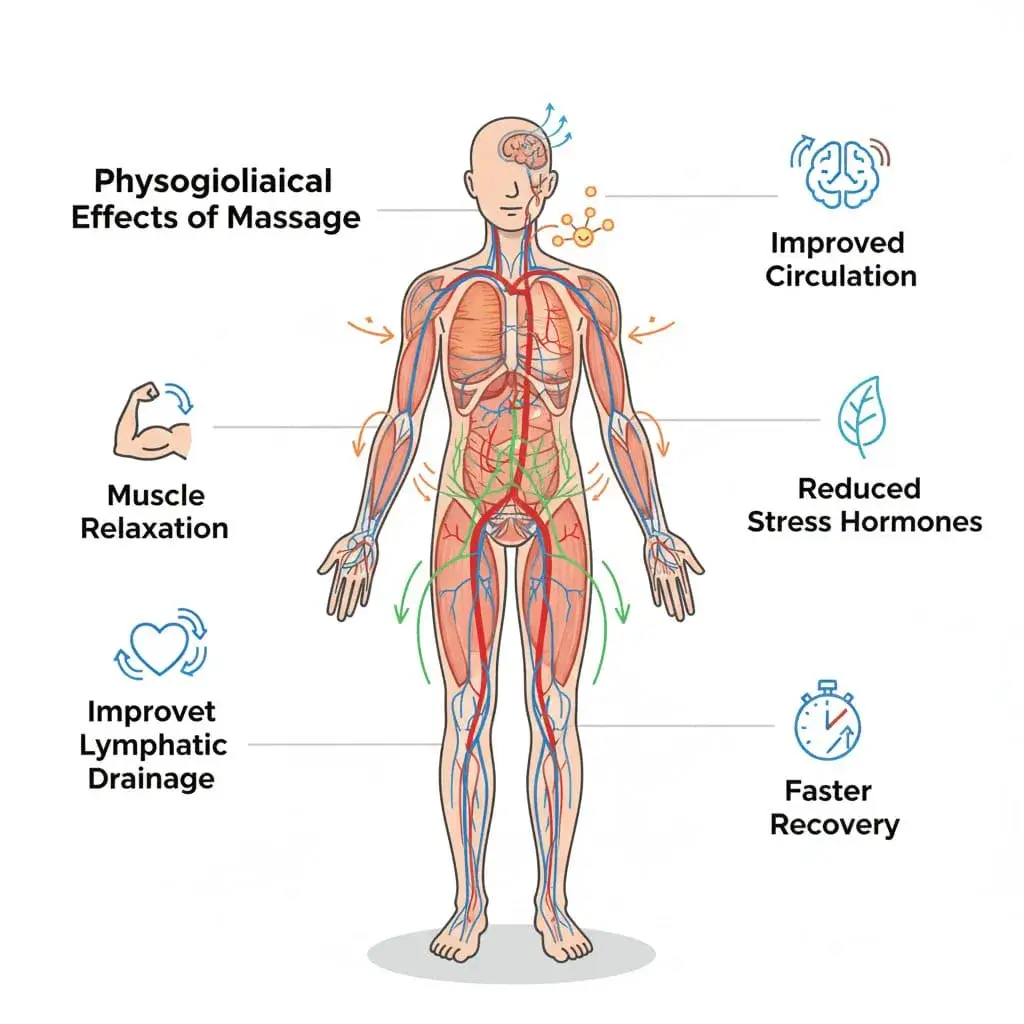
What Does a Massage Do to Your Body? Science-Backed Guide
Discover what actually happens inside your body during a massage. From muscle changes to brain chemistry shifts - the science explained simply.
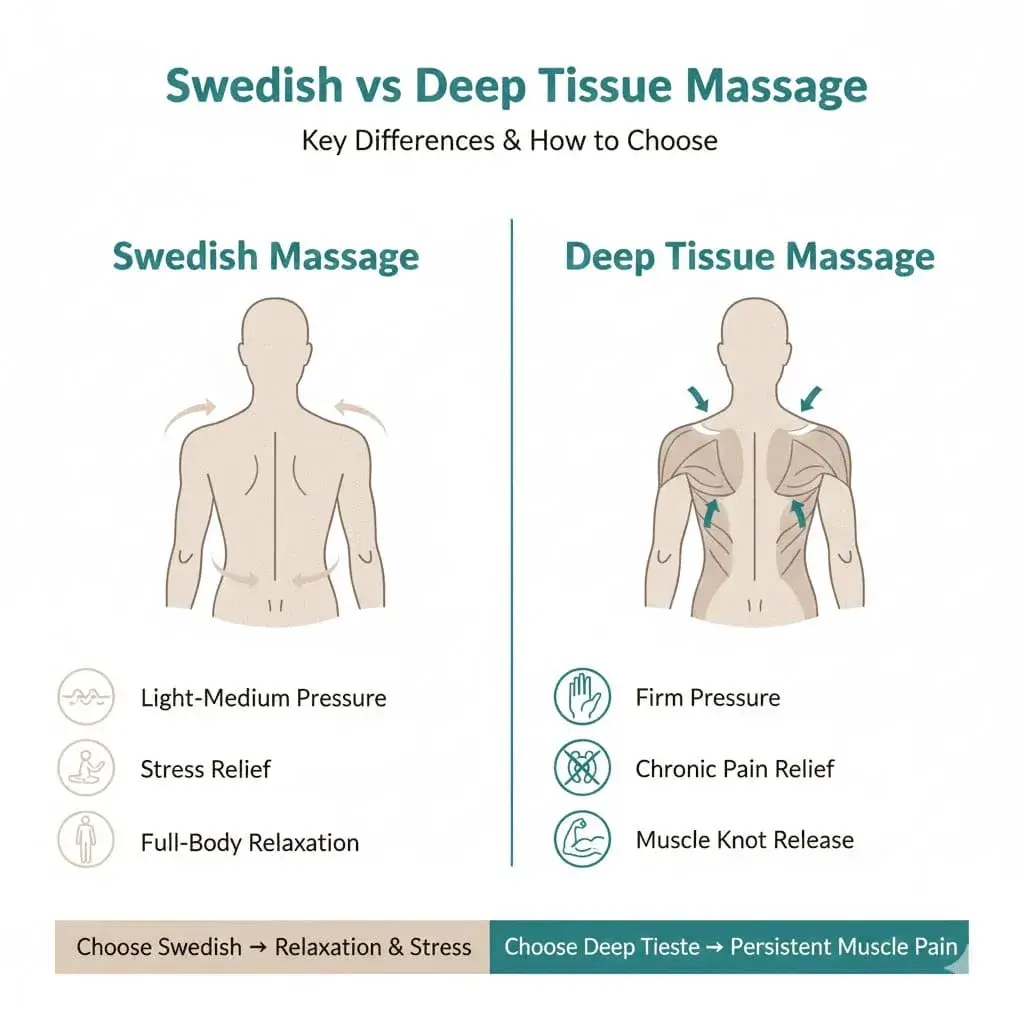
Swedish Massage vs Deep Tissue: Which Is Right for You?
Compare Swedish and deep tissue massage: pressure, techniques, benefits, and who each is best for. Find out which massage type matches your needs.
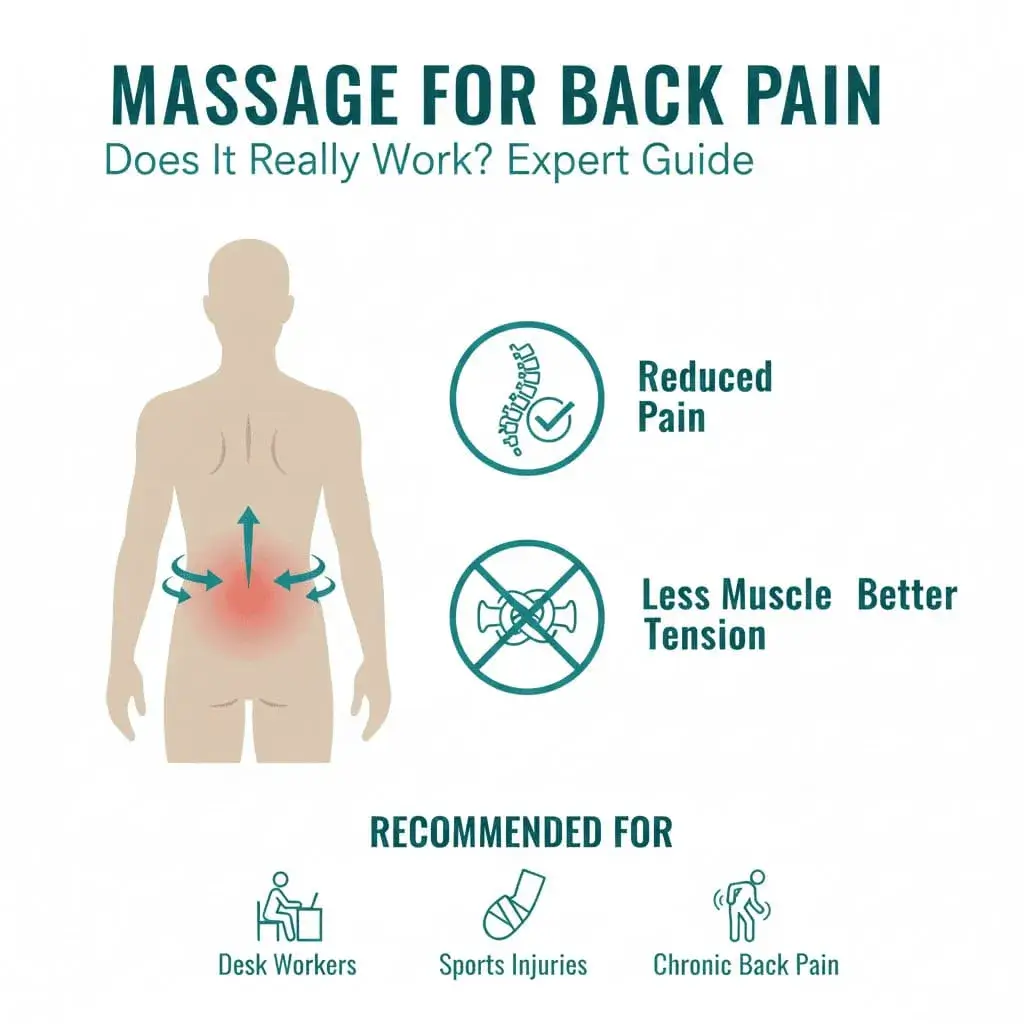
Back Pain Massage at Home: What Works, What to Expect
Yes, massage helps most muscle-related back pain - research agrees. See which massage works, what a home session looks like, and when to see a doctor.
Types of Body Massage in India: How to Choose
Swedish for relaxation, deep tissue for pain, Thai for flexibility - compare the 8 massage types you can book at home in India and pick the right one.
Massage Services in Other Cities

Professional Home Massage in Mumbai
Professional home massage in Mumbai. {{therapist_count}}+ verified therapists, same-day booking, 40+ areas covered. Swedish, deep tissue & Thai massage. Book now.

Professional Home Massage in Bangalore
Professional home massage in Bangalore. {{therapist_count}}+ verified therapists, same-day booking across 50+ areas. Koramangala, Whitefield, HSR Layout. Book now.

Professional Home Massage in Delhi NCR
Professional home massage in Delhi NCR. {{therapist_count}}+ verified therapists offering same-day booking across 50+ areas including Gurgaon, Noida, and CP. Book now.
Professional Home Massage in Pune
Professional home massage in Pune. {{therapist_count}}+ verified therapists offering same-day booking across 40+ areas. Koregaon Park, Baner, Hinjewadi. Book now.