
Thai Massage at Home in India: What to Expect
Ancient Stretching Therapy for Modern Bodies
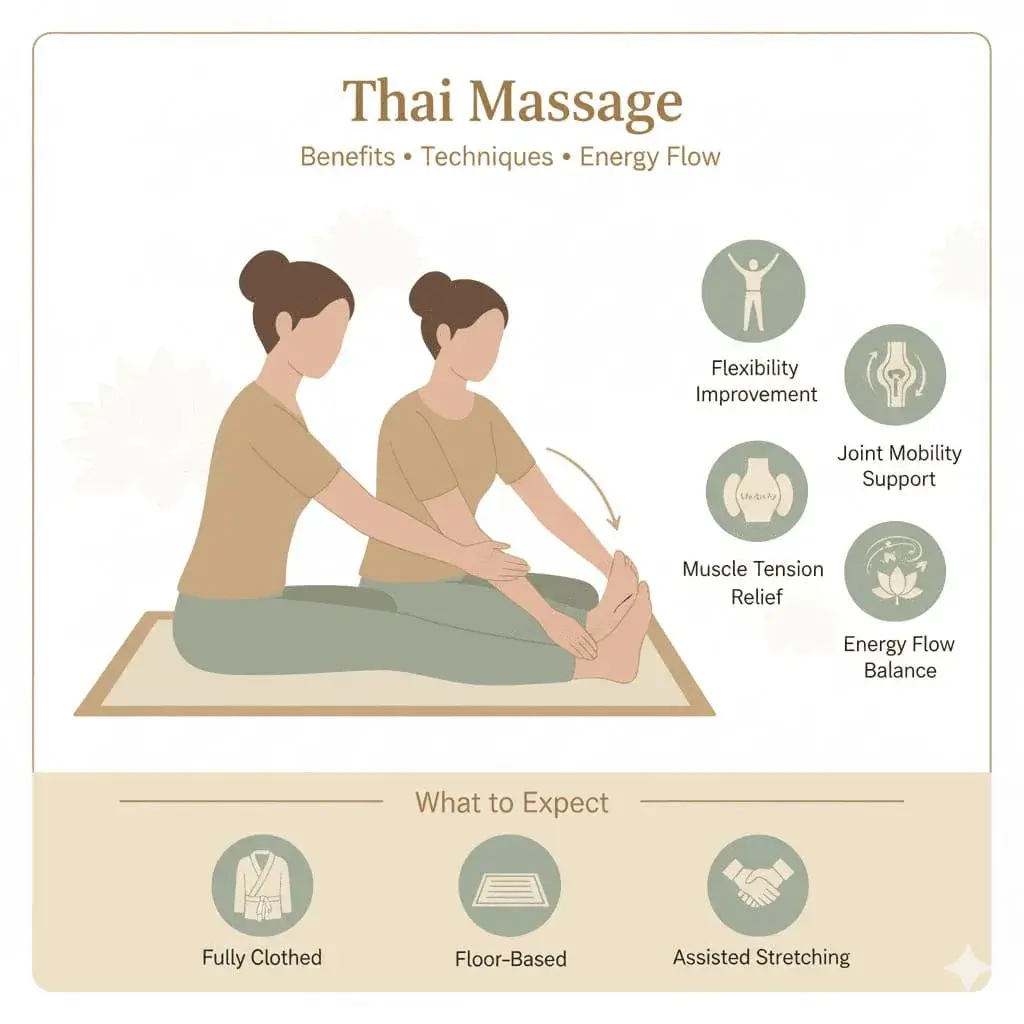
Thai massage looks nothing like the massage you might expect. There's no table. Usually no oil. And you stay fully clothed. Instead, you lie on a padded mat while a practitioner moves your body through a series of stretches, applies rhythmic compression with their hands, elbows, knees, and feet, and essentially gives you a yoga-like massage session, except you don't have to do any of the work.
Often called "lazy person's yoga" or "yoga for people who don't do yoga," Thai massage has been practiced for over 2,500 years. It originated in India, traveled to Thailand with Buddhist monks, and developed into the distinctive practice known today as Nuad Thai, recognized by UNESCO as an Intangible Cultural Heritage of Humanity. Unlike Swedish massage or deep tissue techniques, Thai massage uses your body's full range of motion to deliver benefits.
What Makes Thai Massage Unique
Thai massage stands apart from Western massage styles in almost every way. Understanding these differences helps you know what to expect and whether it matches what your body needs.
| Aspect | Thai Massage | Swedish/Deep Tissue |
|---|---|---|
| Setting | Floor mat or padded surface | Massage table |
| Clothing | Loose, comfortable clothes worn | Undressed under sheet |
| Oil use | Typically none | Oil or lotion applied |
| Primary techniques | Stretching, compression, acupressure | Stroking, kneading, friction |
| Practitioner tools | Hands, thumbs, elbows, knees, feet | Primarily hands and forearms |
| Your role | Passive: you're moved through positions | Passive: you lie still |
| Focus | Energy lines, flexibility, full body | Muscles, tension points |
| Typical duration | 60-120 minutes | 30-90 minutes |
The Three Core Elements
Traditional Thai massage combines three distinct therapeutic approaches:
- Assisted stretching: Your body is moved through yoga-like positions; the practitioner uses their body weight to deepen stretches
- Rhythmic compression: Palms, thumbs, elbows, knees, and feet apply pressure following what the Thai tradition calls the body's energy lines (Sen lines)
- Acupressure: Sustained pressure on specific points based on traditional Sen energy line beliefs, similar to Chinese meridians
These three techniques combine to deliver diverse benefits, from improved flexibility and range of motion to stress reduction and better circulation.
The Sen Line System
In the Thai tradition, the body is believed to have energy pathways called Sen. Traditional teaching describes 72,000 Sen lines, with 10 primary lines receiving the most attention during massage. This is a traditional belief, not a scientific finding: the idea is that blockages in these lines cause physical and emotional problems, and massage helps restore healthy flow.
Whether or not you believe in energy theory, the practical result is a systematic approach that covers the entire body. Every major muscle group, joint, and area receives attention during a full Thai massage session.
Proven Benefits of Thai Massage
Beyond the energy theory, Thai massage produces measurable physical effects that research has begun to document:
1. Significantly Improved Flexibility
The stretching component of Thai massage delivers flexibility benefits similar to yoga, without requiring you to learn poses or push yourself. Studies show that even a single session can increase range of motion, with effects accumulating over multiple sessions.
Research published in the Journal of Bodywork and Movement Therapies (Sooktho et al., 2015) found that Thai massage significantly improved hamstring flexibility in athletes after just three sessions, with effects comparable to stretching exercises.
2. Reduced Muscle Tension and Pain
The combination of compression and stretching addresses muscle tension from multiple angles. Compression increases blood flow and relaxes surface muscles, while stretching lengthens shortened tissues and relieves tension at the attachment points.
Research on Thai massage for back pain shows promising results, with some studies finding it as effective as physical therapy for chronic lower back issues.
3. Increased Energy and Alertness
Unlike Swedish massage styles that leave you sleepy, Thai massage often produces an energized, alert feeling. The physical manipulation, stretching, and pressure point work stimulate circulation and may affect brain chemistry in ways that boost mental clarity.
Many people find Thai massage ideal before activities requiring focus, unlike deep tissue massage, which might leave you too relaxed to concentrate.
4. Stress and Anxiety Relief
Despite its energizing effects, Thai massage also reduces stress markers. Studies show decreased cortisol (the stress hormone) following treatment. The rhythmic, meditative quality of the session contributes to this calming effect.
5. Improved Circulation
The compression techniques essentially pump blood through your tissues, while stretching opens circulation pathways. This improved blood flow delivers more oxygen and nutrients to muscles and organs while supporting waste removal and post-session recovery.
6. Better Posture
Tight muscles pull your body out of alignment, while weak or overstretched muscles can't provide proper support. Thai massage addresses the tight side of this equation, releasing muscles that contribute to postural problems like forward head position, rounded shoulders, and excessive lower back curve. This is especially beneficial for IT professionals and desk workers.
7. Headache Relief
Thai massage includes significant work on the head, face, neck, and shoulders, areas often involved in tension headaches and migraines. The combination of pressure point work and stretching can provide relief for those who suffer from chronic headaches.
What to Expect During a Thai Massage Session
If you've only experienced table massage, Thai massage will feel quite different. Here's what happens:
What Happens During Your Thai Massage Session
Preparation (Before Arrival)
Wear loose clothing, eat a light meal 1-2 hours before, and communicate any health conditions. Remove jewelry and watches.
Welcome & Setup
Arrive at your preferred location, lie on the padded mat, and the therapist assesses your current flexibility level.
Feet & Legs Work
The therapist begins with your feet and legs, using compression, acupressure, and gentle stretching techniques.
Full Body Treatment
Progress through your back, sides, arms, and neck with compression, stretching, and pressure point work on energy lines.
Closing & Recovery
Gentle wind-down, hydration advice, and post-massage guidance on movement and self-care for the next few hours.
Before Your Session
- Wear loose, comfortable clothing (think yoga pants and t-shirt)
- Avoid eating a heavy meal 1-2 hours before
- Communicate any injuries, health conditions, or areas to avoid
- Mention your flexibility level; the session can be adjusted
- Remove jewelry and watches
During the Session
You'll start lying on your back on a padded mat. The practitioner typically begins with your feet and legs, using compression and acupressure before moving to stretches. You'll be positioned on your back, sides, and stomach throughout the session.
The practitioner uses their entire body: palms pressing, thumbs probing energy lines, elbows applying deeper pressure, knees and feet for leverage during stretches. They may place your limbs in various positions, rock you gently, and guide you through movements that would be difficult to achieve on your own.
- Sessions typically last 60-120 minutes (90 minutes is common)
- The pace is slow and rhythmic, almost meditative
- Communication is welcome; speak up about pressure or discomfort
- Some stretches may feel intense but shouldn't cause sharp pain
- Breathing deeply helps you relax into the stretches
After the Session
Unlike after deep tissue massage, you're unlikely to feel sore the next day. Most people feel energized, loose, and taller (from improved posture and decompressed joints). Some mild tenderness in heavily worked areas is normal.
- Drink water to stay hydrated
- Gentle movement helps maintain the flexibility gains
- Avoid strenuous activity immediately after
- Notice how your body feels over the next few days
Is Thai Massage Painful?
This is one of the most common questions about Thai massage, and the honest answer is: it can be intense, but it shouldn't be painful.
During stretches, you'll feel significant sensation as muscles and connective tissues lengthen. Pressure point work can produce the "good hurt" feeling similar to pressing a tight muscle. Some positions may challenge your flexibility limits.
However, Thai massage should never cause sharp pain, nerve sensations, or force you beyond your body's current limits. A skilled practitioner reads your body, adjusts intensity to your tolerance, and works with your flexibility rather than against it.
Who Benefits Most from Thai Massage?
Thai massage suits certain people and situations particularly well:
People Who Want Flexibility Without Yoga Class
If you know you'd benefit from stretching but can't motivate yourself to do yoga, Thai massage delivers similar flexibility benefits passively. The practitioner moves you; you just receive.
Athletes and Active Individuals
Runners, cyclists, weight lifters, and other athletes often develop tight, shortened muscles from repetitive movements. Thai massage counteracts this by lengthening tissues and maintaining range of motion that intense training can compromise. Post-workout massage sessions are ideal for athletic recovery.
Those Who Prefer to Stay Clothed
Some people feel uncomfortable undressing for massage. Thai massage eliminates this barrier. You stay fully clothed throughout, making it accessible for those who might otherwise avoid bodywork.
People Seeking Energy Rather Than Sedation
If Swedish massage leaves you too relaxed to function, Thai massage might be perfect. Many people schedule it during work breaks or before activities because it creates alertness rather than sleepiness, making it ideal for busy professionals.
Those with Desk-Related Stiffness
The characteristic tightness pattern from desk work (tight hip flexors, shortened chest muscles, forward head position) responds well to Thai massage's stretching emphasis. It essentially counteracts hours of sitting. IT professionals and office workers often find dramatic relief from desk-related stiffness.
People Who Find Deep Tissue Too Intense
Thai massage provides therapeutic benefits through stretching rather than intense pressure. If deep tissue massage leaves you sore for days, Thai massage might deliver results through a different, more comfortable approach, especially beneficial for seniors and those with sensitivity.
Who Should Avoid or Modify Thai Massage
Thai massage isn't appropriate for everyone. Avoid or seek medical clearance first if you have:
- Recent surgery or injuries (especially to joints or spine)
- Osteoporosis or fragile bones
- Cardiovascular conditions (some positions affect blood pressure)
- Pregnancy (some techniques contraindicated; modified sessions possible)
- Herniated discs or serious spinal conditions
- Joint replacement or implants in areas to be stretched
- Blood clotting disorders or on blood thinners
- Severe varicose veins
Thai Massage vs. Other Styles: When to Choose What
| If You Want... | Choose This | Why |
|---|---|---|
| Deep relaxation, gentle touch | Swedish massage | Softer pressure, flowing strokes, calming |
| Intense muscle work, knot release | Deep tissue massage | Sustained pressure on specific areas |
| Flexibility, stretching, energy | Thai massage | Assisted stretching, full-body approach |
| Pain relief with oil nourishment | Ayurvedic (Abhyanga) | Warm oil penetration, dosha balancing |
| Athletic recovery and performance | Sports massage or Thai | Both address athletic demands differently |
| Staying clothed during treatment | Thai massage | No undressing required |
| Quick stress relief (30-45 min) | Swedish massage | Effective in shorter sessions |
| Full-body work, longer session | Thai massage | Designed for 90-120 minute sessions |
How Often Should You Get Thai Massage?
The ideal massage frequency depends on your goals:
| Goal | Recommended Frequency | Notes |
|---|---|---|
| General maintenance | Every 2-4 weeks | Maintains flexibility and prevents buildup |
| Improving flexibility | Weekly for 4-8 weeks | More frequent sessions accelerate progress |
| Chronic stiffness | Weekly initially, then biweekly | Address accumulated tension, then maintain |
| Athletic training support | 1-2 times per week | Counteracts training tightness |
| Stress management | Every 1-2 weeks | Consistent timing maximizes benefits |
| Occasional tune-up | Monthly or as needed | Good for those without specific issues |
Unlike deep tissue massage, Thai massage doesn't typically leave you sore, so more frequent sessions are often possible. Many dedicated practitioners receive Thai massage weekly as part of their wellness routine, combining it with other massage types for comprehensive wellness.
How Thai Massage Works as a Home Service
Thai massage is a 90-minute service on our menu, available every day from 10 AM to 7 PM. The therapist brings everything needed and adapts traditional techniques to a home session; you just wear light, comfortable clothing. There is no travel charge and no taxes added on top. The exact price for your city is on the live price list.
Preparing for Your First Thai Massage
- Choose appropriate clothing: Loose, stretchy pants; comfortable t-shirt; avoid zippers, buttons, or restrictive items
- Time your meal: Eat lightly 1-2 hours before; avoid heavy meals as you'll be compressed and twisted
- Communicate clearly: Share any injuries or health conditions; describe your flexibility level honestly; speak up if anything feels wrong
- Set expectations: Plan for 90 minutes minimum for full benefit; don't schedule demanding activities immediately after
Frequently Asked Questions
Do I need to be flexible to receive Thai massage?
Why is Thai massage done on the floor?
Is Thai massage good for back pain?
Can Thai massage help with anxiety?
Why do Thai massage practitioners use their feet?
How is Thai massage different from Thai yoga massage?
Will I be sore after Thai massage?
Can I get Thai massage if I'm not flexible at all?
Is Thai Massage Right for You?
Thai massage offers something different from most massage styles: an active, stretching-focused approach that leaves you feeling energized rather than sedated. If you've been curious about yoga but haven't made it to class, struggle with flexibility, or want therapeutic benefits while staying clothed, it might be exactly what you're looking for.
The best way to know is to try it. Book a session with a practitioner trained in traditional techniques, communicate clearly about your body and preferences, and see how you respond. Many people who try Thai massage become devoted fans. There's nothing quite like the feeling of being stretched, pressed, and mobilized into a state of loose, alert wellbeing. Compare Thai with other massage options to find your perfect fit.
Thai massage has been practiced and refined for over 2,500 years. Whether it becomes part of your regular wellness routine or an occasional treat, experiencing this distinctive approach to bodywork is worthwhile for anyone interested in what massage can do.
Related Articles
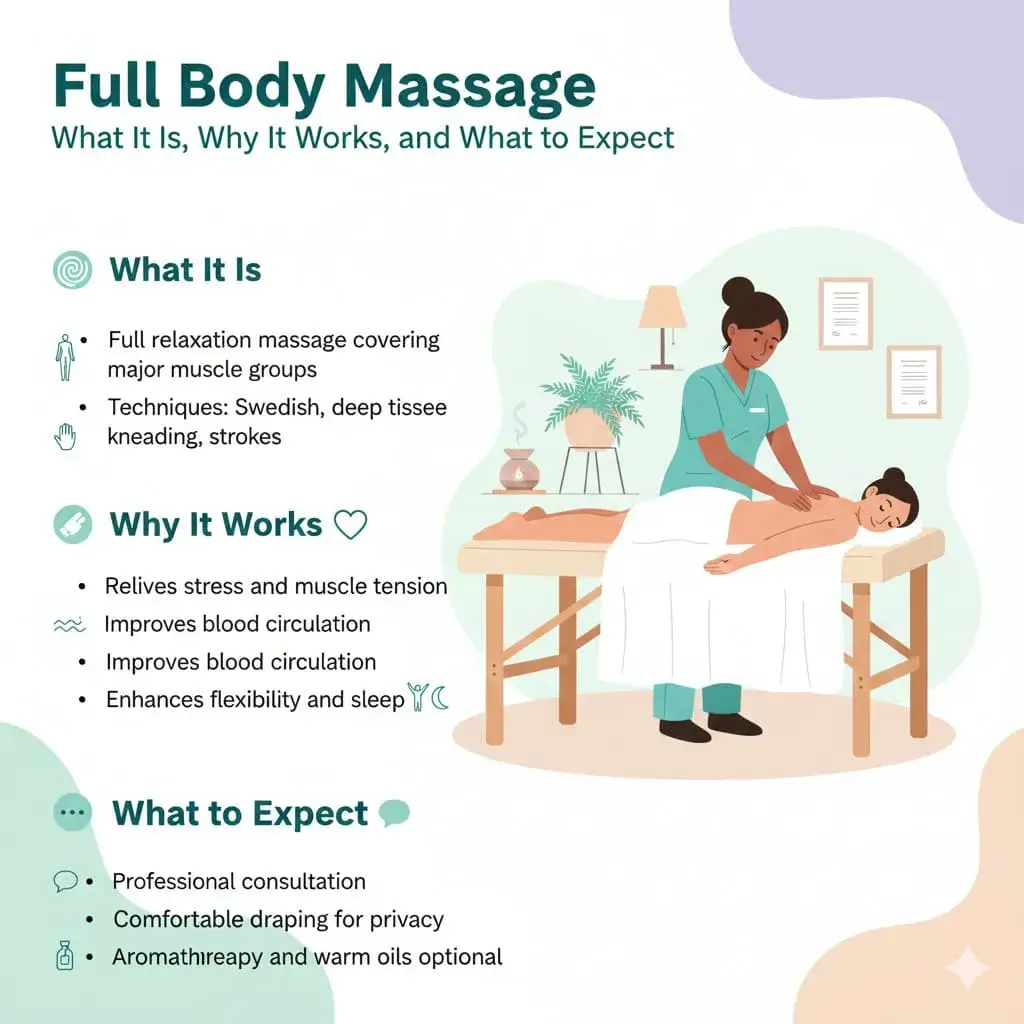
Full Body Massage: What It Is, Why It Works, and What to Expect
What is full body massage? Learn the benefits, best types for your needs, and what to expect. Expert tips from trained therapists for your session.
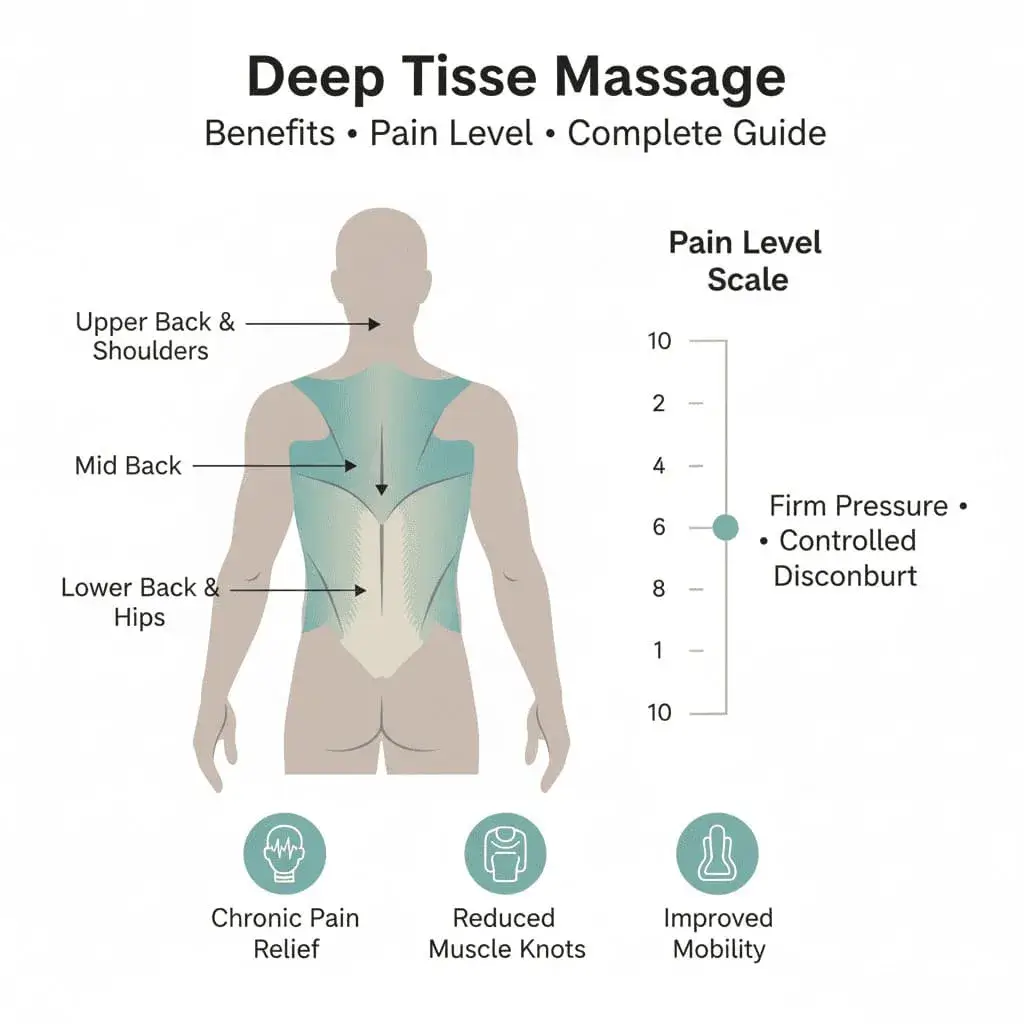
Deep Tissue Massage at Home: Benefits, Price, What to Expect
Deep tissue massage uses slow, firm pressure to release stubborn muscle tension. On our menu it is a 90-minute home session. See benefits, price and prep.
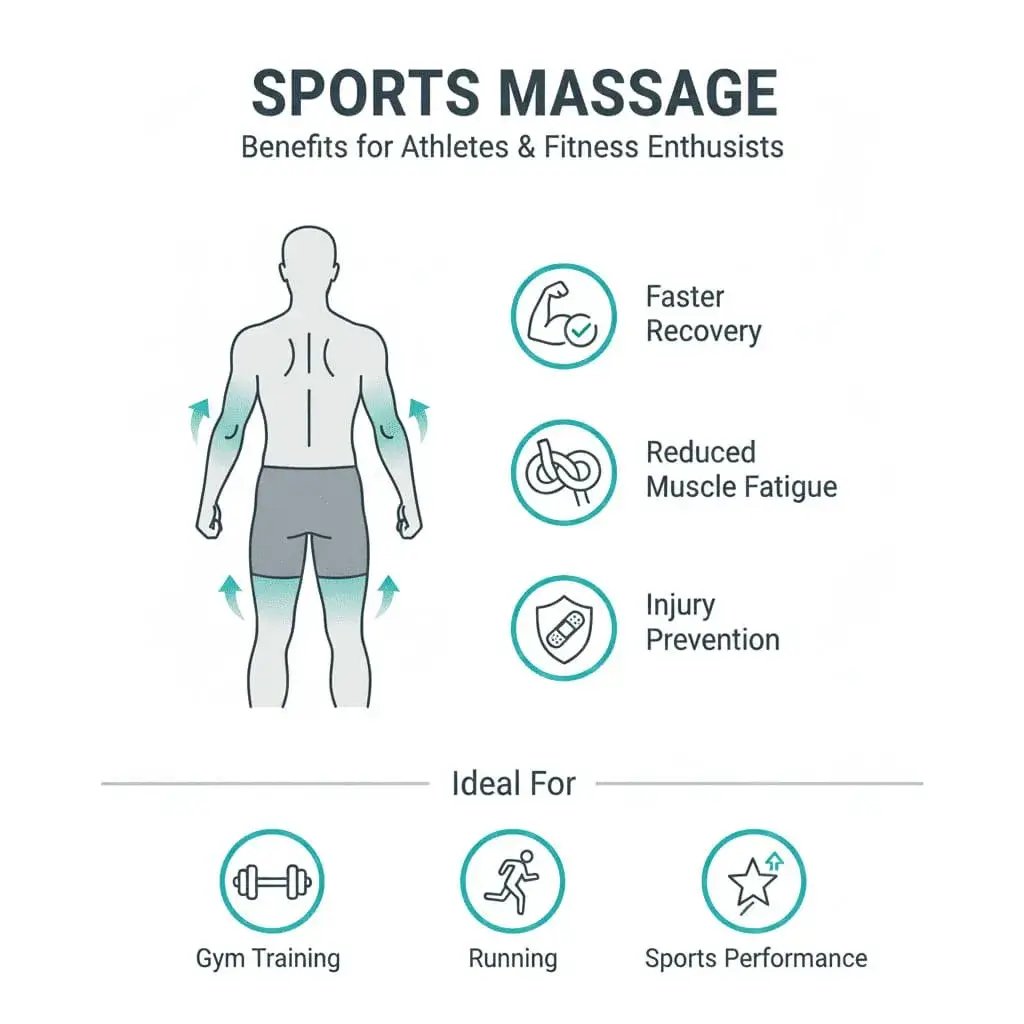
Sports Massage Benefits: Recovery for Gym-Goers in India
How sports massage speeds recovery after the gym or a run, when to book it, and how the 75-minute home session on our menu works.
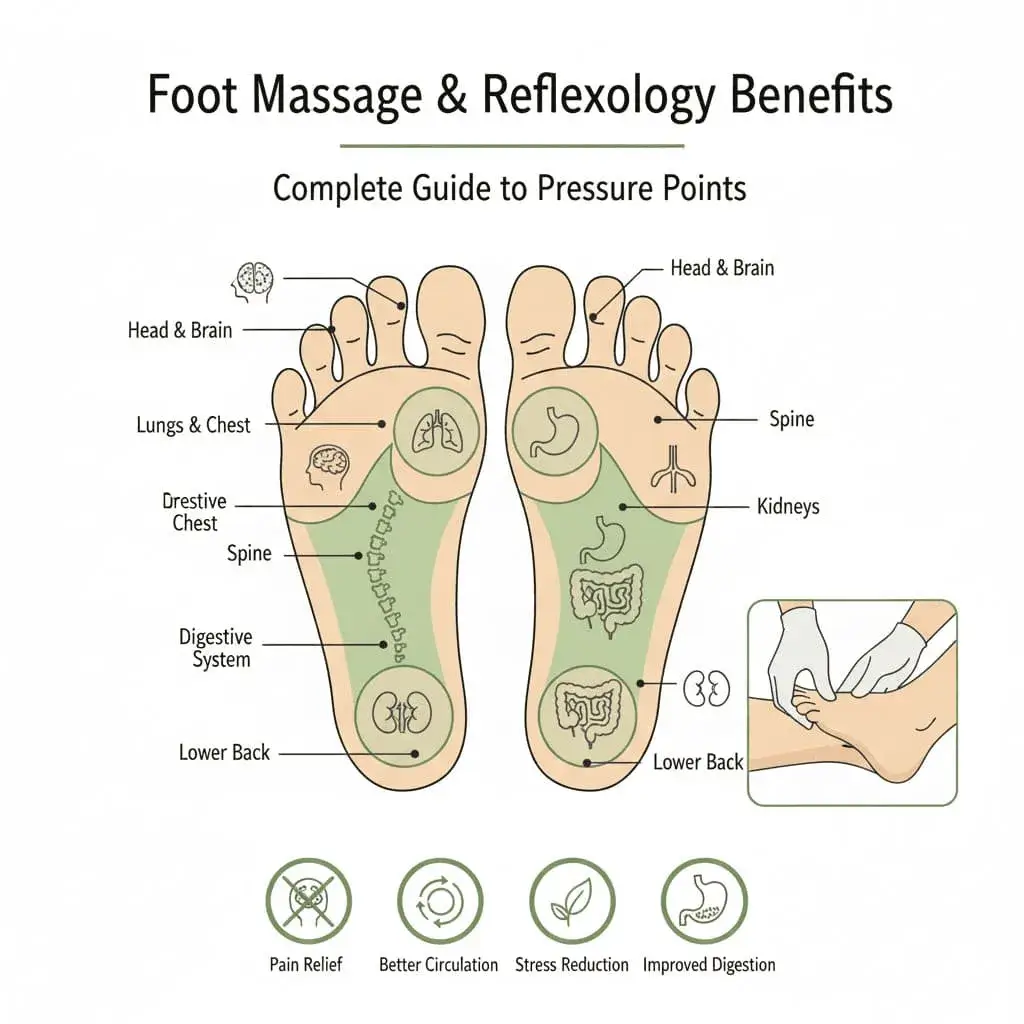
Foot Massage & Reflexology: Complete Benefits Guide
Discover science-backed foot massage and reflexology benefits: pain relief, better circulation, stress reduction, and improved sleep. Includes reflex points.
Massage Services in Other Cities

Professional Home Massage in Mumbai
Professional home massage in Mumbai. {{therapist_count}}+ verified therapists, same-day booking, 40+ areas covered. Swedish, deep tissue & Thai massage. Book now.

Professional Home Massage in Delhi NCR
Professional home massage in Delhi NCR. {{therapist_count}}+ verified therapists offering same-day booking across 50+ areas including Gurgaon, Noida, and CP. Book now.

Professional Home Massage in Bangalore
Professional home massage in Bangalore. {{therapist_count}}+ verified therapists, same-day booking across 50+ areas. Koramangala, Whitefield, HSR Layout. Book now.

Professional Home Massage in Pune
Professional home massage in Pune. {{therapist_count}}+ verified therapists offering same-day booking across 40+ areas. Koregaon Park, Baner, Hinjewadi. Book now.