
Swedish Massage vs Deep Tissue: Which Is Right for You?
A complete guide to understanding the key differences and choosing the best massage for your needs
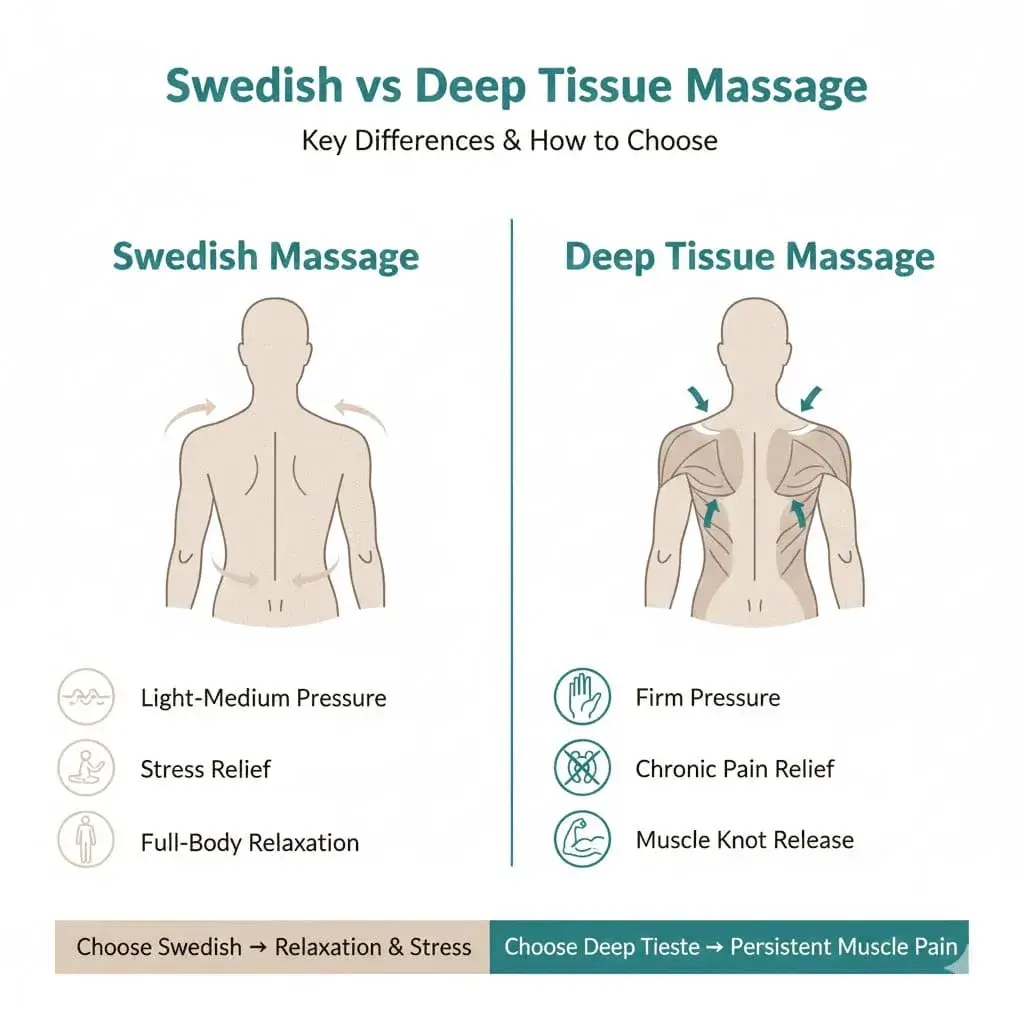
"Should I get Swedish or deep tissue?" It's the most common question people ask when booking a massage. Both are popular, both are effective, and both can leave you feeling significantly better than when you walked in. But they're designed for different purposes, and choosing the right one makes a real difference in your results.
The short answer: Swedish massage is your go-to for relaxation and general stress relief, while deep tissue targets specific tension and chronic muscle problems. But there's more nuance to it than that. Let's break down exactly how these two approaches differ and help you figure out which one your body actually needs.
On our menu, Swedish is a 60-minute session (from ₹1,999 in metro cities) and deep tissue is a 90-minute session, so the two also differ in duration and price. A useful detail: the 90-minute services cost less per minute than the 60-minute ones. Exact rates for your city are on the live price list.
The Quick Comparison
Before we get into the details, here's a side-by-side overview of the key differences:
| Factor | Swedish Massage | Deep Tissue Massage |
|---|---|---|
| Primary goal | Relaxation, stress relief | Pain relief, tension release |
| Pressure level | Light to moderate | Moderate to firm |
| Stroke style | Long, flowing, gliding | Slow, focused, sustained |
| Depth reached | Surface muscles | Deeper muscle layers and fascia |
| Typical pace | Rhythmic, continuous | Slower, more deliberate |
| Discomfort level | Minimal to none | Can be intense in spots |
| Post-massage feeling | Relaxed, peaceful | Relieved but possibly sore |
| Best for | First-timers, stress, general wellness | Chronic pain, knots, athletes |
Understanding Swedish Massage
Swedish massage is what most people picture when they think of massage therapy. Developed in the 19th century by Swedish physician Per Henrik Ling, it uses a combination of techniques designed to relax the entire body, improve circulation, and create an overall sense of wellbeing.
Swedish massage uses five classic techniques: long gliding strokes, kneading, circular friction, rhythmic tapping, and gentle shaking. Together they warm the muscles, boost circulation, and settle the nervous system. The Swedish massage guide explains each technique in depth.
What Swedish Massage Feels Like
A Swedish massage session typically feels soothing and rhythmic. The therapist's hands move smoothly across your body, maintaining consistent contact that creates a meditative quality. Pressure is gentle enough that you can fully relax without bracing against discomfort.
Many people drift into a semi-sleep state during Swedish massage. That's not just okay, it's a sign the treatment is working. Your nervous system shifts into parasympathetic mode (the "rest and digest" state), which is where the real stress-relief benefits happen.
Benefits of Swedish Massage
- Reduces stress hormones (cortisol) while increasing feel-good hormones
- Improves blood circulation throughout the body
- Promotes lymphatic drainage and reduces fluid retention
- Eases general muscle tension and stiffness
- Improves sleep quality, especially with regular sessions
- Provides mental relaxation and clarity
- Gentle enough for massage newcomers and sensitive individuals
Understanding Deep Tissue Massage
Deep tissue massage targets the deeper layers of muscle and the fascia (connective tissue) that surrounds them. It's designed to address chronic tension patterns, adhesions, and specific problem areas that don't respond to lighter work.
How Deep Tissue Techniques Differ
While Swedish massage flows across the body, deep tissue massage often focuses intently on specific areas. The therapist uses slower strokes with more sustained pressure, allowing time to sink through superficial layers and reach deeper structures.
- Cross-fiber friction: Strokes perpendicular to muscle fibers to break up adhesions
- Stripping: Deep, gliding pressure along the length of muscle fibers
- Trigger point therapy: Sustained pressure on specific knots
- Myofascial release: Stretching and pressure on connective tissue
- Elbow and forearm work: Using larger surfaces for deeper pressure
What Deep Tissue Massage Feels Like
Deep tissue massage is more intense than Swedish. You'll feel significant pressure, and when the therapist works on problem areas, there's often a "hurts so good" sensation, uncomfortable but somehow satisfying. You should be able to breathe through it, though.
The pace is slower and more methodical. Your therapist might spend several minutes on one stubborn area rather than flowing continuously across your body. Communication matters here. Letting your therapist know when intensity is just right versus too much.
Benefits of Deep Tissue Massage
- Releases chronic muscle tension that lighter massage can't reach
- Breaks up adhesions and scar tissue
- Reduces chronic pain, especially in back, neck, and shoulders
- Improves range of motion and flexibility
- Helps recover from muscle strain and injury from athletic activity
- Addresses postural problems caused by tight muscles
- Provides lasting relief for persistent problem areas
Key Differences Explained
Pressure and Depth
The most obvious difference is pressure. Swedish massage typically uses light to moderate pressure, firm enough to be effective but gentle enough that you can completely relax. Deep tissue uses moderate to firm pressure, sometimes quite intense, to reach tissues that lie beneath the surface muscles.
It's worth noting that "deep" doesn't always mean "harder." Skilled deep tissue therapists can access deep layers with less brute force by using proper technique, angle, and sustained pressure. More isn't always better.
Speed and Rhythm
Swedish massage has a flowing, rhythmic quality. Strokes move continuously, creating a meditative experience. Deep tissue work is slower and more deliberate. The therapist may pause on certain areas, gradually increasing pressure or holding sustained contact to release stubborn tension.
Goals and Outcomes
Swedish massage aims for overall relaxation and improved circulation. You leave feeling calm, loose, and peaceful. Deep tissue massage aims to solve specific problems: releasing that chronic knot, improving that restricted movement, reducing that persistent pain. You might leave feeling relieved but also a bit tender.
Post-Massage Experience
After Swedish massage, most people feel relaxed and rejuvenated with minimal after-effects. After deep tissue, it's common to experience some soreness for 24-48 hours, similar to post-workout muscle tenderness. This is normal and usually resolves into feeling significantly better than before.
Who Should Choose Swedish Massage?
Swedish massage is the better choice if you:
- Are new to massage and want to see what it's like
- Primarily want to relax and de-stress
- Have general tension rather than specific problem areas
- Are sensitive to pressure or bruise easily
- Want a peaceful, meditative experience
- Need to recover from mental rather than physical strain
- Prefer feeling energized rather than worked-over afterward
- Have certain health conditions that preclude intense pressure
Who Should Choose Deep Tissue Massage?
Deep tissue massage is the better choice if you:
- Have chronic muscle tension that doesn't respond to lighter massage
- Deal with ongoing pain in specific areas (back, neck, shoulders)
- Have recovered from injuries but still feel restricted
- Notice persistent knots that need focused attention
- Are an athlete or physically active person
- Have postural issues from desk work or repetitive movements
- Haven't found lasting relief from Swedish massage
- Don't mind some discomfort in exchange for results
Can You Combine Both Styles?
Absolutely, and many therapists do this routinely. A skilled massage therapist can blend Swedish and deep tissue techniques within the same session based on what your body needs in different areas.
For example, you might receive Swedish massage on your legs and arms where you just need general relaxation, then deep tissue work on your shoulders and upper back where chronic tension lives. This combination approach often provides the best of both worlds.
How to Request a Combined Session
When booking, you can ask for a "therapeutic massage" or simply explain that you want relaxation overall but have specific problem areas needing deeper work. Most therapists appreciate this guidance and will structure the session accordingly.
During the session, communicate as you go. If an area feels like it needs more attention, say so. If you want the therapist to ease up somewhere, that's valuable feedback too. The best sessions involve this kind of collaboration.
Making Your Decision: A Practical Guide
Still not sure? Answer these questions to help clarify which style suits your current needs:
Question 1: What's Your Main Goal?
- I want to relax and feel peaceful → Swedish
- I want to fix a specific pain or tension problem → Deep Tissue
- I want both relaxation and targeted work → Combined approach
Question 2: How Do You Feel About Pressure?
- I prefer gentle, soothing touch → Swedish
- I like firm pressure and don't mind some discomfort → Deep Tissue
- Depends on the area → Combined approach
Question 3: What's Your Experience Level?
- First massage or limited experience → Swedish
- Regular massage client, know what I need → Either, based on current needs
- Tried Swedish without lasting relief → Deep Tissue
Question 4: What's Your Body Telling You?
- Generally tense and stressed but nothing specific → Swedish
- I can point to exactly where it hurts → Deep Tissue
- Overall tension plus some stubborn spots → Combined approach
Common Scenarios and Recommendations
| Your Situation | Recommended Style | Why |
|---|---|---|
| Stressed from work, mentally exhausted | Swedish | Nervous system reset, mental relaxation |
| Chronic lower back pain | Deep Tissue | Targets specific problem area |
| Training for a marathon | Deep Tissue / Sports | Athletic recovery, injury prevention |
| General wellness maintenance | Swedish | Preventive care, circulation boost |
| Desk job, tight shoulders | Combined | Relaxation overall, focus on problem areas |
| Recovering from injury (post-acute) | Deep Tissue | Break up scar tissue, restore mobility |
| Trouble sleeping from anxiety | Swedish | Activates relaxation response |
| Haven't had massage in years | Swedish | Reintroduce body to massage gently |
| Persistent knots that never go away | Deep Tissue | Sustained pressure releases adhesions |
| Birthday or anniversary treat | Swedish | Luxurious, enjoyable experience |
What to Tell Your Therapist
Even after choosing a style, communication with your therapist ensures you get exactly what you need. Share these details before your session:
- Your primary goal (relaxation, pain relief, specific area attention)
- Any injuries, health conditions, or areas to avoid
- Your general pressure preference (light, medium, firm)
- Problem areas that need extra attention
- Previous massage experience and what worked or didn't
- Whether you're comfortable speaking up during the session
During the session, don't hesitate to give feedback. "That pressure is perfect," "Can you spend more time there?" or "That's a bit too intense" are all helpful. Good therapists genuinely want this input.
Frequently Asked Questions
Is deep tissue massage more effective than Swedish?
Can Swedish massage be firm?
Will deep tissue massage hurt?
How do I know if I need deep tissue instead of Swedish?
Is Swedish massage just for relaxation?
Can I switch from Swedish to deep tissue mid-session?
Which style is better for my first massage?
Why would someone prefer Swedish over deep tissue?
The Bottom Line
Swedish and deep tissue massage aren't competitors; they're different tools for different jobs. Swedish massage excels at relaxation, stress relief, and general wellness. Deep tissue massage excels at resolving chronic tension, addressing specific pain, and reaching problems that lighter work can't touch.
The best choice depends on what you need right now. Sometimes that's a peaceful Swedish session to decompress from life's demands. Other times it's focused deep tissue work to finally release that stubborn shoulder knot. And often, a combination of both gives your body exactly what it needs.
When in doubt, start with Swedish, especially if you're new to massage. You can always go deeper, but you can't un-do an overly intense session. As you become more experienced, you'll develop intuition about what your body needs, making the choice easier each time.
Related Articles
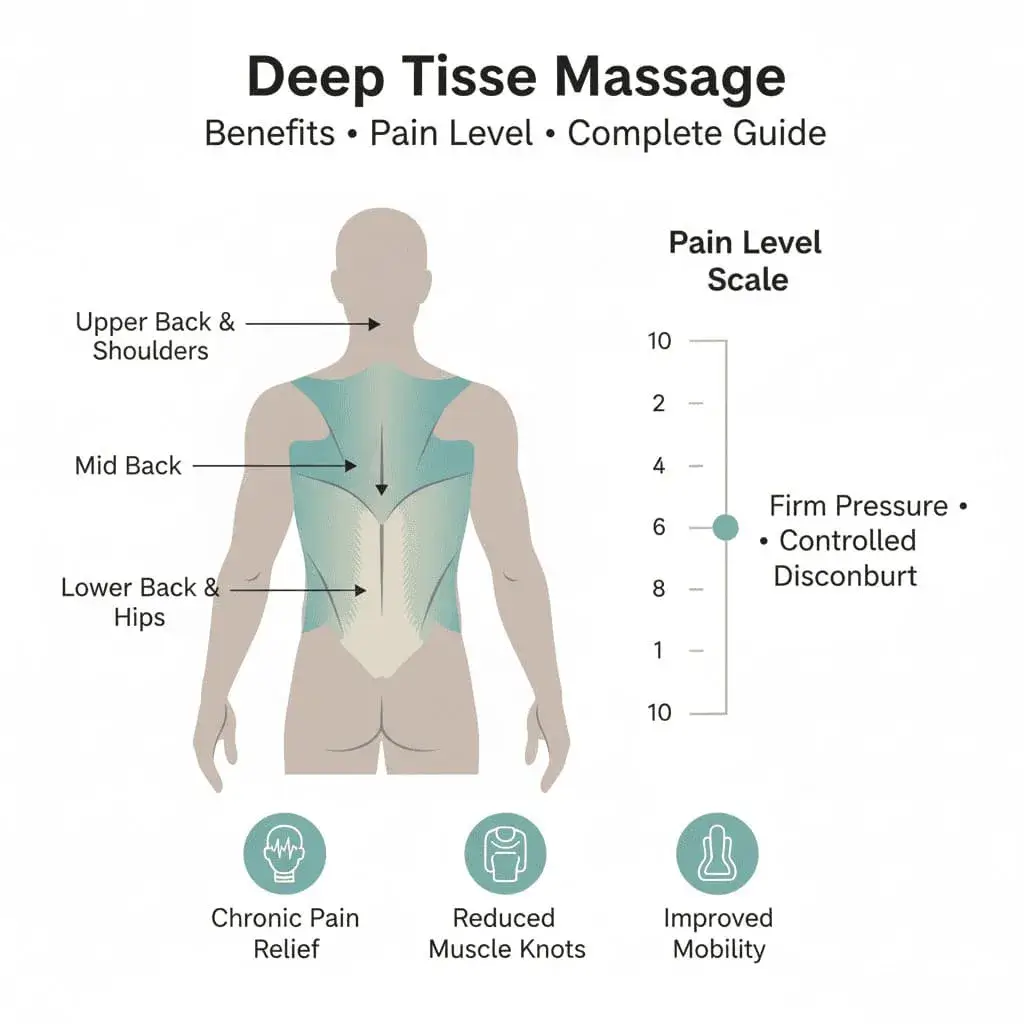
Deep Tissue Massage at Home: Benefits, Price, What to Expect
Deep tissue massage uses slow, firm pressure to release stubborn muscle tension. On our menu it is a 90-minute home session. See benefits, price and prep.
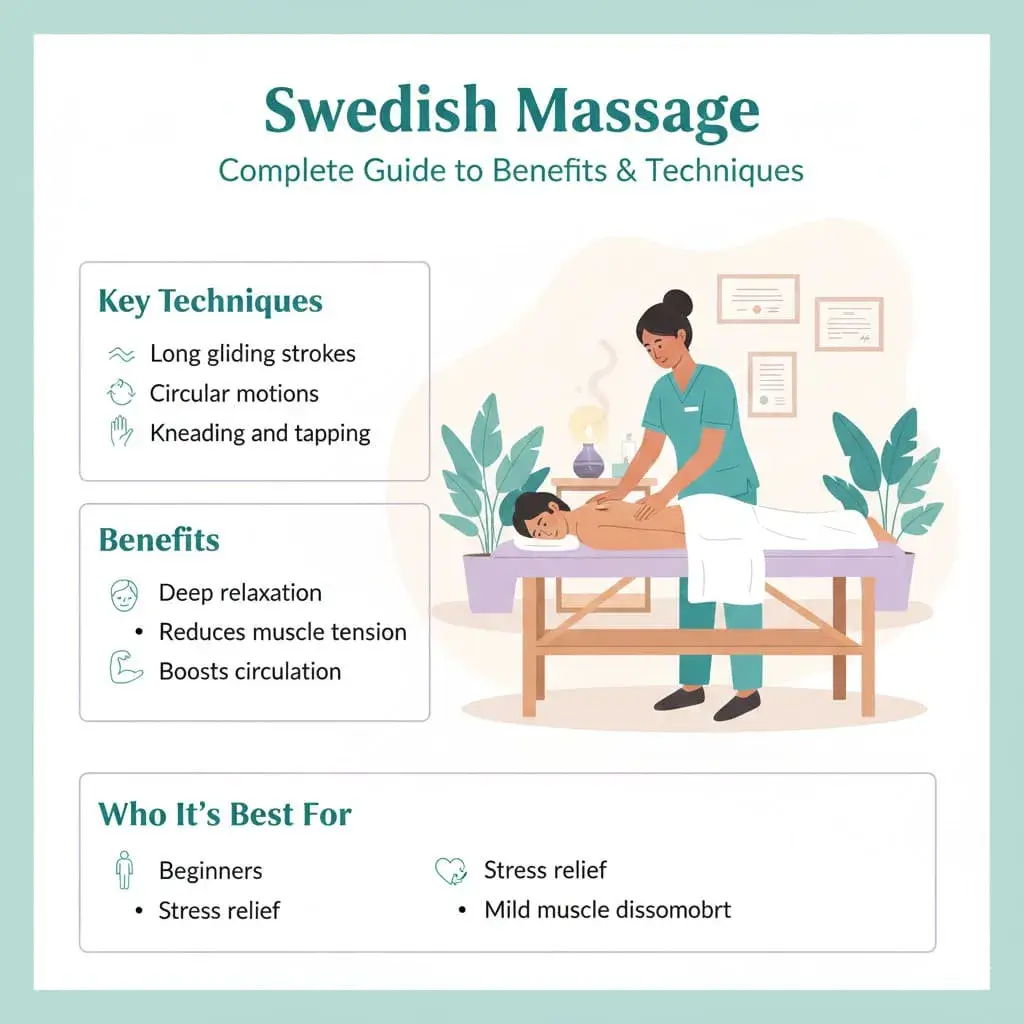
Swedish Massage at Home: Benefits, Techniques and Price
Swedish massage is a gentle full body massage for relaxation. A 60-minute home session starts at ₹1,999 in metro cities. See benefits and techniques.
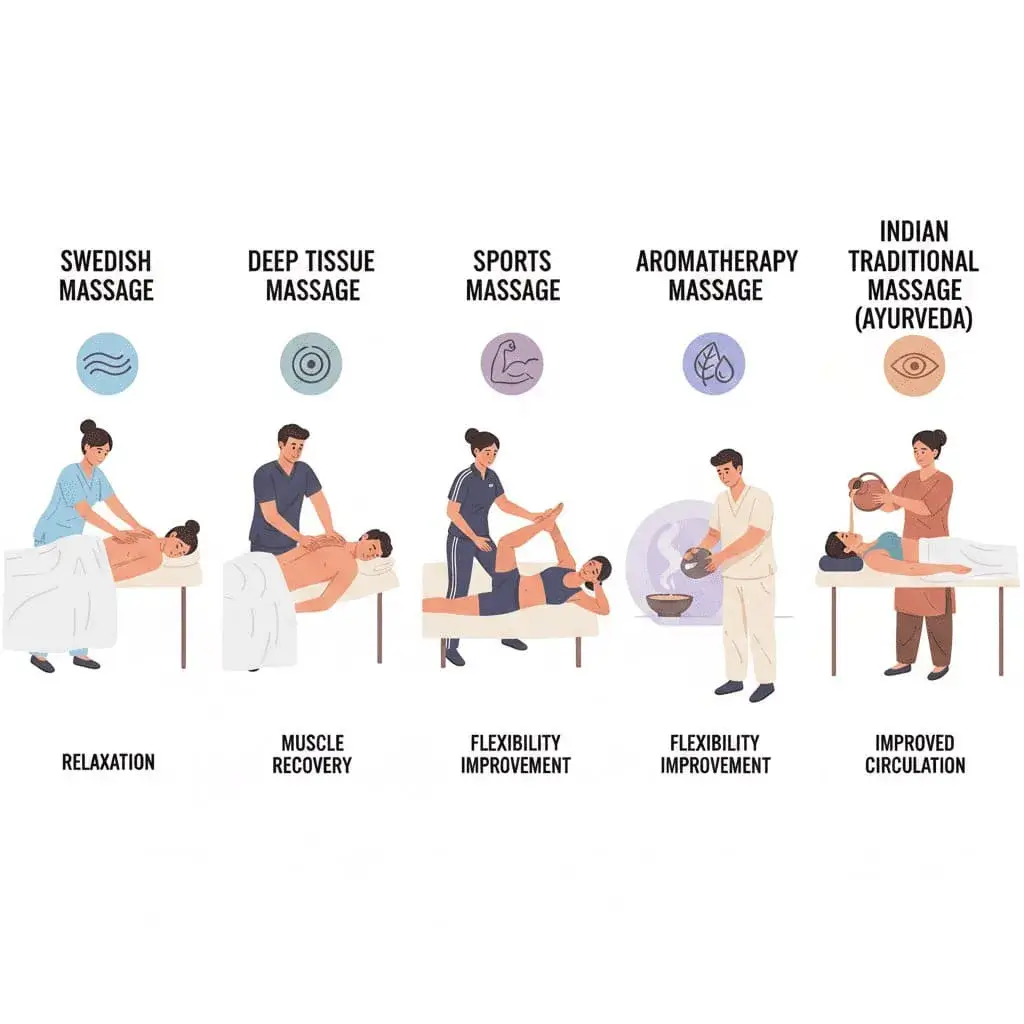
Types of Body Massage in India: How to Choose
Swedish for relaxation, deep tissue for pain, Thai for flexibility - compare the 8 massage types you can book at home in India and pick the right one.
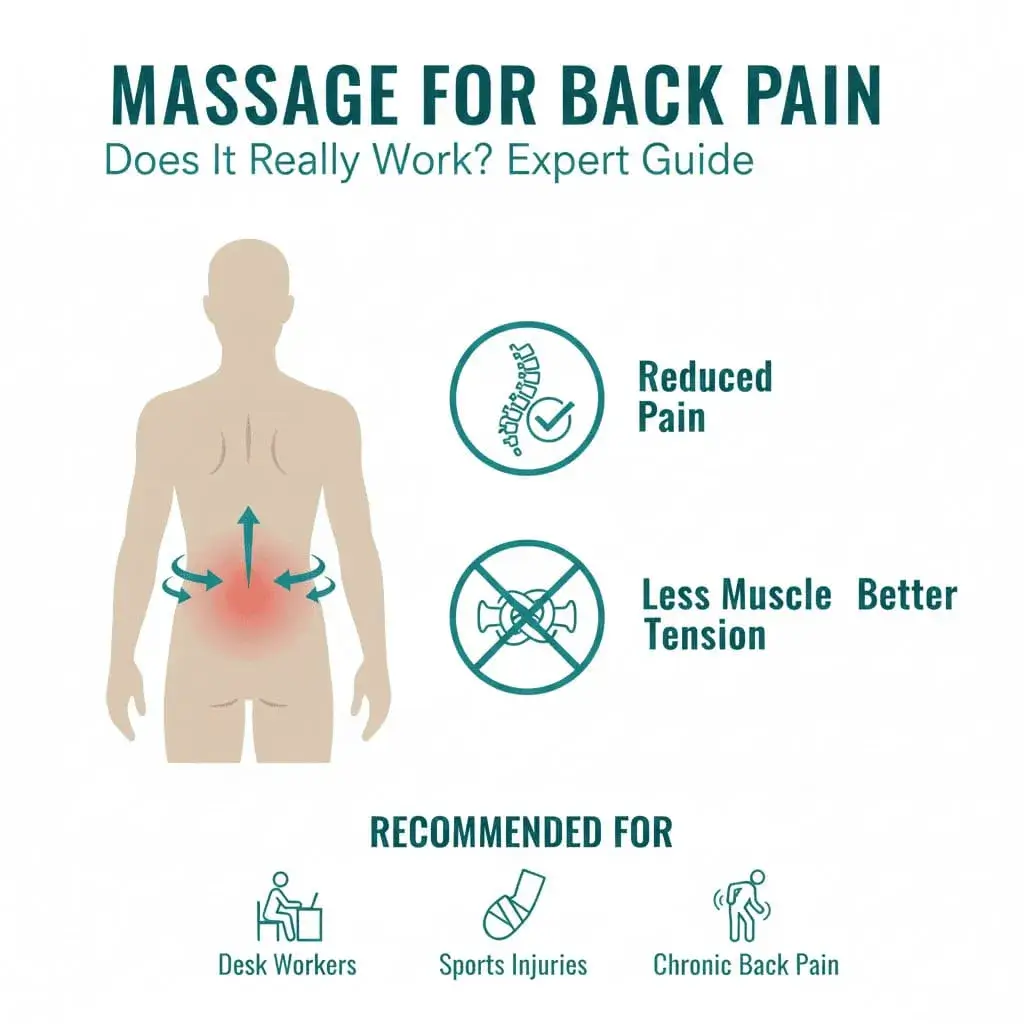
Back Pain Massage at Home: What Works, What to Expect
Yes, massage helps most muscle-related back pain - research agrees. See which massage works, what a home session looks like, and when to see a doctor.
Massage Services in Other Cities

Professional Home Massage in Mumbai
Professional home massage in Mumbai. {{therapist_count}}+ verified therapists, same-day booking, 40+ areas covered. Swedish, deep tissue & Thai massage. Book now.

Professional Home Massage in Bangalore
Professional home massage in Bangalore. {{therapist_count}}+ verified therapists, same-day booking across 50+ areas. Koramangala, Whitefield, HSR Layout. Book now.

Professional Home Massage in Delhi NCR
Professional home massage in Delhi NCR. {{therapist_count}}+ verified therapists offering same-day booking across 50+ areas including Gurgaon, Noida, and CP. Book now.
Professional Home Massage in Pune
Professional home massage in Pune. {{therapist_count}}+ verified therapists offering same-day booking across 40+ areas. Koregaon Park, Baner, Hinjewadi. Book now.