
How to Become a Massage Therapist in India 2026: Career Guide
Your complete roadmap to a rewarding career in massage therapy
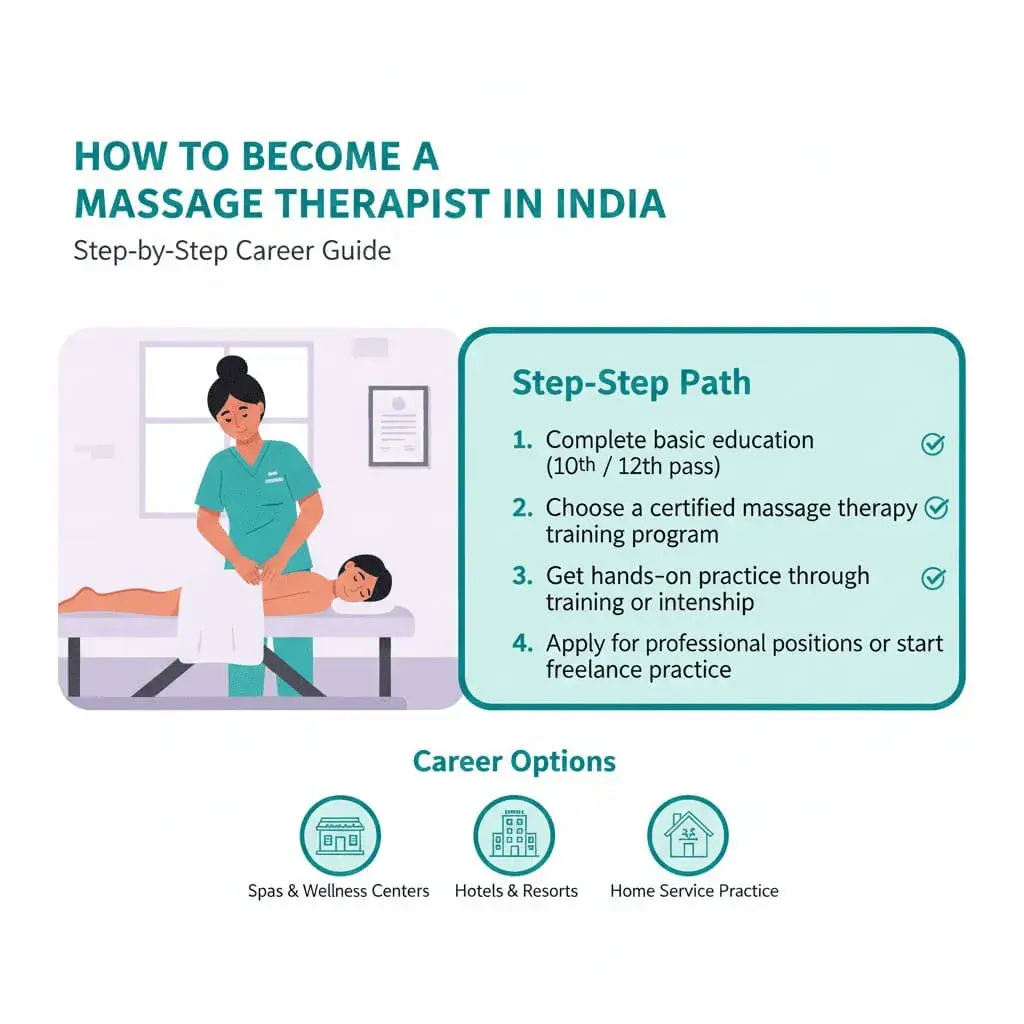
Massage therapy offers a unique career: meaningful work that genuinely helps people, flexible employment options, growing demand, and the satisfaction of mastering a hands-on skill. If you're considering this path, you're looking at an industry that's expanding in India, with opportunities ranging from luxury hotels to independent home service practice.
But how do you actually become a massage therapist? What training do you need? How much does it cost? What certifications matter? This guide answers these questions with practical, actionable information to help you plan your entry into the profession.
Is Massage Therapy Right for You?
Before investing in training, honestly assess whether massage therapy suits you:
Physical Requirements
- Good overall health and physical stamina. You'll be on your feet for hours (understand the physical demands of massage work)
- Strong hands and upper body (strength develops with practice, but baseline fitness helps)
- No conditions that limit sustained physical work
- Ability to perform repetitive motions without injury
- Comfortable standing and moving for extended periods
Personal Qualities
- Genuine interest in helping others feel better
- Comfortable with physical contact and working closely with bodies
- Good communication skills. Listening to clients, explaining treatments
- Professional boundaries and ethical standards
- Patience and attention to detail
- Ability to create calm, reassuring presence
Lifestyle Considerations
- Willingness to work evenings, weekends, holidays (when clients want massage)
- Acceptance that income may vary, especially starting out
- Comfort with the physical demands of the work
- Commitment to ongoing learning and skill development
Step 1: Choose Your Training Path
India offers several pathways into massage therapy, each with different time commitments, costs, and career outcomes:
Certificate Programs (1-6 months)
Short-term certificates provide basic skills for entry-level positions:
- Duration: 1-6 months depending on program
- Cost: ₹15,000 - ₹75,000
- Outcome: Basic spa therapist positions
- Best for: Quick entry into workforce, testing career interest
- Limitation: Limited advancement without further training
Diploma Programs (6-12 months)
Comprehensive training covering multiple modalities and professional skills:
- Duration: 6-12 months
- Cost: ₹50,000 - ₹2,00,000
- Outcome: Qualified for most spa and hotel positions
- Best for: Serious career commitment, broader opportunities
- Advantage: More thorough foundation, better job prospects
International Certifications (CIBTAC/CIDESCO)
Globally recognized qualifications for premium positions:
- Duration: 6-18 months depending on program structure
- Cost: ₹1,50,000 - ₹4,00,000+
- Outcome: Luxury hotels, cruise ships, international opportunities
- Best for: Those targeting premium market, international careers
- Advantage: Highest earning potential, global recognition
Specialized Training
Focused programs in specific modalities:
- Ayurvedic massage: Traditional Indian techniques, strong domestic demand
- Thai massage: Specialized skill, dedicated clientele
- Sports massage: Athletes and fitness market
- Clinical/medical massage: Healthcare settings (similar to deep tissue techniques)
- Duration and cost vary widely by program
| Pathway | Duration | Cost Range | Career Outcome |
|---|---|---|---|
| Basic Certificate | 1-3 months | ₹15K - ₹40K | Entry-level spa positions |
| Advanced Certificate | 3-6 months | ₹40K - ₹75K | Mid-level spa positions |
| Diploma | 6-12 months | ₹50K - ₹2L | Most spa/hotel positions |
| CIBTAC/CIDESCO | 6-18 months | ₹1.5L - ₹4L+ | Premium positions, international |
| Ayurvedic Specialization | 3-12 months | ₹30K - ₹1.5L | Ayurvedic centers, resorts |
Step 2: Select a Training Institution
Choosing the right school significantly impacts your career. Consider these factors:
Accreditation and Recognition
- Check if the institution is recognized by relevant bodies
- CIBTAC and CIDESCO accreditation for international certifications
- State or national recognition for domestic programs
- Employer acceptance. Research where graduates get hired
Curriculum Quality
- Balance of theory and practical training
- Anatomy and physiology foundation (understand what massage does to the body)
- Multiple massage modalities covered
- Business and professional skills included
- Supervised practice on real clients
Practical Training Hours
Hands-on practice is crucial. Programs should include:
- Minimum 200-300 hours practical training for basic certification
- 500+ hours for comprehensive diploma programs
- Practice on diverse body types and conditions
- Supervised student clinic experience
- Feedback from experienced instructors
Placement Support
- Does the school have industry connections?
- Placement assistance or job guarantee programs
- Alumni network and referrals
- Track record of graduate employment
Red Flags to Avoid
- Promises that seem too good to be true
- Very short programs claiming comprehensive training
- No verifiable accreditation
- Unable to provide graduate employment data
- Poor facility or equipment quality
- Instructors without professional experience
Step 3: Complete Your Training
Making the most of your training program:
During Classroom Training
- Take anatomy and physiology seriously, it's your foundation
- Practice techniques repeatedly until they become natural
- Ask questions; engage with instructors
- Study for theory components; certifications require passing exams
- Network with classmates, they're future colleagues
During Practical Training
- Seek feedback actively; don't take corrections personally
- Practice on as many different people as possible
- Develop your own style while mastering fundamentals
- Learn to read body responses and adjust accordingly
- Build stamina gradually to prevent injury
Self-Care During Training
- Receive massage yourself to understand the client experience
- Maintain your own physical fitness
- Practice proper body mechanics from day one
- Don't over-practice to the point of injury
- Develop stress management habits early
Step 4: Get Certified
Certification validates your training and opens doors. Recognised certifications like CIBTAC and CIDESCO cost more than a local institute certificate, but they let you charge higher rates and apply for premium hotel, cruise ship, and international spa roles. For the full comparison of costs, durations, and which one fits your goals, see the certification guide.
Step 5: Gain Experience
Your first positions build the foundation for your career:
Entry-Level Options
- Day spas and wellness centers: Good starting environment, diverse experience
- Budget hotels: Higher volume, develop speed and consistency
- Gym and fitness centers: Sports-oriented clientele
- Salon-based massage: Often part-time, flexible
- Internships at luxury properties: Lower pay but premium training
What to Look for in First Jobs
- Opportunity to work on many clients (volume builds skill)
- Supervision and feedback from senior therapists
- Exposure to different massage types and client needs
- Professional environment with proper protocols
- Reasonable working conditions (avoid exploitation)
Building Your Skills
- Learn from senior therapists, observe and ask questions
- Request feedback from clients (diplomatically)
- Continue education; attend workshops and seminars
- Develop specializations that interest you
- Track your progress and identify areas for improvement
Step 6: Advance Your Career
After establishing yourself, consider advancement paths:
Specialization
- Sports massage for athletes and fitness enthusiasts
- Prenatal massage for expecting mothers
- Geriatric massage for elderly clients
- Medical/rehabilitation massage in clinical settings (learn deep tissue and therapeutic techniques)
- Luxury/signature treatments for premium market
Premium Positions
- Five-star hotels and luxury resorts (understand the premium market expectations)
- International cruise lines
- Celebrity and VIP clientele
- Corporate wellness programs
- Medical tourism facilities
Management Track
- Lead Therapist: Supervising other therapists
- Spa Supervisor: Day-to-day operations management
- Spa Manager: Full responsibility for spa performance
- Training roles: Teaching new therapists
- Regional/corporate positions in hospitality chains
Independent Practice
- Build personal clientele over time (explore strategies for building your massage therapy clientele)
- Home service massage: High earning potential, flexibility
- Own studio or practice: Entrepreneurial path (compare home service vs. fixed location)
- Partnership with gyms, hotels, or wellness centers
- Mobile massage services for events and corporate clients (understand massage frequency and recurring business)
Costs and Timeline Summary
| Career Goal | Training Investment | Time to Job-Ready | Expected Starting Salary |
|---|---|---|---|
| Basic spa therapist | ₹20K - ₹50K | 3-6 months | ₹15K - ₹22K/month |
| Hotel spa therapist | ₹75K - ₹1.5L | 6-12 months | ₹22K - ₹35K/month |
| Luxury/International | ₹1.5L - ₹4L+ | 12-18 months | ₹35K - ₹60K/month |
| Specialized therapist | ₹50K - ₹2L | 6-12 months | ₹25K - ₹45K/month |
Essential Skills Beyond Technique
Technical massage skills are necessary but not sufficient. Successful therapists also develop:
Communication Skills
- Active listening to understand client needs and health conditions
- Clear explanation of treatments and expectations
- Professional consultation before and after sessions
- Appropriate conversation during massage (or comfortable silence)
- English fluency for international clientele (essential for premium positions)
Business Awareness
- Understanding of spa/wellness business operations
- Sales skills for retail products and service upgrades (understand massage pricing and value positioning)
- Client retention and relationship building (master strategies for building lasting clientele)
- Time management and scheduling (manage recommended massage frequency for recurring clients)
- Financial literacy for independent home service practice
Professional Conduct
- Strict ethical boundaries
- Reliability and punctuality
- Personal presentation and hygiene
- Confidentiality with client information
- Handling difficult situations professionally
Career Sustainability
Massage therapy is physically demanding. Plan for long-term sustainability:
Protecting Your Body
- Proper body mechanics are non-negotiable; learn them early
- Maintain your own fitness and flexibility
- Get regular massage yourself to understand client experience and maintain wellness
- Manage client load, more isn't always better
- Address pain or strain immediately, not later
Career Longevity Strategies
- Move toward specializations with less physical demand as you age
- Develop management skills for non-hands-on roles
- Build teaching capabilities
- Create passive income through training or products
- Save and invest. Physical careers have natural limits
Frequently Asked Questions
What is the minimum qualification to become a massage therapist?
How long does it take to become a massage therapist?
Can I study massage therapy part-time while working?
Is massage therapy a good career for women in India?
Do I need to be strong to be a massage therapist?
Can I work internationally with Indian massage certification?
What are the career growth opportunities?
How much can I earn as a beginner vs. experienced therapist?
Starting Your Path
Massage therapy offers a rare combination: work that directly improves people's lives, reasonable income potential, diverse career paths, and the satisfaction of mastering a tangible skill. The industry continues growing in India, creating ongoing opportunities for qualified professionals.
Your success depends largely on choices you make at the beginning: selecting quality training, gaining proper certification, building experience systematically, and taking care of your own body throughout. Cut corners now and you limit your future; invest properly and the returns compound over your career.
If this profession calls to you, take the first step: research training programs in your area, visit institutions, talk to working therapists. The path from interested observer to professional therapist is well-marked; it just requires commitment to walk it.
Related Articles
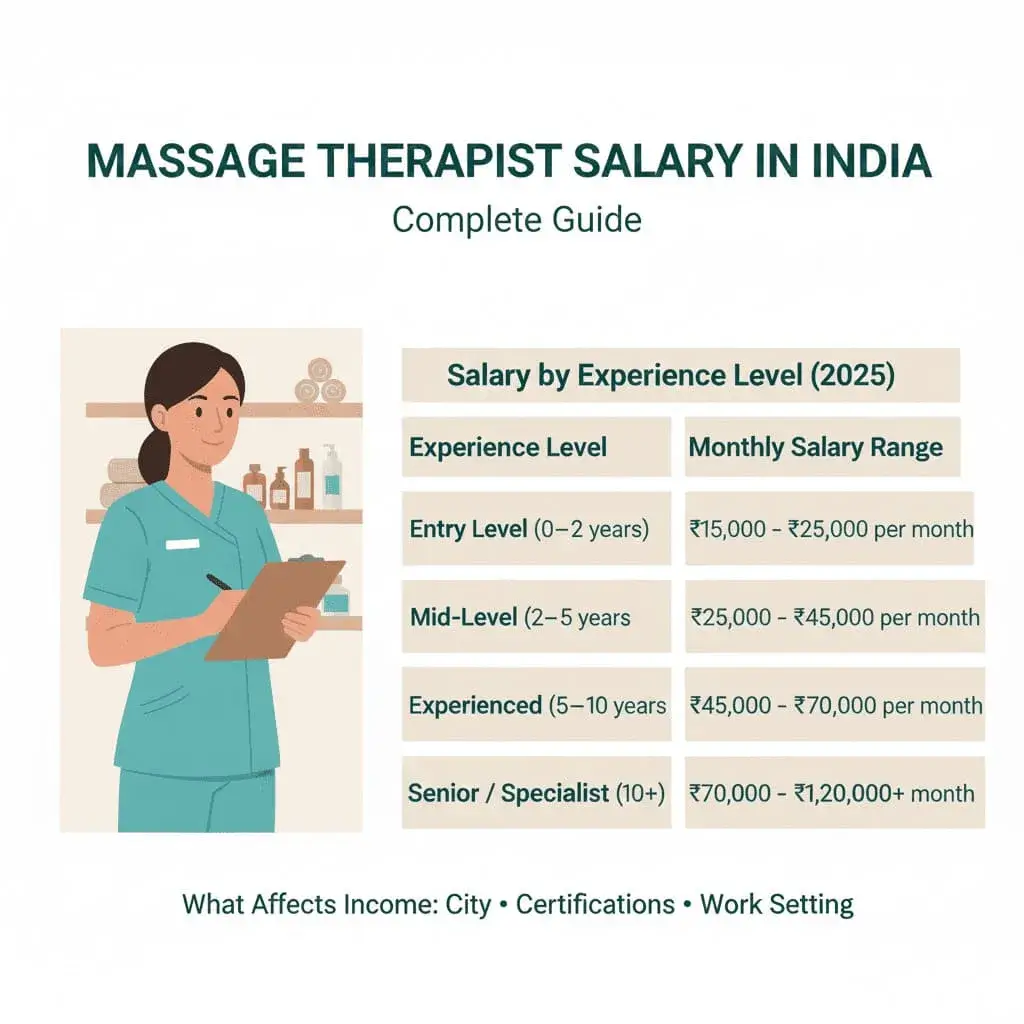
Massage Therapist Salary in India 2026: Complete Guide
Massage therapist salary guide for India 2026. Compare earnings by city, experience level, and work setting. Tips to maximize your earning potential.
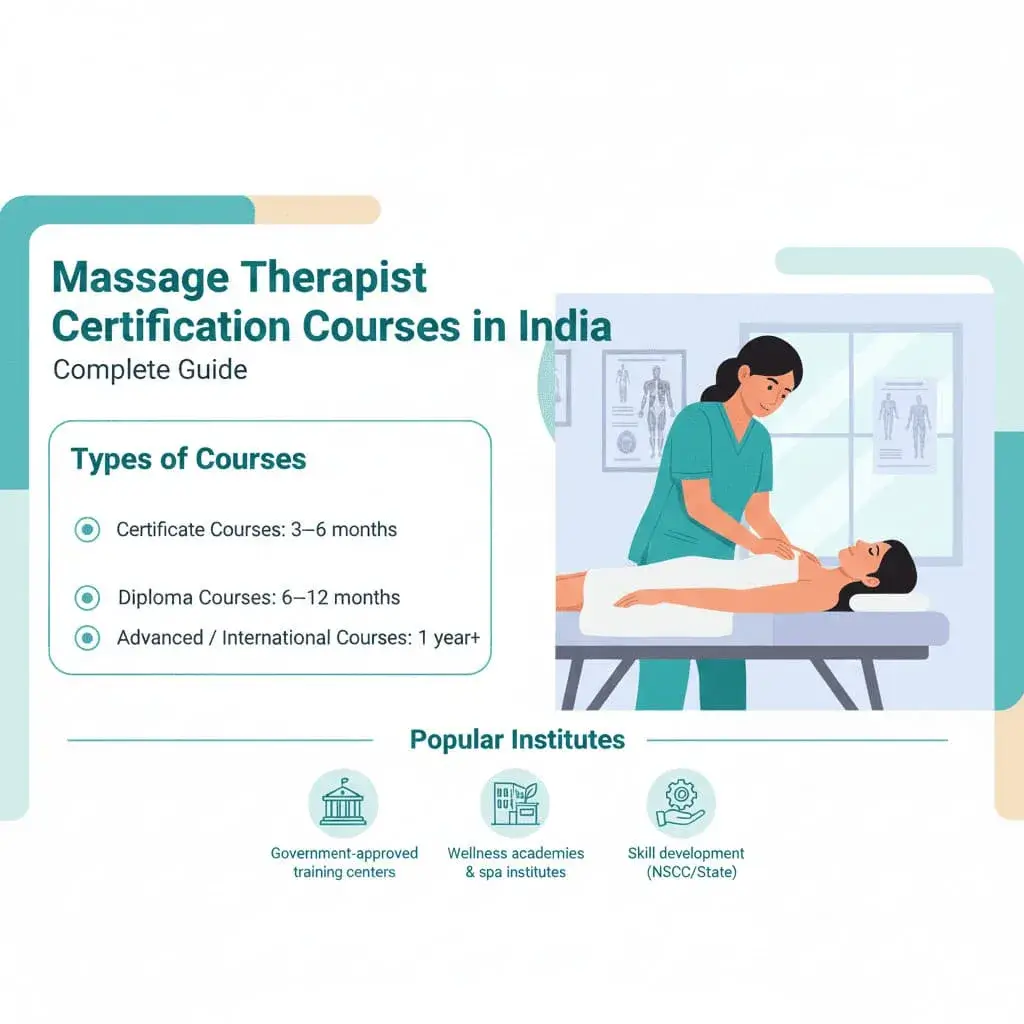
Massage Therapist Certification in India 2026: Which One to Choose?
Compare top massage therapy certifications in India including CIBTAC, CIDESCO, and VTCT. Costs, duration, recognition, and career impact explained.
Massage Services in Other Cities

Professional Home Massage in Mumbai
Professional home massage in Mumbai. {{therapist_count}}+ verified therapists, same-day booking, 40+ areas covered. Swedish, deep tissue & Thai massage. Book now.

Professional Home Massage in Delhi NCR
Professional home massage in Delhi NCR. {{therapist_count}}+ verified therapists offering same-day booking across 50+ areas including Gurgaon, Noida, and CP. Book now.

Professional Home Massage in Bangalore
Professional home massage in Bangalore. {{therapist_count}}+ verified therapists, same-day booking across 50+ areas. Koramangala, Whitefield, HSR Layout. Book now.
Professional Home Massage in Pune
Professional home massage in Pune. {{therapist_count}}+ verified therapists offering same-day booking across 40+ areas. Koregaon Park, Baner, Hinjewadi. Book now.