Ayurvedic Massage Benefits: India's Ancient Healing Tradition (Abhyanga)
5,000 Years of Traditional Oil Massage Wisdom

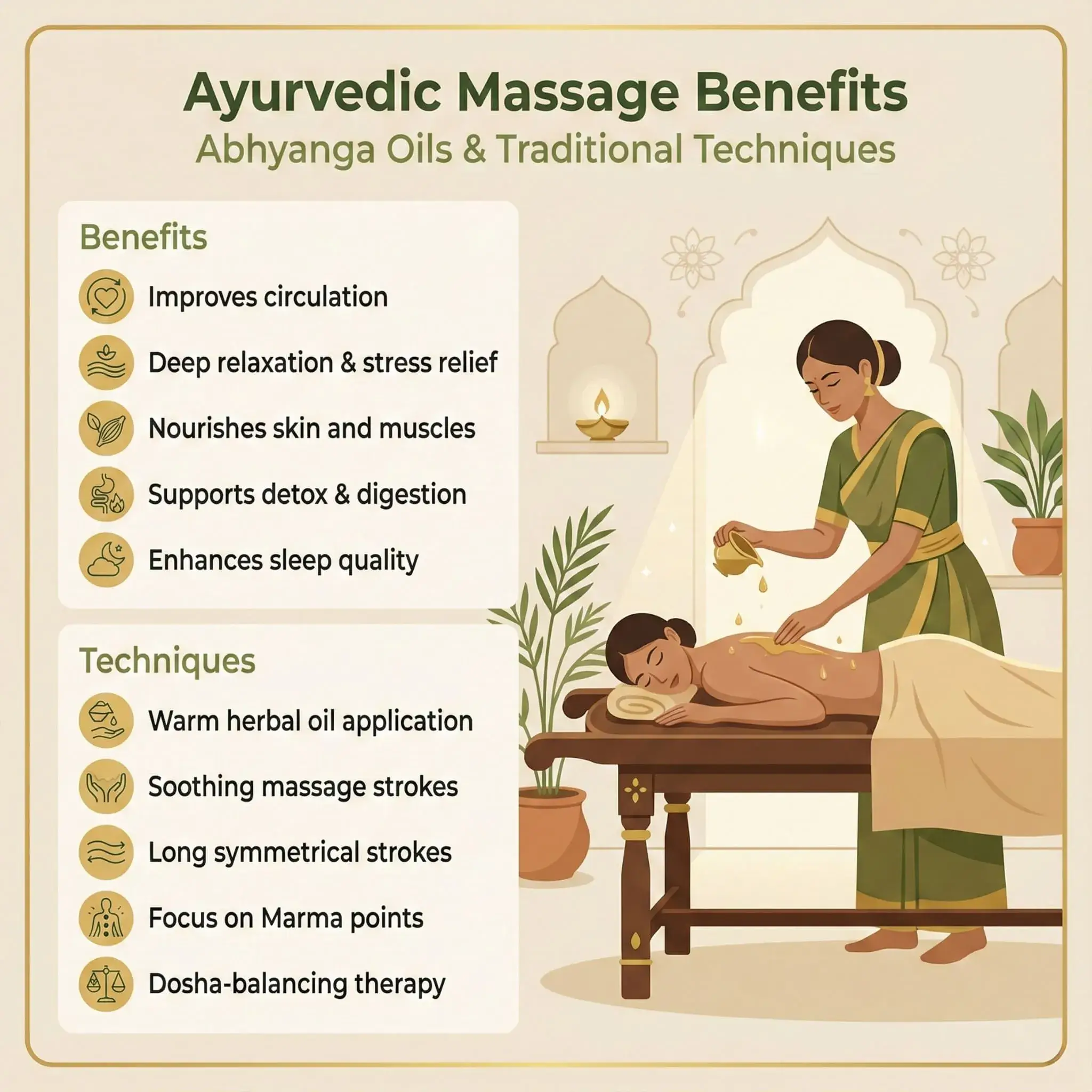
Long before massage became a wellness trend, Indian households practiced a daily ritual called Abhyanga—warm oil massage passed down through generations. Grandmothers massaged infants with coconut oil. Athletes prepared for competition with sesame oil rubdowns, using oils to enhance performance and recovery. The practice was so fundamental that Ayurvedic texts describe it as essential as eating and sleeping.
Abhyanga (pronounced "ahb-YAHN-gah") means "oil massage" in Sanskrit, and it forms a cornerstone of Ayurveda, India's 5,000-year-old system of natural medicine. Unlike massage styles developed primarily for relaxation or sports recovery, Abhyanga was designed as preventive healthcare—a daily practice to maintain balance and ward off disease.
What Makes Ayurvedic Massage Different
Abhyanga isn't just Swedish massage with different oil. It operates from a completely different framework—one based on individual constitution, seasonal rhythms, and the therapeutic properties of specific oils and herbs. Unlike other massage types, Abhyanga operates on the principle that massage is preventive medicine, not just treatment.
The Dosha Framework
Ayurveda classifies people into three primary constitution types called doshas: Vata, Pitta, and Kapha. Each dosha has distinct physical and mental characteristics, and each responds best to specific massage approaches, oils, and techniques.
| Dosha | Characteristics | When Imbalanced | Massage Needs |
|---|---|---|---|
| Vata (Air/Space) | Thin build, dry skin, creative, energetic | Anxiety, insomnia, dry skin, constipation | Warming oils, slow strokes, grounding pressure |
| Pitta (Fire/Water) | Medium build, warm body, focused, driven | Irritability, inflammation, skin rashes, heartburn | Cooling oils, moderate pace, calming touch |
| Kapha (Earth/Water) | Solid build, oily skin, calm, steady | Lethargy, weight gain, congestion, depression | Stimulating oils, vigorous strokes, energizing work |
Most people have one dominant dosha with a secondary influence—for example, Vata-Pitta or Pitta-Kapha. A skilled Ayurvedic practitioner assesses your constitution and current state of balance to customize the massage approach accordingly. Vata types benefit from more frequent massage, while Pitta types need cooling oils for nervous system balance, and Kapha types require stimulating techniques for energy and circulation.
Oil as Medicine
In Abhyanga, oil isn't just a lubricant—it's the primary therapeutic agent. The Sanskrit word for oil, "sneha," also means love, reflecting the nurturing quality attributed to this practice. Warm, herb-infused oils are believed to penetrate the skin, nourish tissues, and carry therapeutic properties throughout the body.
Modern research supports that certain compounds in massage oils can indeed absorb through the skin. Whether the traditional explanations hold up scientifically, the experience of warm oil massage is undeniably different from dry massage—more nourishing, warming, and deeply relaxing.
Traditional Oils Used in Abhyanga
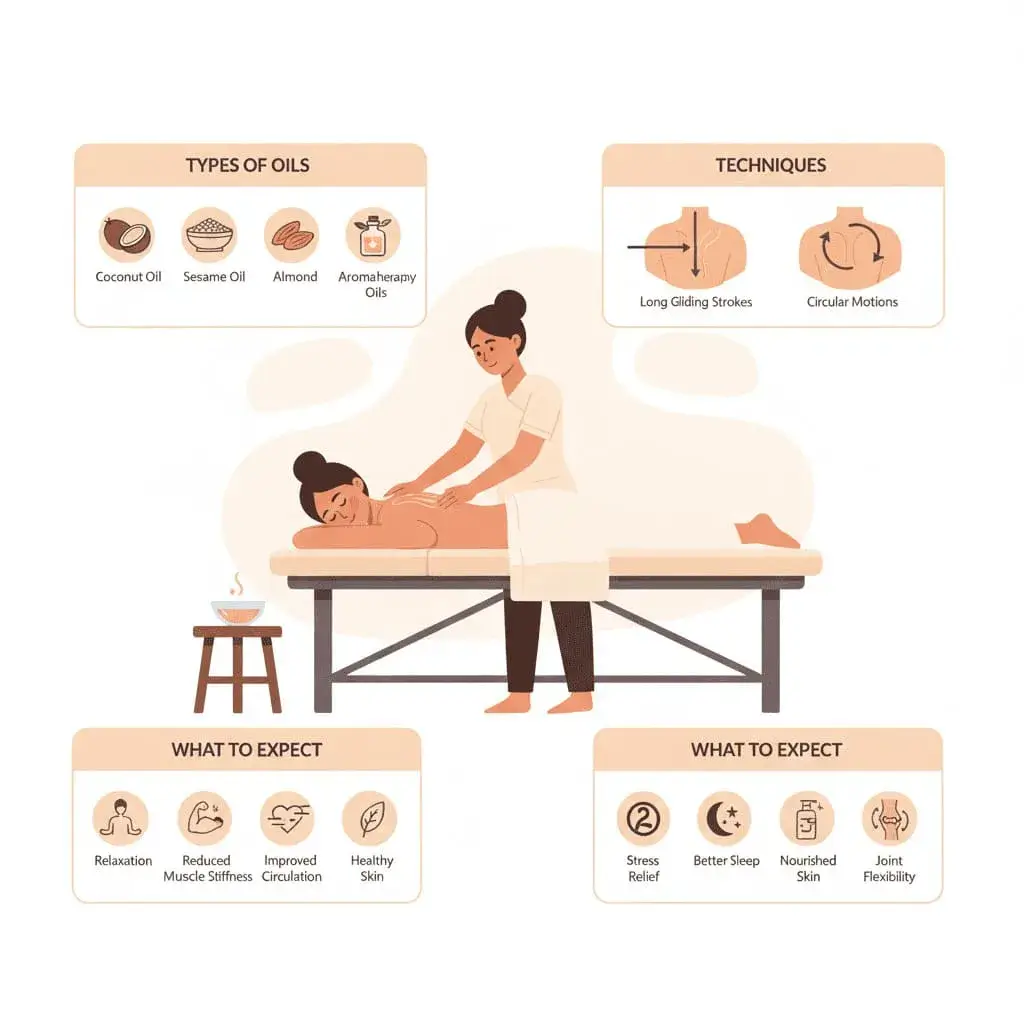
The choice of oil in Abhyanga is never random. Traditional practitioners select oils based on your dosha, the season, and any imbalances being addressed. Here are the most commonly used oils and their applications:
Base Oils
| Oil | Properties | Best For | Seasonal Use |
|---|---|---|---|
| Sesame Oil | Warming, penetrating, nourishing | Vata types, cold weather, dry skin | Fall and Winter |
| Coconut Oil | Cooling, light, soothing | Pitta types, hot weather, sensitive skin | Summer |
| Sunflower Oil | Neutral, light, easily absorbed | All types, general use | Year-round |
| Mustard Oil | Very warming, stimulating, penetrating | Kapha types, cold/damp conditions | Winter (North India tradition) |
| Almond Oil | Slightly warming, nourishing, gentle | Vata and Pitta, sensitive skin | Fall and Spring |
Medicated Oils
Traditional Ayurvedic pharmacies prepare medicated oils by cooking base oils with specific herbs, sometimes for days. These oils carry the therapeutic properties of their herbal ingredients:
Mahanarayan Oil
Muscle and joint support for stiffness and pain. Commonly used for athletic recovery and chronic joint concerns. Learn about pain relief.
Brahmi Oil
Calming for the mind and traditionally used for head massage and sleep support. Reduces mental anxiety and promotes clarity. Better sleep benefits.
Bhringraj Oil
Hair and scalp health, also calming for the nervous system. Helps with stress and supports overall grounding. Stress & anxiety relief.
Ashwagandha Oil
Strength and vitality for Vata imbalances. Supports nervous system resilience and anxiety management. Anxiety relief strategies.
Kumkumadi Oil
Traditional skin radiance and facial massage. Deeply nourishing for facial health and overall skin rejuvenation. Oil massage benefits.
Benefits of Abhyanga Massage
The Charaka Samhita, a foundational Ayurvedic text over 2,000 years old, lists numerous benefits of regular Abhyanga. Modern research has begun to validate several of these traditional claims.
1. Nourished, Healthier Skin
Oil massage delivers fatty acids and fat-soluble vitamins directly to your skin. Regular practice keeps skin supple, may slow visible aging, and helps maintain the skin's protective barrier. This is especially valuable for those with dry skin or conditions like eczema.
2. Improved Circulation
The systematic strokes of Abhyanga, traditionally moving toward the heart, support blood and lymph circulation. Better circulation means more efficient nutrient delivery and waste removal throughout the body, supporting overall health and recovery.
3. Calmed Nervous System
Warm oil massage powerfully activates the parasympathetic nervous system—your "rest and digest" mode. Studies on massage therapy consistently show reduced stress and increased relaxation hormones. The grounding quality of oil adds an extra calming dimension many people notice, making it particularly effective for managing anxiety and mental strain.
"A study found that Abhyanga performed on healthy individuals significantly reduced heart rate and blood pressure, indicating activation of the relaxation response."
4. Better Sleep
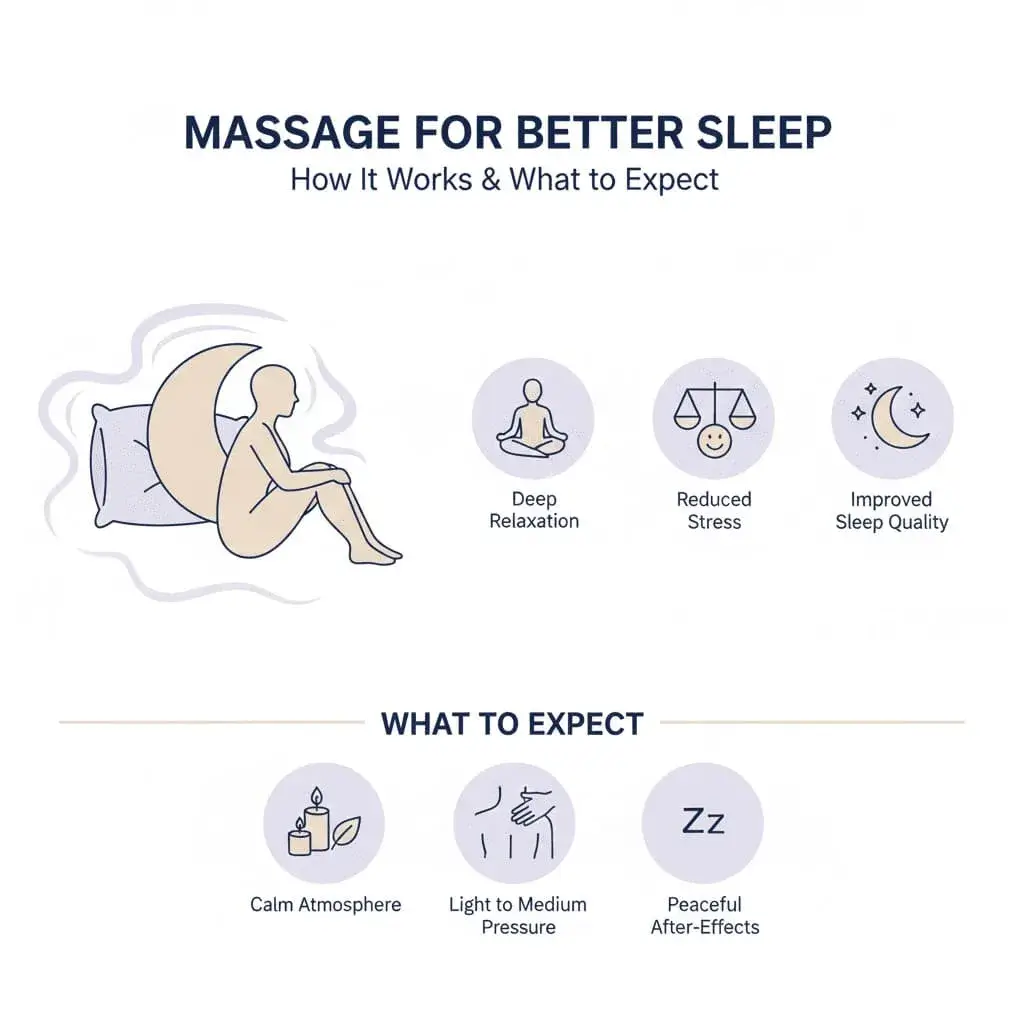
Traditional texts recommend Abhyanga before bed to promote sound sleep. The nervous system calming, muscle relaxation, and grounding effect of warm oil make it an effective pre-sleep ritual. Many people find evening self-massage significantly improves their sleep quality, especially when combined with consistent practice.
5. Reduced Muscle and Joint Stiffness
The combination of massage technique and warm oil penetration helps loosen tight muscles and stiff joints. This is particularly valuable in the morning when stiffness peaks, or for those with chronic tension patterns.
6. Supported Immune Function
Ayurveda considers healthy skin and good circulation essential for immunity. By supporting lymphatic flow and reducing chronic stress (which suppresses immune function), regular Abhyanga may contribute to overall disease resistance.
7. Mental Clarity and Emotional Balance
The grounding quality of Abhyanga is particularly valued for scattered or anxious mental states. The ritual itself—taking time for self-care, the sensory experience of warm oil—has psychological benefits beyond the physical effects.
What to Expect in a Professional Abhyanga Session
A traditional Abhyanga session differs noticeably from Western massage styles. Understanding what to expect helps you receive maximum benefit.
Before the Session
- Consultation about your constitution (dosha), current health, and goals
- Discussion of any health conditions or concerns
- Selection of appropriate oil based on your needs
- The oil is warmed to a comfortable temperature
During the Session
Abhyanga uses generous amounts of warm oil—much more than you might expect from other massage styles. The therapist applies oil continuously throughout the session, maintaining a warm, lubricated surface that allows long, flowing strokes.
Traditional technique includes specific stroke patterns: long strokes on limbs (moving toward the heart), circular movements on joints, and clockwise circles on the abdomen. The scalp, face, and feet typically receive special attention.
- Session typically lasts 45-90 minutes
- Pressure is generally moderate—firm enough to be effective but not painful
- The pace is rhythmic and steady, often synchronized with your breathing
- Warm towels may be used between sections to maintain comfort
- Some practitioners incorporate marma point therapy (Ayurvedic pressure points)
After the Session
Traditionally, the oil is left on the skin for 15-30 minutes after massage to allow continued absorption. Some practitioners recommend leaving oil on even longer, or overnight for maximum benefit.
- Rest quietly for a few minutes after treatment
- A warm bath or shower can follow, using minimal soap
- Drink warm water or herbal tea
- Avoid cold drinks, cold environments, and intense activity
- Eat light, warm food if hungry
Self-Abhyanga: The Daily Practice
While professional Abhyanga is valuable, the tradition emphasizes daily self-massage as the foundation of practice. Even 10-15 minutes of self-Abhyanga before your morning shower can significantly impact how you feel.
How to Practice Self-Abhyanga
7-Step Self-Abhyanga Practice
Prepare Your Space
Warm your oil by placing the bottle in hot water for 5-10 minutes. Gather an old towel to protect surfaces and ensure your room is warm and comfortable. The environment sets the tone for a nourishing practice.
Start with Head (Optional)
Apply oil to your scalp and massage with fingertips using gentle circular motions. This calms the nervous system and is especially grounding for Vata types who benefit from this focus.
Face and Ears
Apply gentle circular motions on your face, paying attention to each area. Remember to massage inside and behind ears where many nervous system connection points exist, promoting deep relaxation.
Arms and Shoulders
Use long strokes on your upper and lower arms, moving toward the heart to support circulation. Apply circular motions on shoulder, elbow, and wrist joints, helping maintain flexibility and ease tension.
Torso
Make broad circular strokes on your chest moving toward the heart. Use clockwise circles on your abdomen to support digestion. Reach your back as far as comfortably possible, working with long strokes.
Legs and Feet
Apply long strokes on thighs and calves, moving toward the heart. Use circular motions on hip, knee, and ankle joints. Spend extra time on your feet—they contain many vital marma points that support overall wellness.
Rest and Absorb
Wait 10-20 minutes before showering if possible to allow the oil to absorb deeply into your skin. Use warm water and minimal soap to retain the therapeutic benefits. This integration period is crucial for better sleep when done in the evening.
Abhyanga for Different Constitutions
Tailoring your Abhyanga practice to your dosha maximizes benefits. Here are specific recommendations:
For Vata Types
Vata individuals benefit most from Abhyanga and should practice it most frequently—daily if possible. The warm, heavy, grounding qualities of oil directly counter Vata's cold, light, mobile nature. This is why massage helps with anxiety common in Vata types, and why daily practice is recommended for this constitution.
- Best oils: Sesame, almond, or Ashwagandha-infused oils
- Technique: Slow, steady, grounding strokes
- Frequency: Daily, especially in fall and winter
- Focus areas: Feet, lower back, head
For Pitta Types
Pitta individuals run warm and need cooling, calming oils. Abhyanga helps balance Pitta's intensity and prevents overheating. This cooling quality is why massage is recommended for stress relief and emotional balance, and why evening practice supports deeper, more restorative sleep.
- Best oils: Coconut, sunflower, or Brahmi-infused oils
- Technique: Moderate pace, cooling intention
- Frequency: 3-4 times per week, more in summer
- Focus areas: Head, feet, heart area
For Kapha Types
Kapha individuals may need less oil and more stimulating technique. The goal is to energize rather than further ground an already stable constitution. This stimulating approach mirrors sports massage techniques for athletic recovery, using vigorous strokes to enhance circulation and prevent the heaviness Kapha types experience.
- Best oils: Light sesame, mustard, or dry powder massage (Udvartana)
- Technique: Vigorous, stimulating strokes
- Frequency: 2-3 times per week, or dry brushing daily
- Focus areas: Abdomen, thighs, lymph areas
Modern Applications of Abhyanga
While rooted in ancient practice, Abhyanga has modern applications that make it relevant today:
Stress Management
In a world of constant stimulation, the grounding, sensory experience of warm oil massage offers a powerful counterbalance. This is backed by research on stress reduction and anxiety relief through massage. The ritual aspect—taking dedicated time for self-care—is itself therapeutic, with grounding effects that go beyond the physical benefits.
Sleep Support
For those struggling with sleep, evening Abhyanga provides a natural, non-pharmaceutical approach. The practice signals to your nervous system that it's time to wind down, making it equally effective as dedicated massage protocols for better sleep. The warm oil and calming ritual create the ideal conditions for deep, restorative rest.
Skin Health
In an era of expensive skincare products, traditional oil massage offers a simple, effective approach to skin nourishment. The benefits of regular oil massage have been documented for centuries, with many people finding that Abhyanga improves their skin more than synthetic products. This is especially true for those with dry or sensitive skin conditions.
Athletic Recovery
Athletes increasingly use Abhyanga principles for recovery. The circulation-boosting and muscle-relaxing effects support post-workout recovery, while specific medicated oils like Mahanarayan can address athletic demands similar to sports massage techniques. Many athletes find that regular Abhyanga prevents injury and maintains peak performance.
Who Benefits Most from Abhyanga?
- Those with dry skin or conditions like eczema—oil massage nourishes skin naturally
- People experiencing high stress or anxiety—warm oil calms the nervous system
- Anyone with sleep difficulties—evening Abhyanga is a natural sleep aid
- Those feeling ungrounded, scattered, or overwhelmed—the grounding quality of oil naturally centers you
- People interested in traditional wellness practices—Abhyanga is 5,000 years of proven healing
- Athletes seeking natural recovery support—similar to sports massage for muscle recovery
- Anyone wanting a sustainable self-care practice—just 10-15 minutes daily makes a difference
- Those who find Western massage styles too intense—Abhyanga is gentler and more meditative
When to Avoid Abhyanga
Traditional guidelines advise avoiding or modifying Abhyanga in certain situations:
- During acute illness or fever—rest and internal healing take priority
- Immediately after eating (wait 2-3 hours)—digestion requires internal circulation focus
- During indigestion or nausea—massage can intensify digestive discomfort
- Over areas of inflammation, infection, or broken skin—avoid further irritation
- During menstruation (some traditions; others modify practice)—listen to your body and adjust
- During first trimester of pregnancy—wait until second trimester with practitioner guidance
- Severe Kapha imbalance with congestion—might increase heaviness (dry massage preferred)
Frequently Asked Questions
How is Abhyanga different from regular oil massage?
Can I do Abhyanga if I don't know my dosha?
How much oil should I use for self-Abhyanga?
Should I shower before or after Abhyanga?
How long before I notice benefits from regular Abhyanga?
Can Abhyanga help with joint pain?
Is Abhyanga safe during pregnancy?
Why does Ayurveda emphasize oiling the feet?
Bringing Ancient Practice into Modern Life
Abhyanga has survived for millennia because it works. The simple act of applying warm oil to your body with attention and care produces effects that modern life desperately needs: grounding, nourishment, and a direct experience of caring for yourself.
You don't need to become an Ayurvedic scholar to benefit from this practice. Start simply—warm some sesame or coconut oil, spend 10 minutes massaging it into your skin before a shower, and notice how you feel. That's enough to begin experiencing what millions of Indians have known for thousands of years.
Whether you practice self-Abhyanga at home or receive professional treatment, you're connecting with one of humanity's oldest continuous healing traditions. In a world of endless new products and trends, there's something valuable about a practice that has stood the test of five thousand years.