
Hot Stone Massage at Home: Benefits and What to Expect
Warm stone therapy for deep muscle relaxation - brought to your home
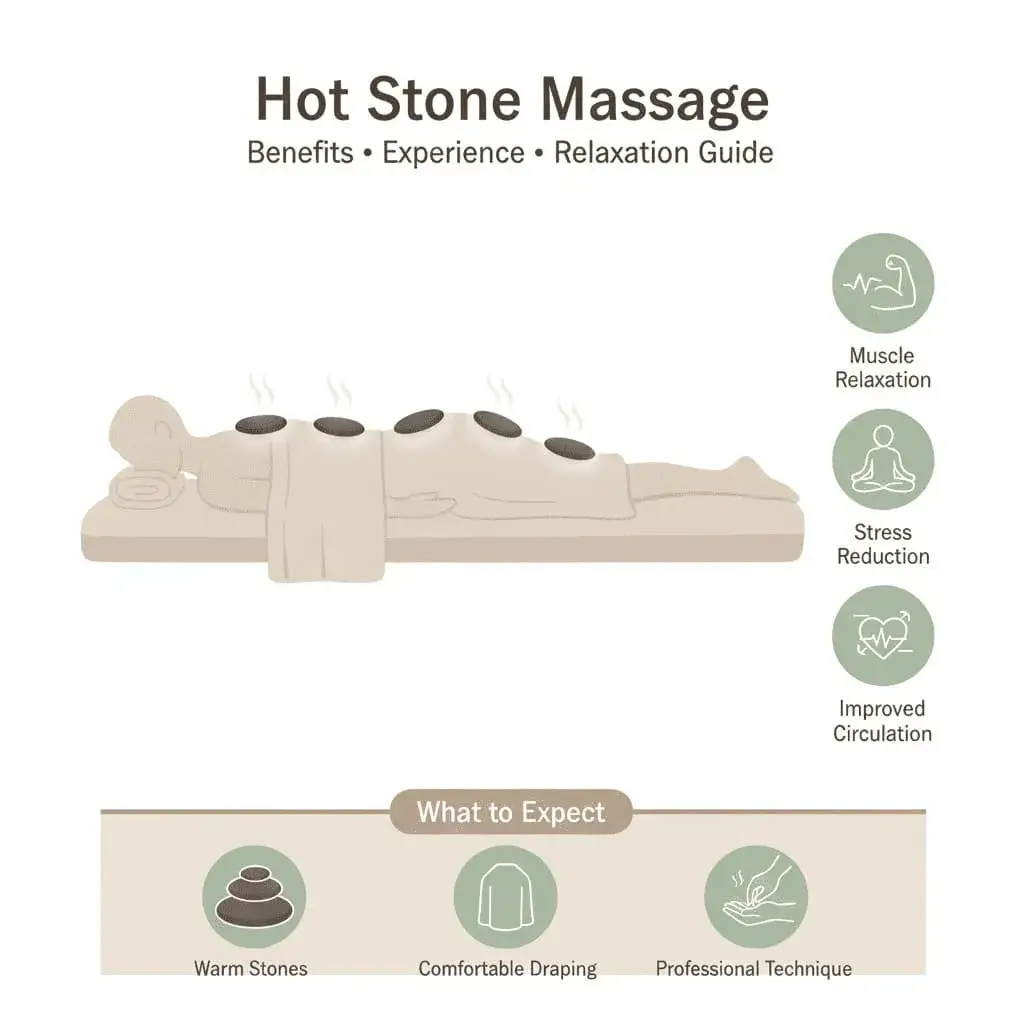
There's something deeply comforting about the warmth of heated stones on tired muscles. Hot stone massage taps into this comfort, using smooth, heated volcanic stones to melt away tension in ways that hands alone cannot achieve. The heat penetrates deep into muscle tissue, allowing the therapist to work more effectively while you experience profound relaxation.
Hot Stone Massage is a 75-minute service on our menu - stone placement and heat need proper setup time, so the session runs longer than a standard 60-minute massage. The therapist brings everything needed to your home. The exact price for your city is on the live price list.
Heated stones appear in old healing traditions across several cultures. Today's hot stone massage combines those roots with modern technique, creating a treatment that's both deeply relaxing and genuinely useful for tense muscles.
How Hot Stone Massage Works
Hot stone massage uses smooth, flat stones, typically basalt, a type of volcanic rock that retains heat exceptionally well. The stones are warmed to a comfortable temperature, then used in two main ways during the session.
Stone Placement
Heated stones are placed on specific points of the body where they rest and radiate warmth into the underlying tissues. Common placement areas include:
- Along both sides of the spine
- On the palms of the hands
- Between the toes or on the soles of the feet
- On the stomach or chest
- On the forehead or face
- On the shoulders and neck
While stones rest on these points, heat radiates into the muscles, increasing blood flow and beginning the relaxation process before the therapist even starts hands-on work.
Active Massage
The therapist also holds heated stones and uses them as massage tools, gliding them along muscles with oil. The combination of heat and pressure allows deeper work with less discomfort than traditional deep tissue massage using hands alone. Many therapists alternate between stone work and traditional hand techniques throughout the session.
The Science of Heat Therapy
Heat produces several effects in the body that enhance massage benefits:
- Blood vessels expand, increasing circulation to the area
- Heat reduces muscle tension and spasm
- Warm muscles stretch more easily
- Heat sensations can override pain signals
- Warmth speeds up the processes inside cells
Benefits of Hot Stone Massage
The combination of heat therapy and massage produces benefits that exceed either treatment alone:
1. Deep Muscle Relaxation
Heat penetrates deeper and faster than pressure alone. Muscles that might resist conventional massage often release under the sustained warmth of hot stones. This makes hot stone massage particularly effective for chronic muscle tension that hasn't responded to other massage approaches.
2. Pain Relief
Research supports heat therapy for various pain conditions. The warmth increases circulation (bringing healing nutrients), relaxes muscle spasms, and provides sensory input that competes with pain signals. Many clients with chronic back pain, arthritis, or fibromyalgia find hot stone massage helpful.
3. Improved Circulation
Heat causes blood vessels to widen, increasing blood flow to treated areas. This enhanced circulation delivers more oxygen and nutrients while removing waste products. The effect extends beyond the massage session, supporting ongoing tissue recovery.
4. Stress and Anxiety Reduction
The warmth of hot stones triggers a deep relaxation response. Many people describe the sensation as being wrapped in comfort. The heat feels nurturing in a fundamental way. Combined with massage's known stress-reducing effects, hot stone therapy is exceptionally effective for mental relaxation and anxiety relief.
5. Better Sleep
The deep relaxation achieved during hot stone massage often translates to improved sleep that night and beyond. The combination of reduced muscle tension, lowered stress hormones, and overall calm creates ideal conditions for restful sleep.
6. Greater Range of Motion
Heat helps muscles and connective tissue stretch more easily. Following hot stone massage, many people notice improved flexibility and easier movement, particularly in areas that were previously stiff or restricted.
7. Effective Deeper Work with Less Discomfort
For those who need deep tissue work but find it too intense, hot stone massage offers a solution. The heat pre-relaxes muscles, allowing the therapist to access deeper layers with less pressure. You get therapeutic depth without the "hurts so good" intensity of traditional deep tissue massage.
What to Expect During a Hot Stone Session
Knowing what happens during a hot stone massage helps you relax and receive full benefit from the treatment.
The Hot Stone Massage Journey
Preparation
Drink water beforehand and settle into a quiet room. Mention any health conditions or heat sensitivities. Keep jewelry off before the session starts.
Initial Warmup
Your therapist begins with traditional massage to warm your muscles, assess tension areas, and apply massage oil. This prepares your body for the heat.
Stone Placement Phase
Heated stones are placed on specific points: spine, palms, feet, chest. You feel warmth radiating into your muscles as stones rest in place.
Active Stone Massage
Your therapist uses heated stones as massage tools, gliding them along muscles with smooth, flowing motions. Pressure adjusts as muscles relax.
Recovery & Transition
Stones are removed and final traditional massage completes the session. You transition slowly to rest, absorbing the deep relaxation.
Before Your Session
- Drink water beforehand, as heat and massage both work better when you're well-hydrated
- Avoid heavy meals within 1-2 hours of your appointment
- Mention any health conditions, medications, or heat sensitivities
- Mention specific areas of tension or concern
- Remove jewelry that might interfere with stone placement
During the Session
You'll undress to your comfort level and lie on a massage table, covered with a sheet or towel. The therapist brings everything needed, including the stones and heating equipment, and keeps the stones at a safe, comfortable temperature throughout.
The session typically begins with traditional massage to warm your muscles with oil and assess tension areas. Then the therapist introduces heated stones, some placed on the body, others used for massage. You'll feel warmth spreading from each stone, followed by the gliding sensation as the therapist uses stones to massage.
- On our menu, Hot Stone Massage is a 75-minute session
- The therapist constantly monitors stone temperature
- Stones are changed out as they cool
- Communication is welcome, so speak up about temperature or pressure
- Some therapists incorporate cold stones for contrast (discussed below)
After the Session
Most people feel deeply relaxed, warm, and somewhat dreamy after hot stone massage. Take your time getting up, as the combination of heat and relaxation can leave you lightheaded if you rise too quickly.
- Drink plenty of water to stay hydrated
- Avoid intense exercise or cold environments immediately after
- Take advantage of the relaxed state and avoid stressful activities if possible
- Some mild muscle tenderness is normal if deep work was performed
- The warmth and relaxation often continue for hours afterward
Types of Stones Used
Basalt Stones (Hot)
The primary stones used in hot stone massage are basalt, a dark, fine-grained volcanic rock. Basalt is ideal because it:
- Retains heat exceptionally well
- Has a smooth texture that glides easily on oiled skin
- Is naturally shaped by water (river basalt is preferred)
- Comes in various sizes for different body areas
- Is durable and withstands repeated heating
Marble Stones (Cold)
Some practitioners use cold marble stones alongside hot basalt, a technique called contrast therapy. Cold stones narrow blood vessels (the opposite of heat), and alternating between hot and cold creates a pumping action that enhances circulation and can reduce swelling.
Cold stones are typically used on the face, swollen areas, or at the end of a session to refresh you. Not all hot stone massages include cold stones, so ask your therapist if you're interested or if you'd prefer heat only.
Hot Stone Massage vs. Other Styles
| Factor | Hot Stone | Swedish | Deep Tissue |
|---|---|---|---|
| Primary benefit | Deep relaxation through heat | General relaxation | Chronic tension relief |
| Intensity | Gentle to moderate | Light to moderate | Moderate to firm |
| Best for | Stress, stiff muscles, cold intolerance | Stress relief, general wellness | Knots, chronic pain |
| Heat involved | Yes, core feature | No | No |
| Post-massage feeling | Warm, deeply relaxed, dreamy | Relaxed, peaceful | Relieved, possibly sore |
| Session length | 75 minutes on our menu | 60 minutes | 90 minutes |
| Discomfort level | Minimal | Minimal | Can be intense |
Who Benefits Most from Hot Stone Massage?
Hot stone massage is particularly well-suited for certain people and situations:
People Who Run Cold
If you're always cold, have poor circulation to your hands and feet, or find yourself dreading the chill of a massage table, hot stone massage provides welcome warmth. The heated stones feel especially good for those whose muscles tighten in response to cold.
Those with Chronic Muscle Tension
Long-held tension often resists conventional massage because muscles have learned to stay contracted. The penetrating warmth of hot stones can reach these stubborn areas, encouraging release that might not happen otherwise with other massage approaches.
People Who Find Deep Tissue Too Intense
If you need deeper work but can't tolerate the intensity of traditional deep tissue massage, hot stone massage offers an alternative. Heat pre-relaxes muscles, allowing effective work at deeper levels with less discomfort.
High-Stress Individuals
The combination of warmth and massage creates deep relaxation. For those whose stress levels remain high even during regular massage, the additional element of heat often makes the difference.
AC Offices, Monsoon Damp, and North Indian Winters
Cold isn't only a winter problem in India. Hours in an air-conditioned office stiffen shoulders and neck. Monsoon damp leaves many people feeling heavy and tight. And in north India, real winter cold sets muscles on edge for months. In all three situations, the deep warmth of hot stones feels especially welcome.
Those Seeking a Special Experience
If you want something beyond standard massage (for a special occasion, as a gift to yourself, or simply to try something different), hot stone massage delivers a distinctive experience that many find memorable.
Who Should Avoid Hot Stone Massage
Heat therapy isn't appropriate for everyone. Avoid hot stone massage or get medical clearance first if you have:
- Diabetes (reduced sensation may prevent you from detecting too-hot stones)
- High blood pressure or heart conditions (heat affects cardiovascular function)
- Peripheral neuropathy or other conditions affecting sensation
- Skin conditions, open wounds, or sunburn in treatment areas
- Pregnancy (especially first trimester)
- Varicose veins in severe form
- Recent surgery
- Blood clotting disorders or on blood thinners
- Fever or acute illness
- Inflammatory conditions during flare-ups
How Often Should You Get Hot Stone Massage?
| Goal | Recommended Frequency | Notes |
|---|---|---|
| General relaxation | Monthly or as desired | Great for regular self-care |
| Chronic tension | Every 2-3 weeks initially | Reduce frequency as tension improves |
| Stress management | Every 2-4 weeks | Consistency helps maintain benefits |
| Seasonal wellness | During north Indian winters or heavy AC months | Counters cold-related tightness |
| Special treat | Occasionally | Perfect for birthdays, celebrations |
| Pain management | Every 1-2 weeks | Coordinate with healthcare provider |
Unlike deep tissue massage, hot stone massage rarely causes next-day soreness, so more frequent sessions are generally comfortable. Most people still choose it for periodic self-care rather than weekly treatment.
Tips for the Best Hot Stone Experience
- Communicate about temperature: stones should feel comfortably hot, never burning
- Stay hydrated by drinking water before and after your session
- Avoid stimulants before your session. Skip coffee or energy drinks beforehand
- Plan for post-massage relaxation and don't schedule demanding activities immediately after
- Choose an experienced therapist, as hot stone work needs specific training
Frequently Asked Questions
Do the hot stones burn?
Is hot stone massage just stones sitting on your back?
Can I get hot stone massage if I have sensitive skin?
Why are basalt stones used instead of other rocks?
Is hot stone massage better than regular massage?
Can hot stone massage help with anxiety?
How is the temperature controlled?
What if I don't like the heat?
The Warmth That Heals
Hot stone massage offers something unique in the massage world: the deep comfort of warmth combined with skilled therapeutic touch. For many people, especially those who carry chronic tension or simply love the feeling of heat sinking into tight muscles, it provides relief and relaxation that other approaches can't match.
The treatment isn't just about physical benefits, though those are real. There's a nurturing quality to being warmed from the outside in - a sense of being cared for that adds to the deep relaxation people describe.
If you've never tried hot stone massage, it's worth experiencing at least once. The sensation of heated stones melting tension, the spreading warmth, the deep relaxation. These are things that descriptions can't fully capture. Your body has to feel it to understand why this practice has lasted so long.
Related Articles
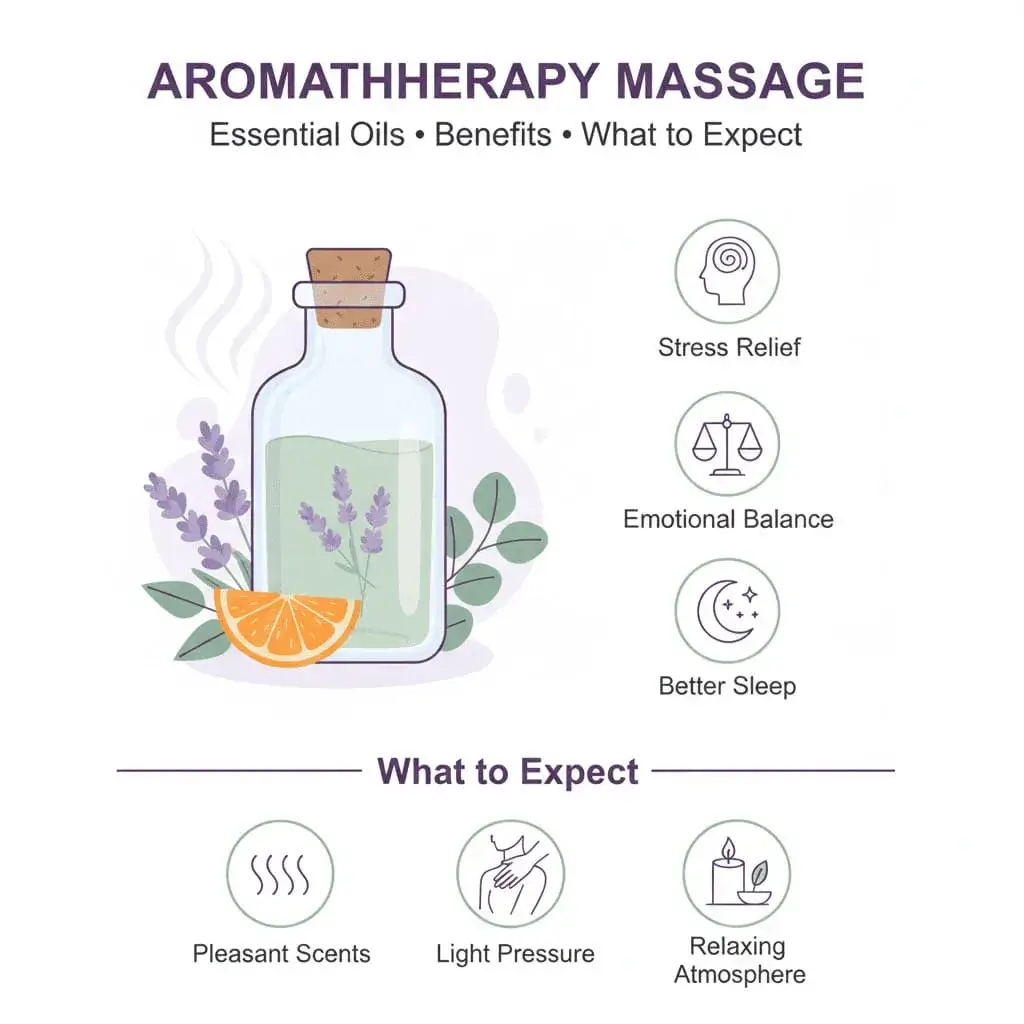
Aromatherapy Massage at Home: Benefits and What to Expect
Aromatherapy massage pairs relaxing strokes with essential oils chosen for your needs. On our menu it is a 60-minute home session. See oils and benefits.
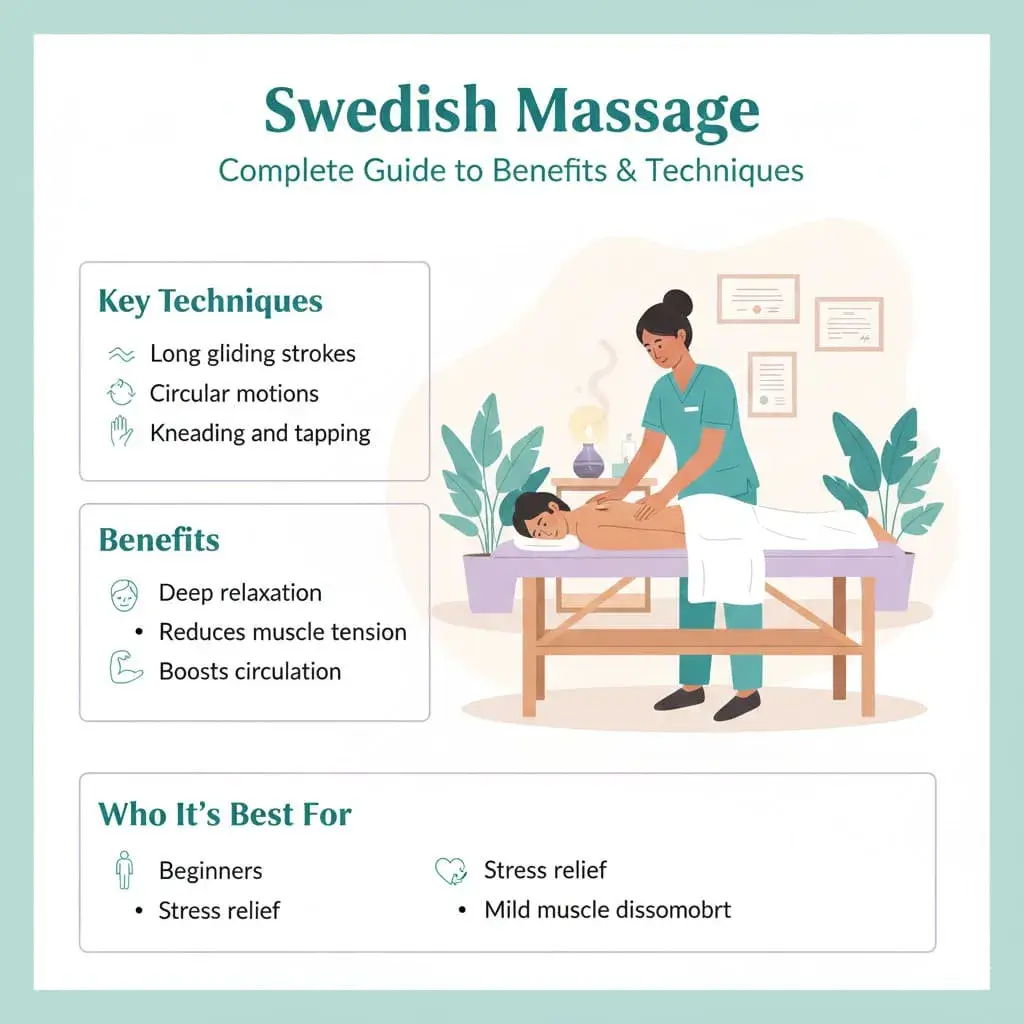
Swedish Massage at Home: Benefits, Techniques and Price
Swedish massage is a gentle full body massage for relaxation. A 60-minute home session starts at ₹1,999 in metro cities. See benefits and techniques.
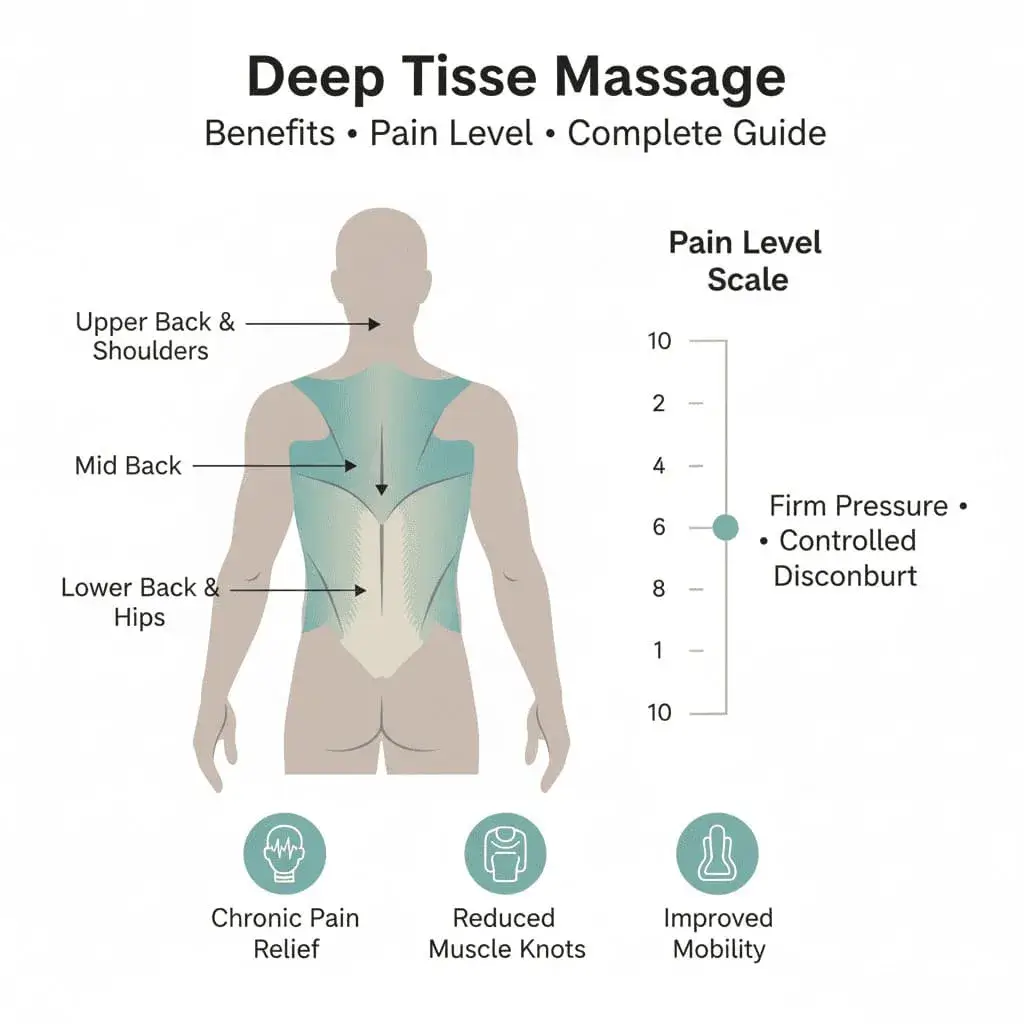
Deep Tissue Massage at Home: Benefits, Price, What to Expect
Deep tissue massage uses slow, firm pressure to release stubborn muscle tension. On our menu it is a 90-minute home session. See benefits, price and prep.
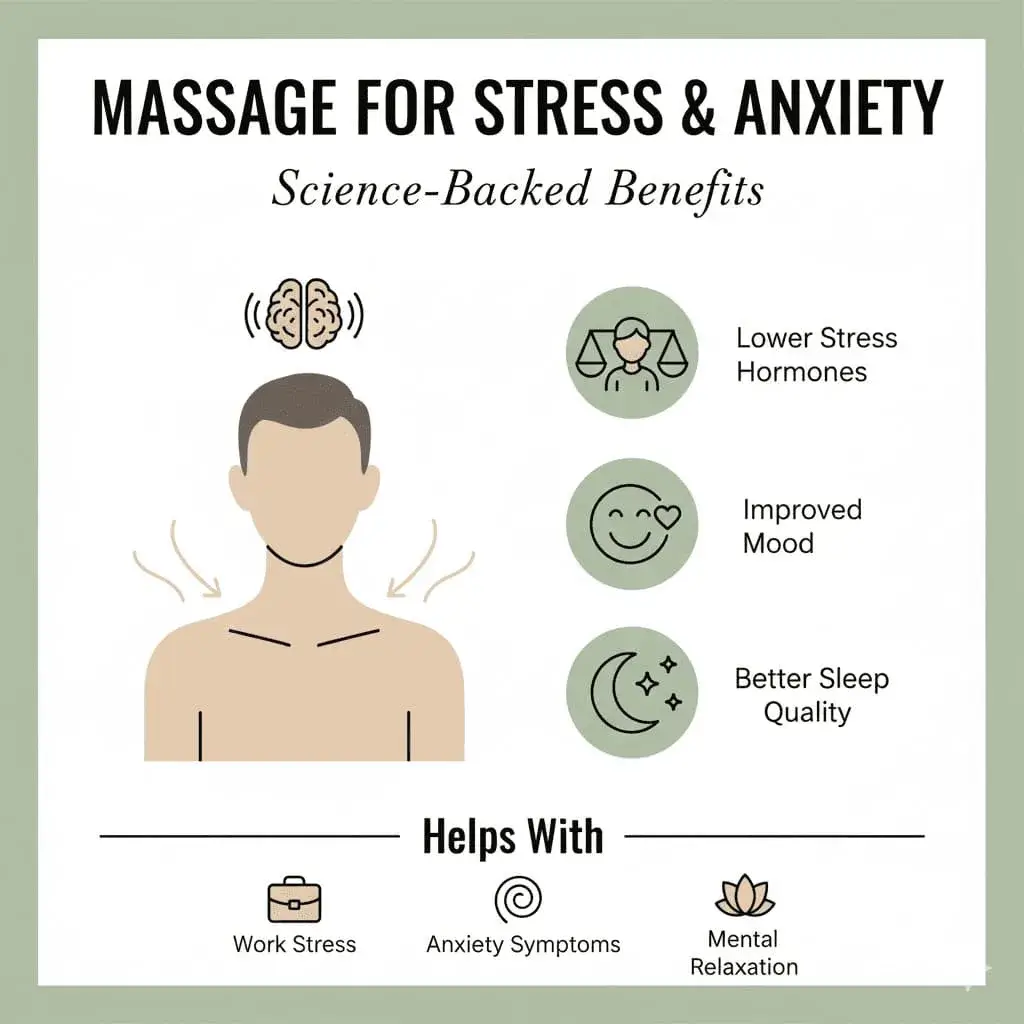
Massage for Stress & Anxiety: Science-Backed Benefits
Discover how massage therapy reduces stress and anxiety through proven mechanisms. Best massage types for relief and what clinical research shows.
Massage Services in Other Cities
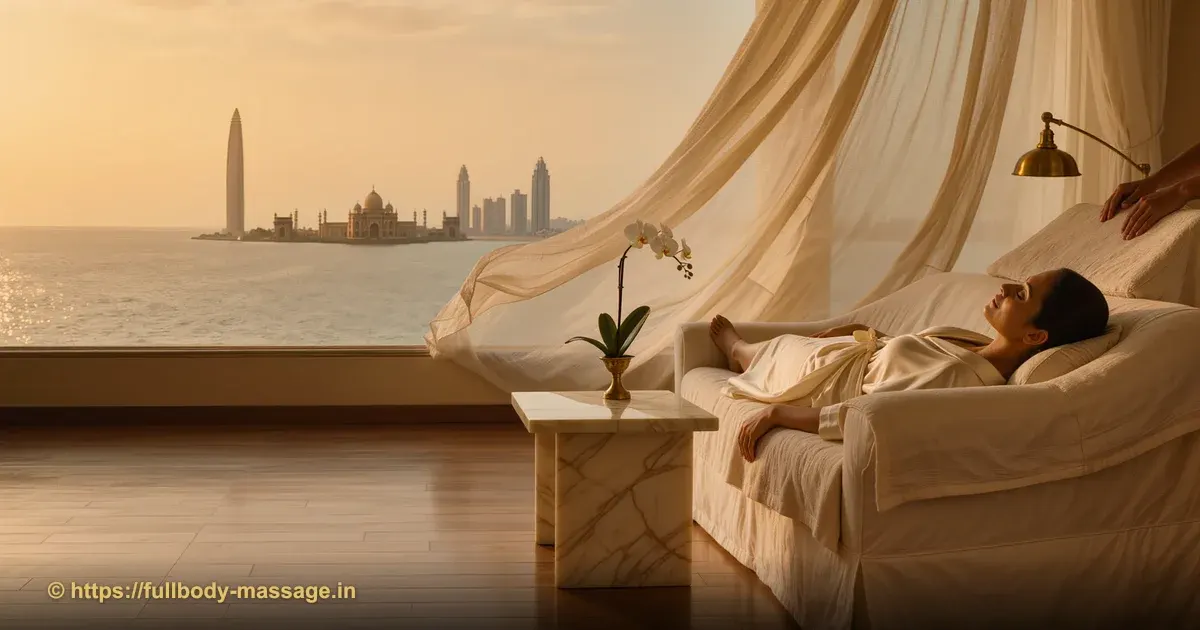
Professional Home Massage in Mumbai
Professional home massage in Mumbai. {{therapist_count}}+ verified therapists, same-day booking, 40+ areas covered. Swedish, deep tissue & Thai massage. Book now.

Professional Home Massage in Delhi NCR
Professional home massage in Delhi NCR. {{therapist_count}}+ verified therapists offering same-day booking across 50+ areas including Gurgaon, Noida, and CP. Book now.
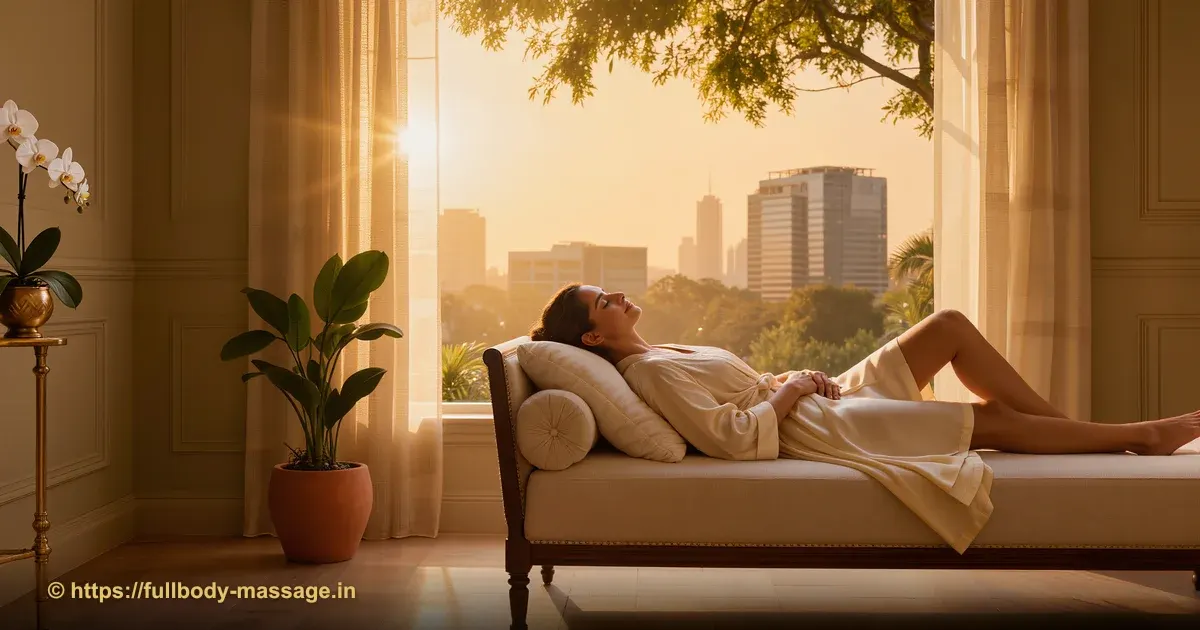
Professional Home Massage in Bangalore
Professional home massage in Bangalore. {{therapist_count}}+ verified therapists, same-day booking across 50+ areas. Koramangala, Whitefield, HSR Layout. Book now.
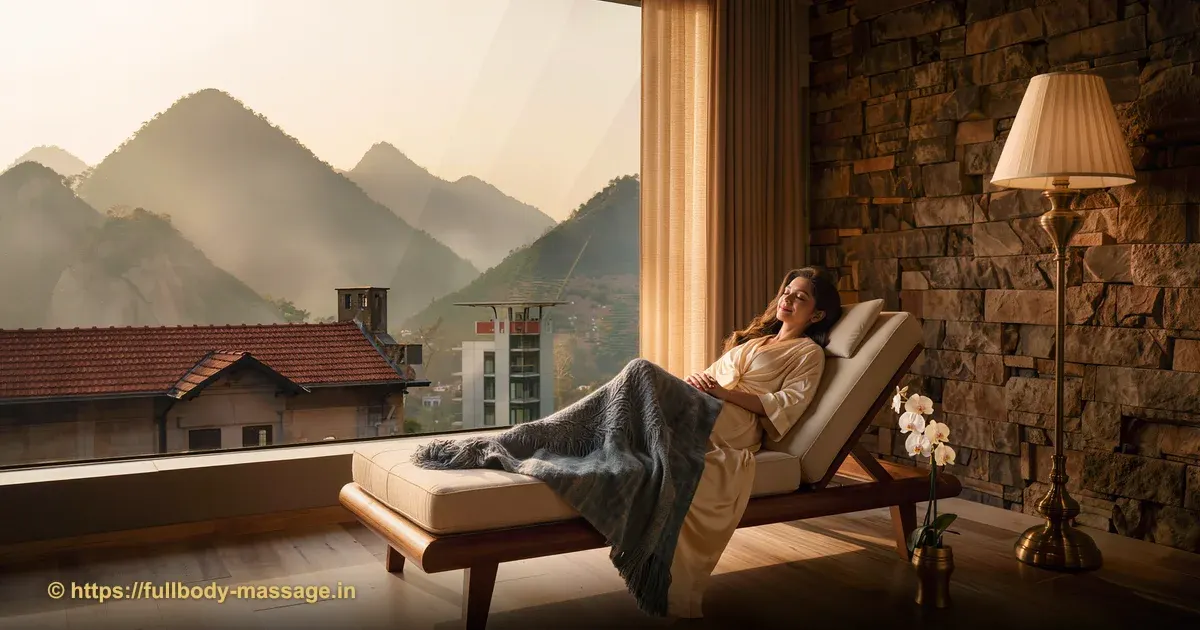
Professional Home Massage in Pune
Professional home massage in Pune. {{therapist_count}}+ verified therapists offering same-day booking across 40+ areas. Koregaon Park, Baner, Hinjewadi. Book now.