
Balinese Massage: Benefits, Techniques and How to Try It
What makes Balinese massage unique and whether it is right for you
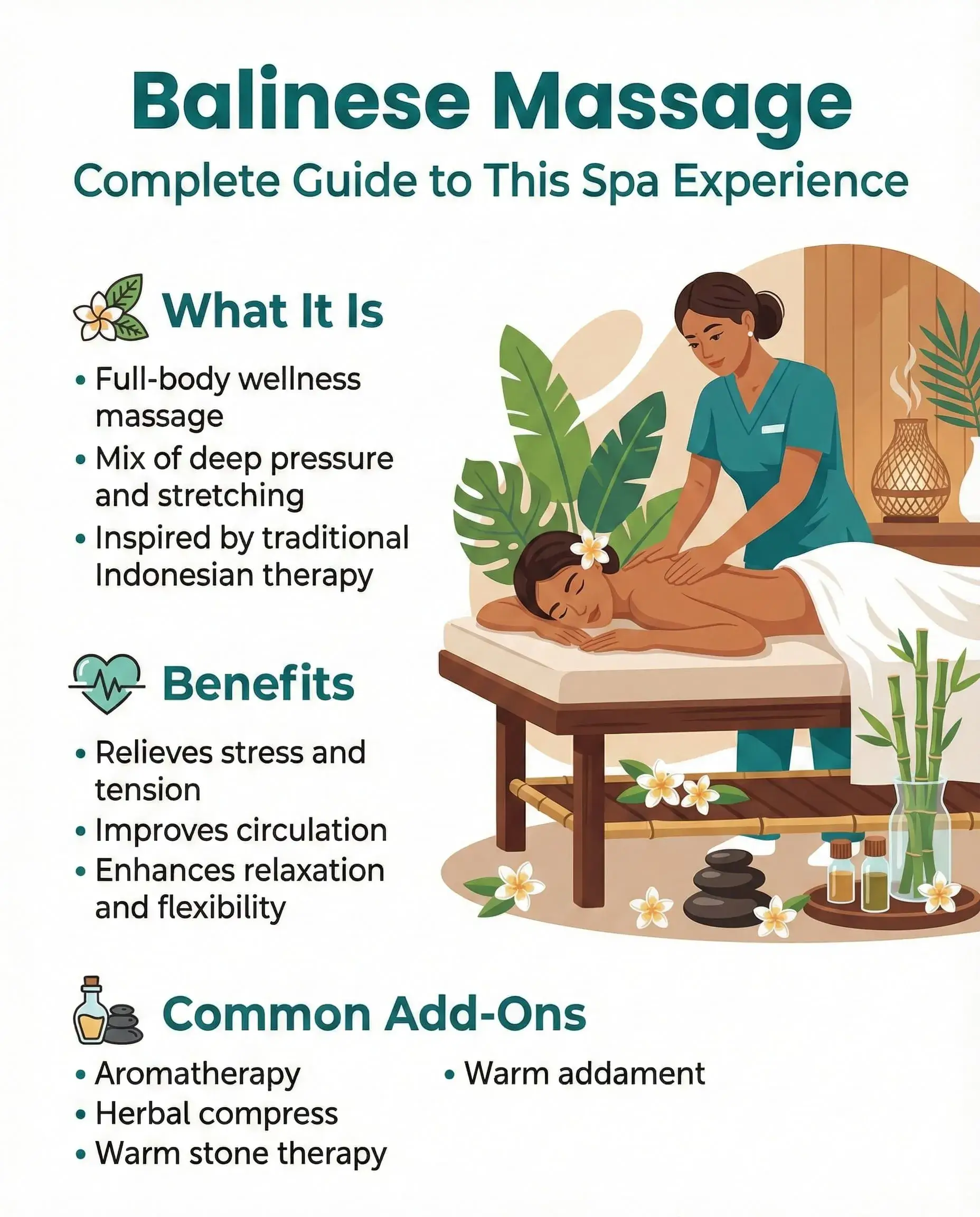
Balinese massage is a traditional Indonesian therapy that combines firm pressure, acupressure, skin rolling, gentle stretches, and generous aromatic oil work in one session. It works on the body and the mind at the same time: the pressure eases tight muscles while the oils calm you down. Unlike single-technique styles, it is not one method but a blend of several approaches working together.
Balinese massage draws from Indonesian healing traditions, Chinese acupressure, Indian Ayurvedic principles, and European massage techniques. This fusion creates something distinctive: a treatment that addresses both physical tension and mental stress through varied touch, aromatic oils, and rhythmic movements.
What Is Balinese Massage?
Balinese massage is a traditional Indonesian therapy that originated on the island of Bali. Unlike single-technique massage styles, it combines multiple methods in one session: deep tissue work, gentle stretching, acupressure on specific points, skin rolling, and firm stroking. The combination creates a full-body treatment that moves between gentle and firm pressure.
A key element is the use of essential oils, typically frangipani, jasmine, sandalwood, or ylang-ylang, which are central to the experience rather than optional add-ons. The scent, combined with the varied techniques, is designed to work on multiple levels: easing muscle tension while also calming the mind and reducing stress.
The Key Techniques Used
What makes Balinese massage feel different from Swedish or deep tissue is the variety of techniques your therapist moves between during a single session:
Acupressure
Borrowed from Chinese medicine, acupressure involves applying firm pressure to specific points along energy pathways in the body. In Balinese massage, therapists press these points with thumbs or fingers, holding for several seconds before releasing. This is believed to help release blocked energy and ease tension in connected muscle groups.
Skin Rolling
This technique involves lifting and rolling the skin between the thumbs and fingers, moving systematically across an area. It feels unusual if you have never experienced it; a gentle pinching and rolling sensation. Skin rolling helps separate the skin from underlying tissues, improving circulation and creating a warming sensation that enhances overall massage benefits.
Palm and Thumb Pressure
Similar to Swedish effleurage but with more sustained pressure, the therapist uses palms and thumbs to apply long, firm strokes along muscles. This helps warm the tissues and prepare them for deeper work. The strokes follow the natural lines of the body, typically moving toward the heart.
Gentle Stretching
Unlike Thai massage where stretching is the focus, Balinese massage incorporates mild stretches as part of the flow. Your therapist might gently rotate a joint, extend a limb, or apply light traction. These movements help improve flexibility and release tension in areas that holding patterns have tightened.
Percussion (Light Tapping)
Some Balinese massage sessions include light rhythmic tapping with the edges of the hands or fingertips. This stimulates circulation and has an invigorating effect, often used to transition between different areas of the body or to finish a section.
The Role of Aromatherapy
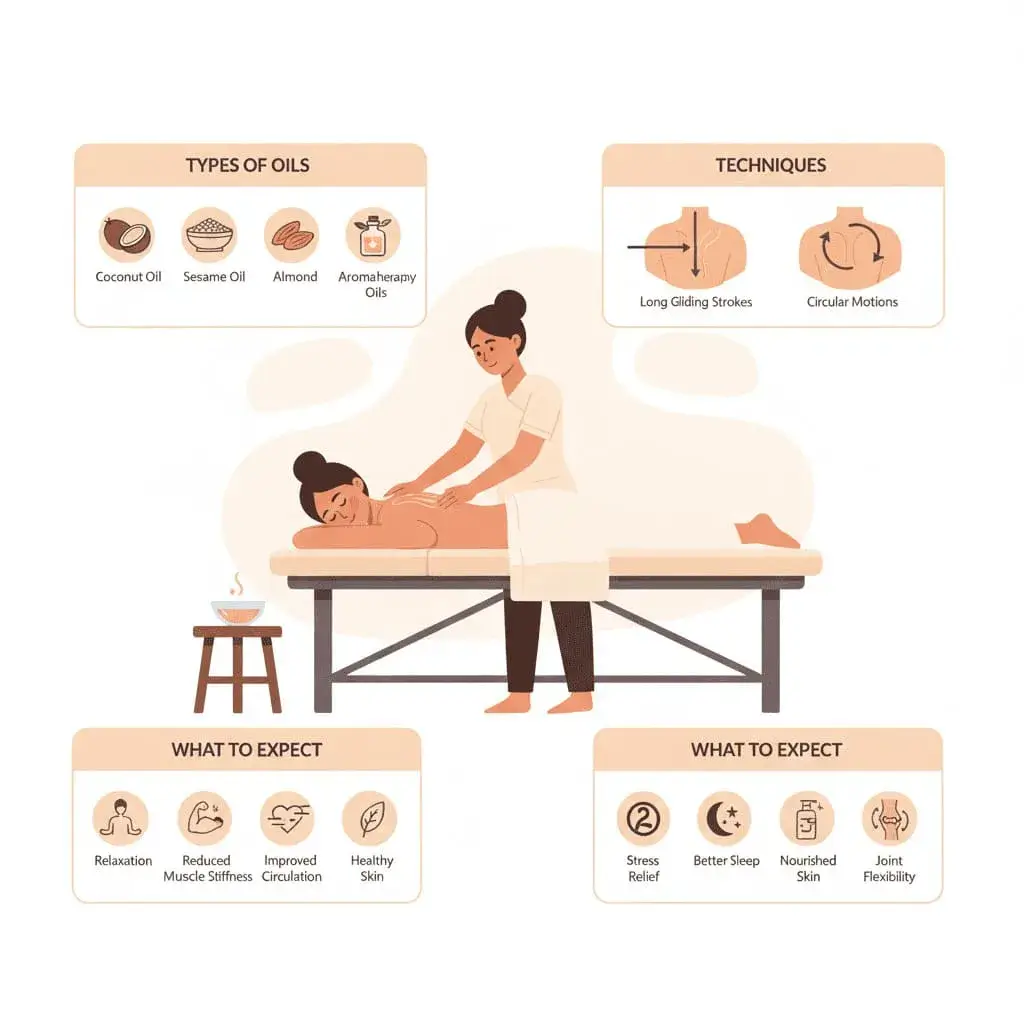
Essential oils are not optional in authentic Balinese massage; they are integral to the treatment. Oil massage benefits are well-documented. The oils serve multiple purposes: they allow smooth gliding during massage strokes, provide therapeutic benefits through skin absorption, and create a sensory experience through scent.
Traditional Balinese massage uses oils like:
- Frangipani (kamboja): Sweet, tropical scent associated with relaxation
- Jasmine: Calming properties, often used for stress-related tension
- Sandalwood: Earthy, grounding scent that helps quiet mental chatter
- Ylang-ylang: Floral scent known for easing anxiety
- Coconut oil: Often used as a base, with excellent skin-nourishing properties
- Lemongrass: Refreshing scent, sometimes used for more invigorating sessions
If you have scent sensitivities or preferences, mention this before your session. Most therapists can adjust the oil blend or use unscented options if needed.
Benefits of Balinese Massage
The combination of techniques in Balinese massage produces benefits that overlap with other massage styles while offering some unique advantages:
Deep Relaxation
The combination of aromatherapy, varied pressure, and rhythmic movements creates a multi-sensory experience. Many people find this combination more deeply relaxing than single-technique approaches because it engages smell, touch, and sometimes gentle movement simultaneously.
Muscle Tension Relief
The blend of firm pressure, acupressure, and stretching addresses muscle tension from multiple angles. The acupressure targets specific tight spots while the broader strokes work on general muscle groups. For people with back tension or tension in several areas, this comprehensive approach can be more effective than focusing on one area.
Improved Circulation
Skin rolling and firm stroking techniques mechanically stimulate blood flow to the skin and underlying tissues. The warming effect you feel during the session reflects increased circulation, which helps deliver oxygen to tissues and remove metabolic waste.
Skin Conditioning
The generous use of essential oils leaves skin moisturised and soft. The skin rolling technique in particular may help improve skin elasticity over time. This is why Balinese massage is sometimes chosen before special occasions when people want their skin to look and feel its best.
Mental Calm
The aromatherapy component adds a dimension that pure touch-based massage lacks. Scent has direct pathways to the brain regions involved in emotion and memory. Combined with the physical relaxation, this can produce a particularly pronounced calming effect.
Balinese Massage vs Other Styles
Understanding how Balinese massage compares to other popular styles helps you decide whether it suits your needs:
| Style | Pressure | Key Features | Best For |
|---|---|---|---|
| Balinese | Medium to firm | Multi-technique, aromatherapy, skin rolling | Full sensory experience, varied needs |
| Swedish | Light to medium | Long flowing strokes, kneading | Relaxation, first-timers, gentle preference |
| Deep Tissue | Firm to intense | Sustained pressure on deep layers | Chronic tension, athletes, specific pain |
| Thai | Medium (with stretching) | Assisted stretches, no oil, clothed | Flexibility, active recovery, no-oil preference |
| Ayurvedic | Light to medium | Warm oils, dosha-balancing | Traditional Indian approach, personalised treatment |
Balinese vs Swedish
Swedish massage focuses primarily on long gliding strokes and kneading, with consistent moderate pressure throughout. Balinese massage is more varied; you experience acupressure, skin rolling, stretching, and percussion alongside the flowing strokes. If you enjoy variety and find single-technique massage monotonous, Balinese may suit you better. For a detailed comparison, see our Swedish vs Deep Tissue guide.
Balinese vs Deep Tissue
Deep tissue massage focuses on reaching deeper muscle layers with sustained, intense pressure, ideal for chronic back pain relief. Balinese massage has firm elements but is not as intensely focused on deep work. If you need serious knot release or have chronic pain, deep tissue is more targeted. If you want firm pressure with more variety and a sensory dimension, Balinese offers that.
Balinese vs Thai
Thai massage is performed clothed without oil, focusing on stretching and acupressure along energy lines. Balinese uses oil and includes skin contact techniques like rolling that Thai massage does not. If you prefer staying clothed or want intensive stretching, choose Thai. If you want the oil-based sensory experience with moderate stretching, Balinese is the choice.
What to Expect During a Session
Knowing what happens during a Balinese massage helps you relax and get the most from the experience:
Before You Begin
- Your therapist will ask about any health conditions, injuries, or areas to avoid
- You may be asked about scent preferences for the essential oils
- You will undress to your comfort level and lie under a sheet or towel
- The room is typically warm to prevent chilling when skin is exposed
During the Massage
A typical 90-minute session Balinese massage covers the entire body. The session often begins with you lying face down while the therapist works on your back, shoulders, and legs. You will then turn over for work on the front of your legs, arms, and sometimes face and scalp.
Expect the pressure and technique to vary throughout. There will be moments of firm acupressure on tight spots, gentler stretches, the distinctive sensation of skin rolling, and smooth gliding strokes. The transitions happen naturally as the therapist reads your body's responses. Understanding massage etiquette can help you feel more comfortable during your first session.
After Your Session
- You will feel oil on your skin; some people shower afterward, others let it absorb
- Drink water to support circulation and help your body process the treatment
- Light drowsiness is common; avoid rushing into demanding activities
- Mild muscle tenderness in some areas may occur and typically fades within a day
Who Should Try Balinese Massage
Balinese massage suits a wide range of people, but it is particularly good for:
- Those who enjoy sensory experiences and aromatherapy
- People who find single-technique massage boring or insufficient
- Anyone seeking both relaxation and muscle work in one session
- Those preparing for special occasions (weddings, events) who want skin benefits
- People dealing with stress-related tension throughout the body
- Massage regulars looking to try something different from their usual style
Who Might Prefer Something Else
- If you dislike scented oils or have fragrance sensitivities
- If you need very deep, targeted work on specific chronic issues, consider deep tissue instead
- If you prefer staying clothed during massage
- If you are a senior seeking gentler options
Can You Book Balinese Massage at Home in India?
Balinese massage blends firm pressure with generous oil work. It is not a separate service on our menu, but its two halves map to services that are: the 75-minute Ayurvedic oil session covers the warm-oil side, and 90-minute deep tissue covers the firm-pressure side.
Tell the therapist you want a Balinese-style combination of oil and pressure, and they will plan the session that way. The therapist brings the table, oils and towels, and setup takes under 10 minutes. Because you are at home, you can shower when you choose and rest right after; see the home vs spa comparison for what else changes.
How Often to Get Balinese Massage
The ideal frequency depends on your goals and budget:
- For stress management: Every 2-4 weeks helps maintain lower baseline tension. See our massage frequency guide
- For general upkeep: Monthly sessions work well for most people
- Before special events: Book 2-3 days before to allow any initial soreness to fade and let skin absorb benefits
- For accumulated tension: A series of weekly sessions initially, then spacing out
Because Balinese massage combines multiple techniques, you get variety within each session. Some people choose it as their regular massage style; others alternate it with simpler styles like Swedish for variety in their routine.
Common Questions About Balinese Massage
Is Balinese massage painful?
What should I wear for Balinese massage?
How is Balinese massage different from a regular spa massage?
Can pregnant women get Balinese massage?
Will the oils stain my sheets at home?
How long should a Balinese massage be?
Making the Most of Your Session
A few tips help you get maximum benefit:
- Communicate about pressure, Balinese massage varies naturally, but your preferences matter
- Breathe deeply during acupressure points; holding your breath increases tension
- Let your therapist know if any scent bothers you; it is easy to switch oils
- Do not rush afterward; the effects deepen when you give yourself time to rest
- Stay hydrated before and after to support circulation
- Avoid large meals just before your session
Balinese massage offers something different from the standard massage menu. Its combination of techniques creates a layered experience, addressing muscles, skin, circulation, and mental state in one session. For those who appreciate variety and want more than straightforward muscle work, it is worth trying. You might also explore hot stone massage for another luxurious experience.
Related Articles
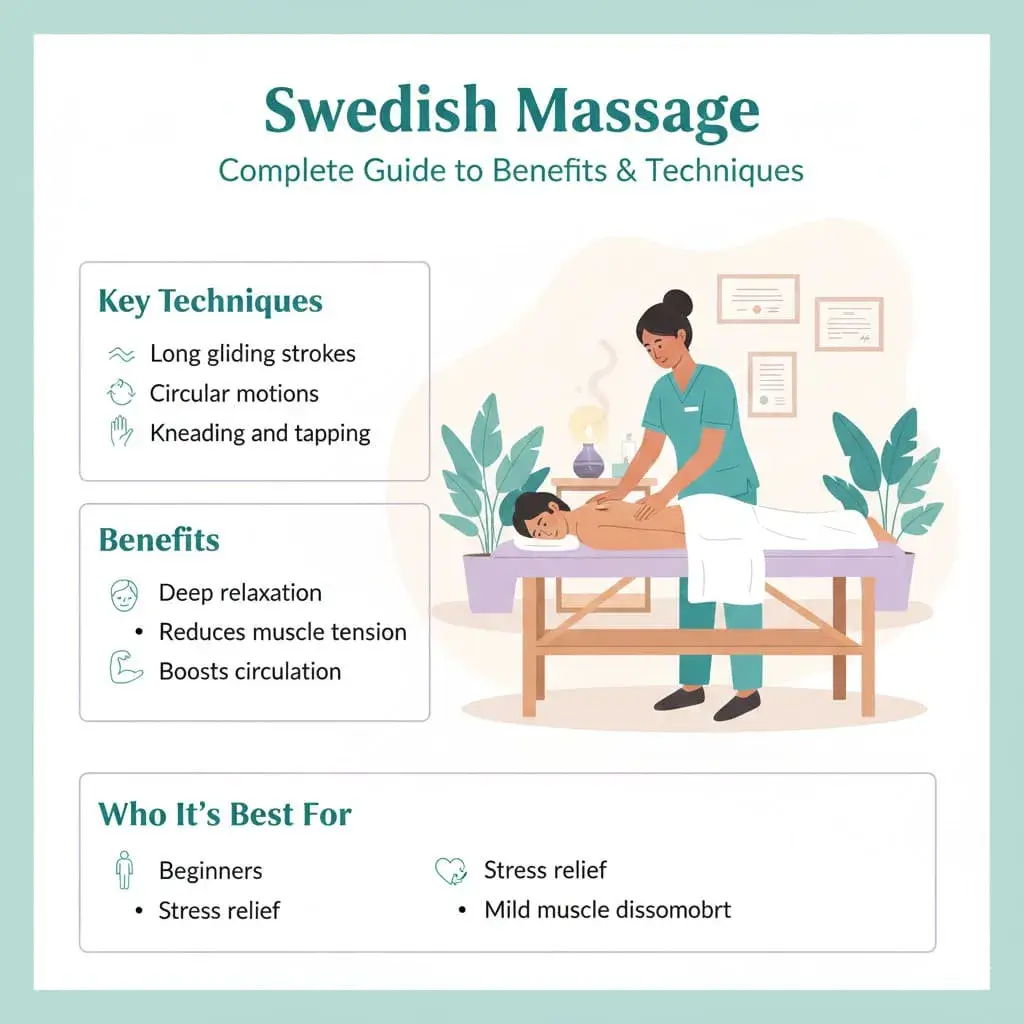
Swedish Massage at Home: Benefits, Techniques and Price
Swedish massage is a gentle full body massage for relaxation. A 60-minute home session starts at ₹1,999 in metro cities. See benefits and techniques.
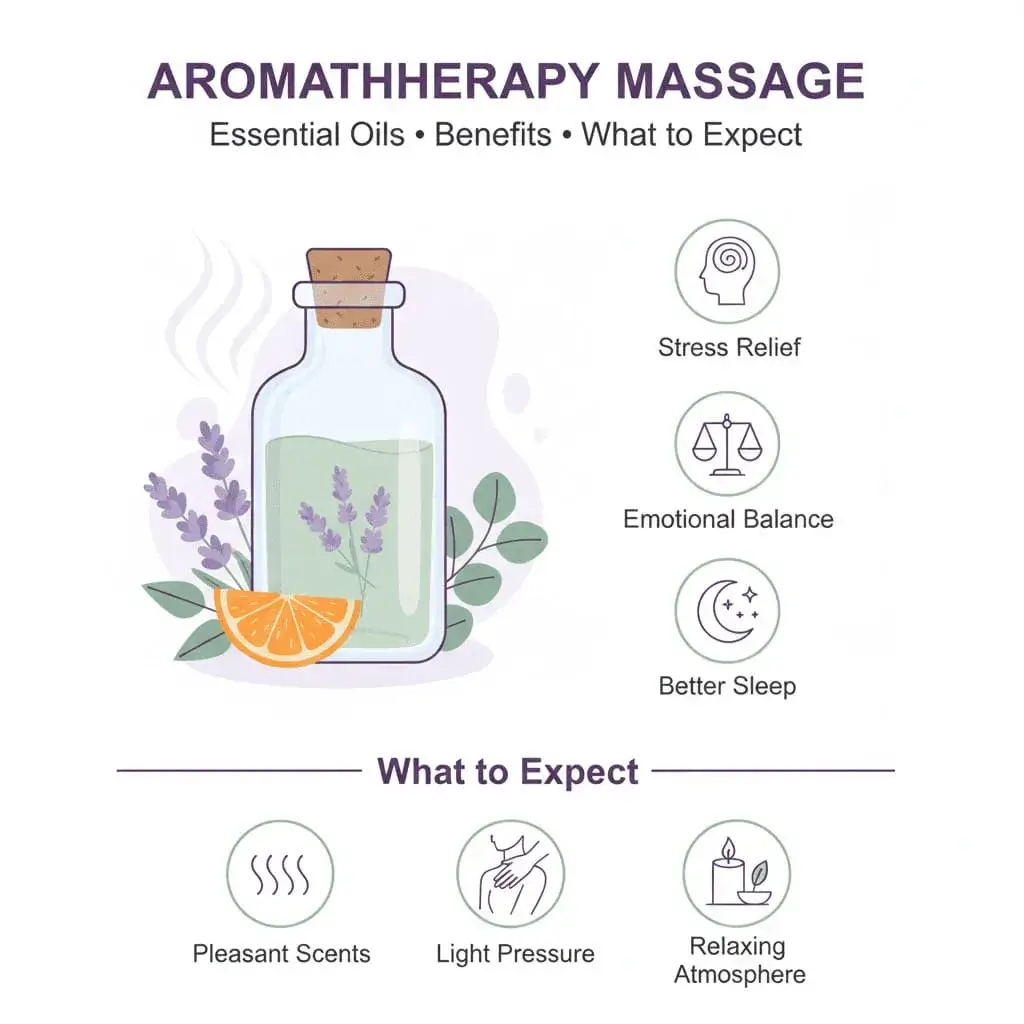
Aromatherapy Massage at Home: Benefits and What to Expect
Aromatherapy massage pairs relaxing strokes with essential oils chosen for your needs. On our menu it is a 60-minute home session. See oils and benefits.
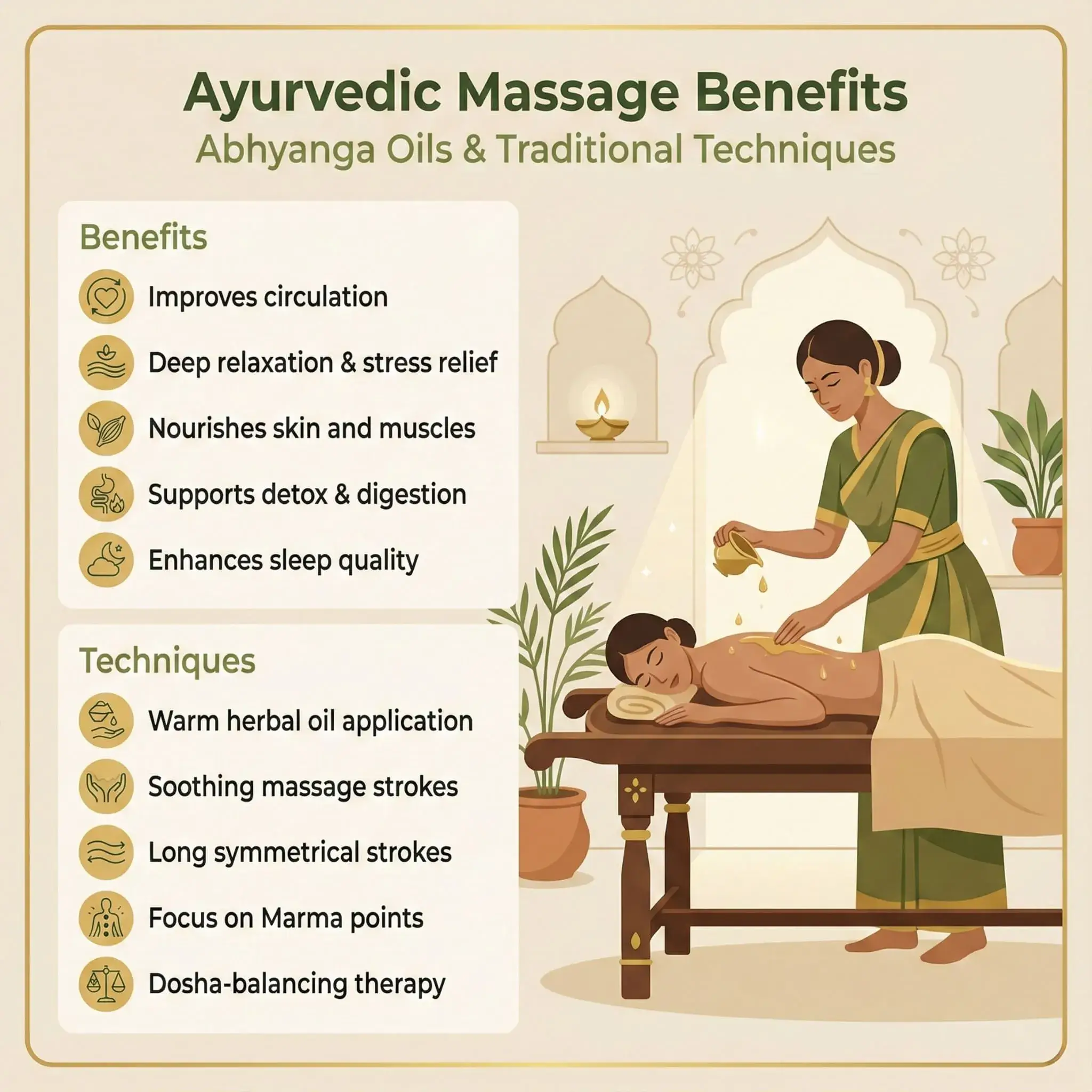
Abhyanga (Ayurvedic Massage) at Home: Benefits and Oils
What an Ayurvedic oil massage actually does, which oils suit Indian seasons, and how a 75-minute abhyanga session works at your home.
Oil Massage Benefits: Best Oils and What to Expect
Learn why oil massage feels different, which oils suit your skin, what techniques therapists use, and how to prepare for a session at home.
Massage Services in Other Cities
Professional Home Massage in Mumbai
Professional home massage in Mumbai. {{therapist_count}}+ verified therapists, same-day booking, 40+ areas covered. Swedish, deep tissue & Thai massage. Book now.

Professional Home Massage in Bangalore
Professional home massage in Bangalore. {{therapist_count}}+ verified therapists, same-day booking across 50+ areas. Koramangala, Whitefield, HSR Layout. Book now.

Professional Home Massage in Delhi NCR
Professional home massage in Delhi NCR. {{therapist_count}}+ verified therapists offering same-day booking across 50+ areas including Gurgaon, Noida, and CP. Book now.
Professional Home Massage in Pune
Professional home massage in Pune. {{therapist_count}}+ verified therapists offering same-day booking across 40+ areas. Koregaon Park, Baner, Hinjewadi. Book now.