
Foot Massage & Reflexology: Complete Benefits Guide
Ancient Healing Wisdom Meets Modern Wellness
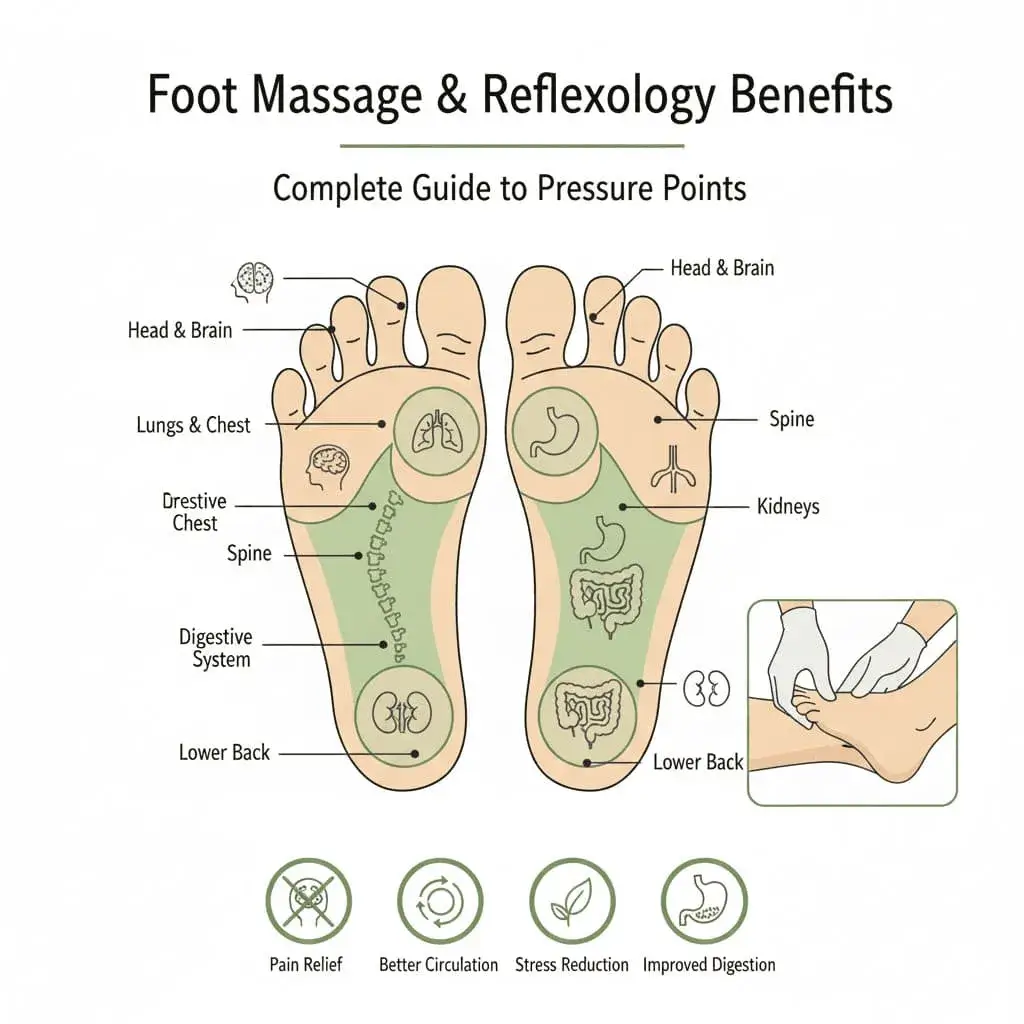
Your feet carry you through life, every single day. They absorb the impact of thousands of steps, support your entire body weight, and rarely receive the attention they deserve. Yet within these hardworking extremities lies a remarkable gateway to whole-body wellness that ancient healers discovered thousands of years ago.
Foot massage and reflexology offer more than simple relaxation. These therapeutic practices can relieve pain, reduce stress, improve circulation, and according to reflexology theory, influence the health of organs throughout your body. Whether you're seeking relief from foot pain, exploring complementary health practices, or simply want to understand why foot massage feels so incredibly good, this comprehensive guide covers everything you need to know.
Key Foot Therapy Benefits
Stress Reduction
The feet have thousands of nerve endings that trigger deep relaxation when massaged.
Better Circulation
Mechanical stimulation moves blood through tissues, especially beneficial for sedentary lifestyles.
Improved Sleep
Evening foot massage activates the parasympathetic system, preparing your body for restful sleep.
Foot Massage vs. Reflexology: Understanding the Difference
While often used interchangeably, foot massage and reflexology are distinct practices with different approaches and goals. Understanding this difference helps you choose the right treatment for your needs.
Foot Massage
Foot massage focuses on the feet themselves, relaxing muscles, improving circulation, and relieving tension in the foot and lower leg. The primary goals are local: making your feet feel better, reducing pain, and promoting relaxation. Techniques include kneading, stroking, and pressure applied to muscles and soft tissues. It can be part of a full-body massage or a standalone treatment.
Reflexology
Reflexology is based on the principle that specific points on the feet correspond to organs, glands, and systems throughout the body. By applying pressure to these reflex points, practitioners aim to promote healing and balance in the corresponding body areas. It's a whole-body therapy that uses the feet as a map to the entire system.
The Ancient Origins of Foot Therapy
Foot-based healing practices appear in ancient cultures worldwide, suggesting independent discovery of the feet's therapeutic potential. Evidence of reflexology-like practices dates back over 4,000 years.
- Ancient Egypt - Wall paintings from 2330 BCE depict foot and hand treatments found in physician's tomb at Saqqara
- Traditional Chinese Medicine - Foot therapy documented for over 3,000 years, connected to meridian theory and energy flow
- Ayurvedic Tradition - Padabhyanga (foot massage) practiced for millennia using marma points similar to reflexology
- Modern Development - Zone therapy developed by Dr. William Fitzgerald (1910s), refined by Eunice Ingham into modern reflexology (1930s)
How Reflexology Works: The Theory
Reflexology is based on the premise that the body is divided into ten vertical zones, each represented on the feet. The right foot corresponds to the right side of the body, and the left foot to the left side. Specific areas on the feet map to specific organs and body systems.
The Zone Theory
Imagine your body divided into ten vertical slices running from head to toe. Energy flows through these zones, and blockages in energy flow manifest as health issues. By stimulating reflex points on the feet within these zones, practitioners aim to clear blockages and restore healthy energy flow.
The Foot Map
The foot serves as a microcosm of the entire body:
- Toes correspond to the head and neck
- Ball of foot relates to chest and lungs
- Arch represents digestive organs
- Heel connects to pelvic area and sciatic nerve
- Inner edge mirrors the spine
- Outer edge represents limbs and joints
Scientific Perspective
While the zone theory remains scientifically unproven, research suggests reflexology provides real benefits through several mechanisms: stimulation of nerve endings, improved blood circulation, activation of the relaxation response, and the therapeutic value of human touch. Whether benefits come from specific reflex points or general massage effects, the outcomes for many people are positive.
Key Reflexology Points and Their Connections
Understanding major reflex points helps you appreciate what's being addressed during a session and allows for targeted self-massage between professional treatments.
| Location on Foot | Corresponding Area | Common Benefits |
|---|---|---|
| Big toe pad | Brain and head | Mental clarity, headache relief |
| Other toe pads | Sinuses | Sinus congestion, allergies |
| Base of toes | Neck and throat | Neck tension, thyroid support |
| Ball of foot (center) | Lungs | Breathing, respiratory health |
| Ball of foot (left side) | Heart | Circulation, emotional balance |
| Upper arch | Liver, gallbladder, stomach | Digestion, natural elimination |
| Middle arch | Kidneys, intestines | Elimination, water balance |
| Inner arch edge | Spine | Back pain, posture support |
| Heel center | Pelvis, sciatic nerve | Lower back pain, hip issues |
| Ankle area | Reproductive organs | Hormonal balance, fertility |
Proven Benefits of Foot Massage and Reflexology
Research on foot massage and reflexology has grown substantially, with studies demonstrating benefits in several areas. Here's what the evidence shows:
1. Significant Stress and Anxiety Reduction
Perhaps the most well-documented benefit, foot massage and reflexology consistently reduce stress and anxiety markers in research studies. The feet have thousands of nerve endings, and massaging them helps switch your body into its "rest and digest" mode.
Research published in the Journal of Clinical Nursing found through a systematic review that reflexology significantly reduced anxiety in various patient populations, including those facing surgery, cancer treatment, and chronic illness.
2. Pain Relief
Foot massage provides direct relief for foot pain conditions like plantar fasciitis, while reflexology may help manage pain elsewhere in the body. The gate control theory of pain suggests that massage signals can override pain signals traveling to the brain.
- Plantar fasciitis and heel pain
- Arthritis-related foot discomfort
- Post-exercise muscle soreness
- Headaches and migraines (through reflex points)
- Menstrual cramps
- Lower back pain
3. Improved Circulation
The feet are the farthest point from the heart, making circulation to this area challenging, especially for those with sedentary lifestyles or circulation issues. Massage mechanically moves blood through tissues and stimulates blood vessel dilation.
Improved foot circulation benefits diabetics (who often have compromised circulation), reduces swelling, promotes healing, and keeps feet warm. The effects extend beyond the feet as improved venous return supports overall cardiovascular function.
4. Better Sleep Quality
Foot massage before bed has helped countless people achieve better sleep. The deep relaxation, reduced anxiety, and activation of the parasympathetic system all prepare your body for restful sleep. Specific reflex points for the brain and pineal gland (which produces melatonin) may enhance these effects.
5. Headache and Migraine Relief
Reflexology points for the head and neck are located on the toes. Many headache sufferers find relief through foot reflexology, possibly due to improved circulation, reduced tension, or direct effects on head-related reflex zones. This complements head massage techniques for comprehensive relief.
6. Reduced Swelling and Edema
Foot and ankle swelling affects many people, particularly pregnant women, those who stand for long periods, and people with certain health conditions. Massage stimulates lymphatic drainage and venous return, helping move excess fluid out of the lower extremities.
7. Improved Nerve Function
For those with neuropathy or reduced sensation in the feet, regular massage may help maintain nerve function and sensitivity. This is particularly relevant for diabetics, who often experience progressive nerve damage in the feet.
8. Enhanced Overall Wellbeing
Beyond specific conditions, regular foot massage contributes to general wellness. The relaxation, human touch, and self-care aspects provide psychological benefits that complement the physical effects. Many people report feeling more balanced, energized, and positive after sessions.
Who Benefits Most from Foot Massage and Reflexology?
While almost everyone can benefit from foot therapy, certain groups find it particularly valuable:
People Who Stand All Day
Teachers, retail workers, healthcare professionals, and others who spend hours on their feet accumulate significant foot fatigue and tension. Regular foot massage prevents minor discomfort from becoming chronic problems and maintains foot health despite demanding use.
Office Workers and Sedentary Individuals
Ironically, those who don't use their feet much also benefit greatly. IT professionals and office workers sitting for extended periods compromise circulation to the lower extremities. Foot massage compensates for this sedentary lifestyle by manually stimulating blood flow and preventing stagnation.
Athletes and Fitness Enthusiasts
Runners, hikers, dancers, and other athletes put enormous stress on their feet. Post-workout foot massage aids recovery, prevents injury, addresses developing problems before they sideline you, and maintains the foot flexibility essential for athletic performance. See also sports massage for comprehensive athletic recovery.
Pregnant Women
Pregnancy brings swollen feet, shifted weight distribution, and new stresses on the lower body. Foot massage relieves swelling, eases discomfort, and provides much-needed relaxation. See our pregnancy massage guide for safe techniques. Note: Certain reflex points should be avoided during pregnancy, so always work with a trained practitioner.
Those with Chronic Health Conditions
People managing diabetes, arthritis, fibromyalgia, and other chronic conditions often find reflexology helpful as a complementary therapy. While not a cure, it can improve quality of life, reduce medication side effects, and support the body's healing processes.
High-Stress Individuals
If stress dominates your life, foot reflexology offers a powerful antidote. The deep relaxation achieved during sessions helps reset your nervous system and provides lasting stress resilience with regular practice.
What to Expect During a Reflexology Session
Understanding what happens during a professional reflexology session helps you relax and receive maximum benefit. Review our massage etiquette guide for general preparation tips.
Before the Session
- You'll discuss health history and current concerns
- Mention any foot conditions, injuries, or sensitivities
- Wear or bring loose, comfortable clothing
- Feet should be clean (washing facilities often available)
- Remove jewelry from feet and ankles
During the Session
You'll typically recline in a comfortable chair or on a massage table. The practitioner begins with relaxation techniques: gentle stroking and warming movements to prepare your feet. They then systematically work through reflex points, using thumb and finger pressure techniques.
Pressure varies from gentle to firm, depending on your tolerance and the area being worked. Some points may feel tender or sensitive; this is normal and often indicates areas needing attention. Communication is encouraged; tell your practitioner if pressure should be adjusted.
Session Length
- Quick session: 30 minutes (one foot focus or abbreviated full treatment)
- Standard session: 45-60 minutes (complete treatment of both feet)
- Extended session: 75-90 minutes (includes lower legs, hands, or additional techniques)
After the Session
- Drink plenty of water to support natural cleansing
- Rest if possible; avoid strenuous activity
- You may feel very relaxed or slightly lightheaded
- Some experience temporary symptoms as the body rebalances
- Note any changes in the days following for future reference
Foot Massage Techniques for Self-Care
While professional sessions offer the deepest benefits, self-massage between appointments extends those benefits and addresses immediate needs. Here are effective techniques you can do yourself:
Basic Relaxation Massage
- Warm-up: Sit comfortably, rest one foot on opposite thigh, apply lotion or oil
- Overall stroking: Use both hands to stroke from toes toward ankle, 10-15 times
- Toe work: Gently pull and rotate each toe, massage between toes with fingertips
- Arch massage: Use thumbs to apply circular pressure along arch from heel to ball
- Heel work: Squeeze heel with whole hand, use thumb for deep circular pressure
- Ankle circles: Support foot and rotate ankle slowly, 10 circles each direction
Quick Stress-Relief Technique
When you need fast relaxation, focus on the solar plexus reflex point, located in the center of the foot, just below the ball. Apply firm pressure with your thumb and take five deep breaths. This simple technique activates the relaxation response almost immediately.
Using Tools
Various tools can enhance self-massage:
- Tennis or golf ball: Roll under foot while seated
- Frozen water bottle: Combines massage with anti-inflammatory cold therapy
- Foot roller: Designed specifically for foot massage
- Wooden foot massager: Traditional tool with varied surfaces
Best Oils for Foot Massage
Oil or lotion enhances foot massage by reducing friction and adding therapeutic benefits. Learn more about oil massage benefits in our dedicated guide.
| Oil | Properties | Best For |
|---|---|---|
| Coconut Oil | Moisturizing, antifungal, absorbs well | Dry skin, cracked heels, general use |
| Sesame Oil | Warming, traditional Ayurvedic base | Cold feet, winter use, joint stiffness |
| Peppermint Oil (diluted) | Cooling, invigorating, pain-relieving | Tired feet, post-exercise, summer |
| Lavender Oil (diluted) | Calming, antimicrobial, healing | Evening massage, stress relief, sleep |
| Tea Tree Oil (diluted) | Antifungal, antibacterial | Foot odor, fungal concerns |
| Eucalyptus Oil (diluted) | Cooling, decongestant, stimulating | Circulation, respiratory reflex work |
How Often Should You Get Foot Massage?
Optimal frequency depends on your goals and circumstances. For general guidance, see our comprehensive massage frequency guide.
| Goal | Professional Sessions | Self-Massage |
|---|---|---|
| General wellness | Every 2-4 weeks | 2-3 times per week |
| Chronic foot pain | Weekly initially, then biweekly | Daily, 10-15 minutes |
| Stress management | Every 1-2 weeks | Daily, 5-10 minutes |
| Specific health goals | Weekly for 6-8 weeks, then reassess | Daily between sessions |
| Athletic recovery | After competitions/intense training | Post-workout, 5-10 minutes |
| Pregnancy (2nd/3rd trimester) | Every 2-3 weeks | Gentle daily self-massage |
Consistency matters more than intensity. Regular, moderate sessions provide better results than occasional intensive treatments. Build foot massage into your routine for lasting benefits.
Precautions and Contraindications
While generally safe, foot massage and reflexology have some precautions to consider:
Always inform your practitioner about health conditions, medications, and pregnancy status. When in doubt, consult your healthcare provider before beginning reflexology, especially for managing specific health conditions.
Integrating Foot Care into Your Wellness Routine
Foot massage works best as part of a comprehensive foot care approach:
- Proper footwear: Supportive, well-fitting shoes; allow feet to breathe; replace worn shoes
- Daily foot hygiene: Wash and thoroughly dry feet daily; check for cuts, blisters, or changes
- Stretching and exercise: Toe spreads and curls strengthen foot muscles; calf stretches maintain flexibility
- Regular massage: Professional sessions for deep work; self-massage for daily maintenance
Frequently Asked Questions
Is reflexology scientifically proven?
Why do some spots on my feet hurt during reflexology?
How soon will I feel benefits from reflexology?
Can I do reflexology on myself?
Is foot massage safe during pregnancy?
What should I do if I feel unwell after reflexology?
Can reflexology help with specific medical conditions?
How is foot massage different from a pedicure?
Conclusion: Step Into Better Health
Your feet deserve more attention than they typically receive. These remarkable structures carry you through life, and caring for them pays dividends throughout your entire body. Whether you're drawn to the whole-body principles of reflexology or simply want to soothe tired, aching feet, foot massage offers accessible, effective self-care.
The beauty of foot therapy lies in its versatility. You can enjoy professional reflexology sessions for deep therapeutic work, practice self-massage at home for daily maintenance, or combine both approaches for optimal results. Either way, you're investing in your wellbeing through one of humanity's oldest healing traditions.
Start simply, perhaps with nightly foot massage before bed or a professional session to experience reflexology firsthand. Your feet will thank you, and you may be surprised how those benefits ripple through your entire body and life.
Related Articles
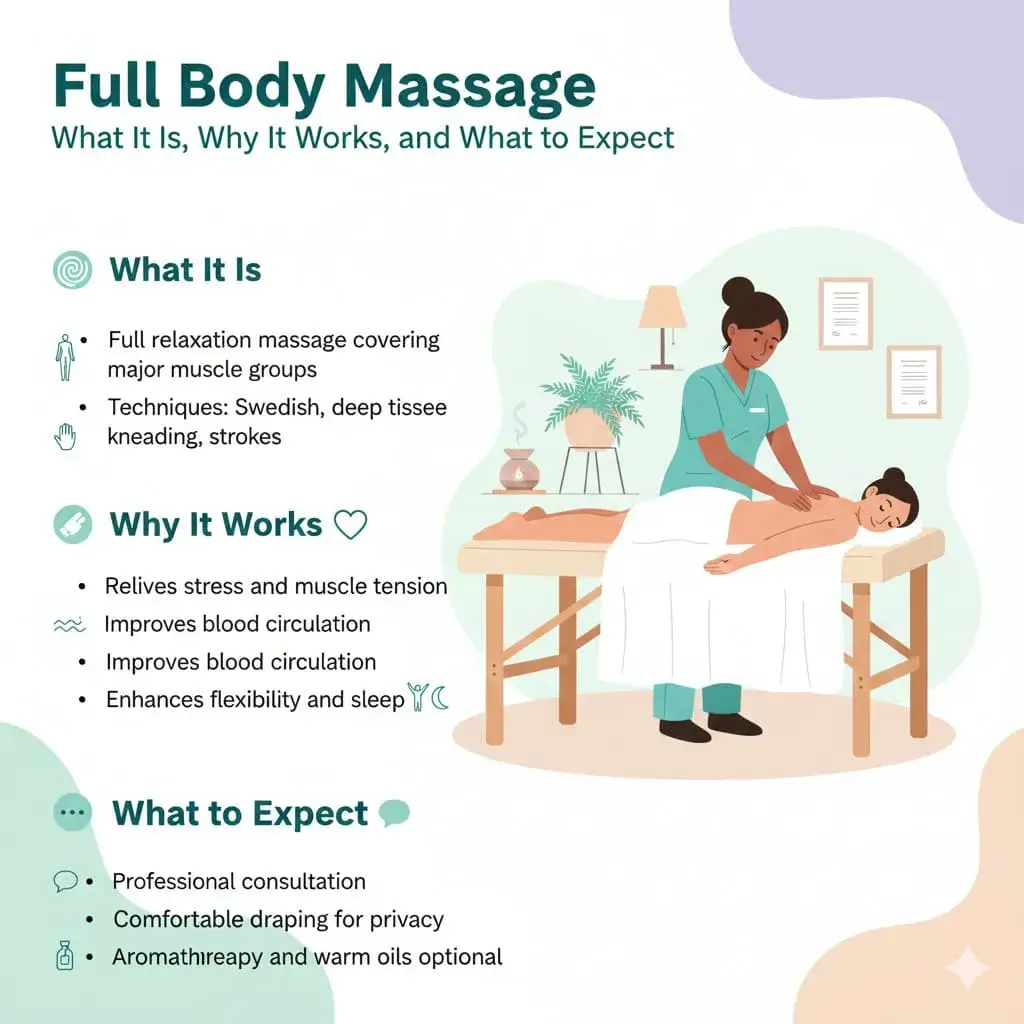
Full Body Massage: What It Is, Why It Works, and What to Expect
What is full body massage? Learn the benefits, best types for your needs, and what to expect. Expert tips from trained therapists for your session.
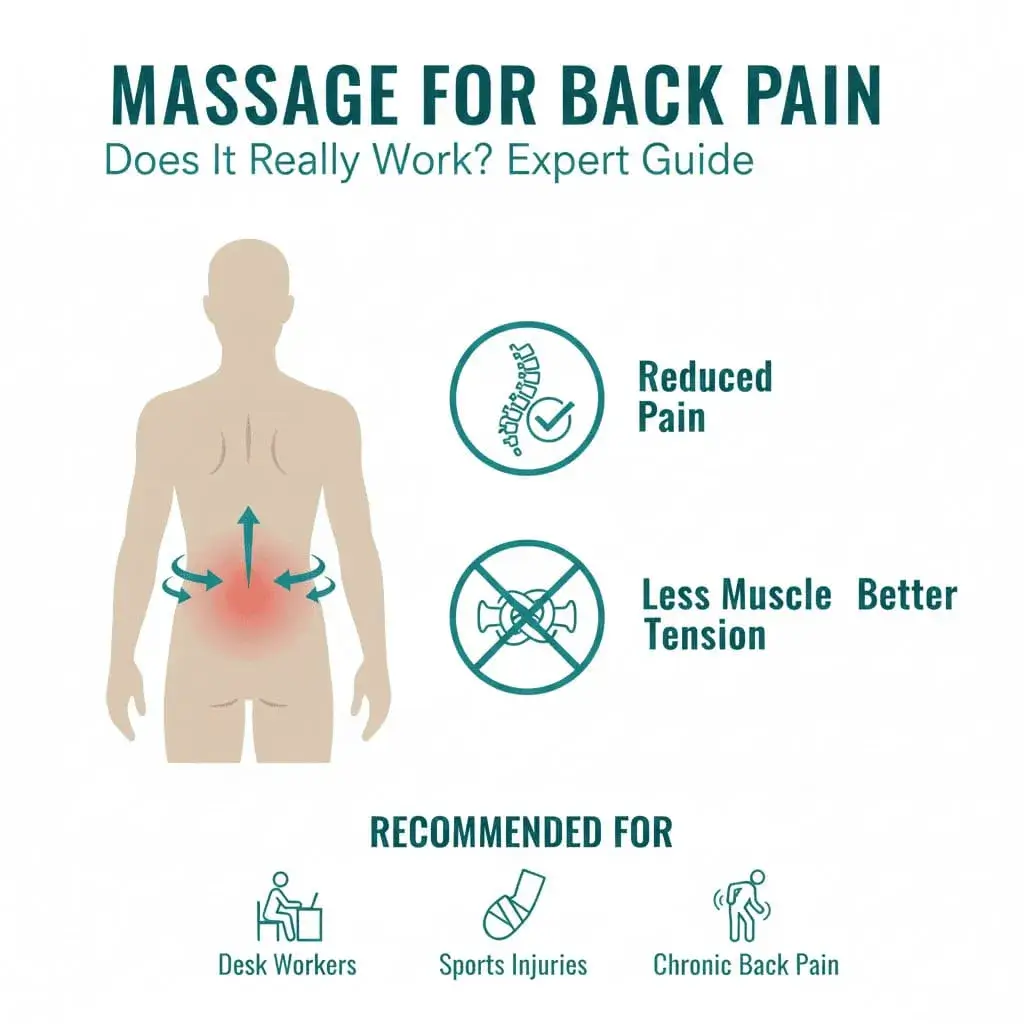
Back Pain Massage at Home: What Works, What to Expect
Yes, massage helps most muscle-related back pain - research agrees. See which massage works, what a home session looks like, and when to see a doctor.
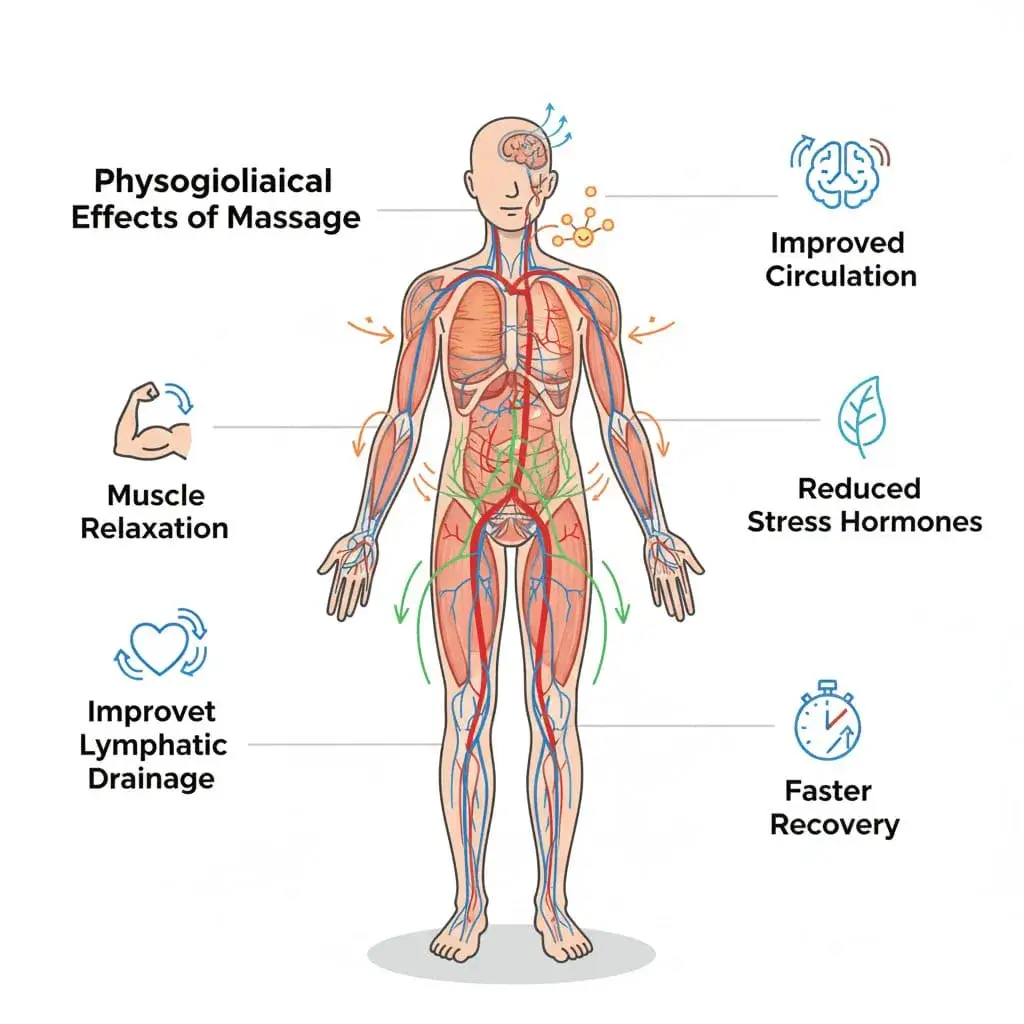
What Does a Massage Do to Your Body? Science-Backed Guide
Discover what actually happens inside your body during a massage. From muscle changes to brain chemistry shifts - the science explained simply.
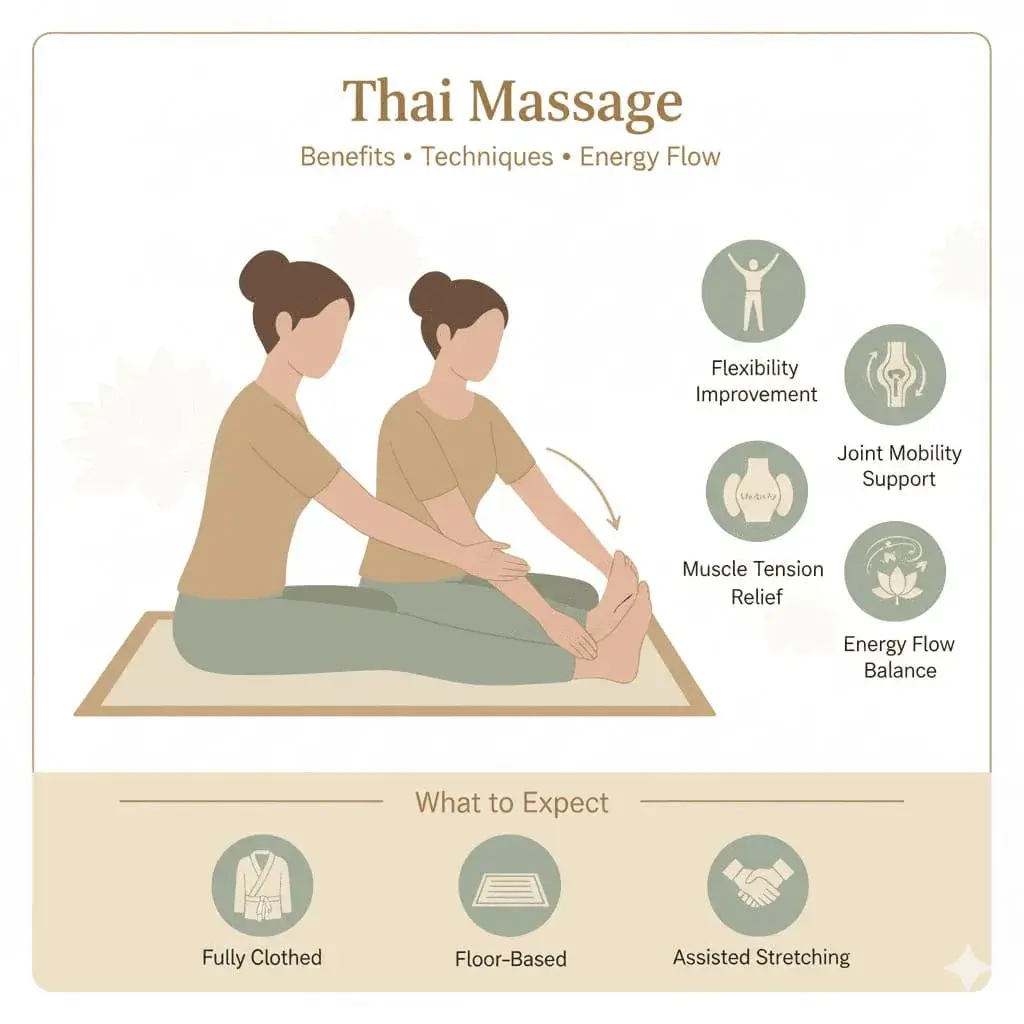
Thai Massage at Home in India: What to Expect
Thai massage is a clothed, oil-free therapy of stretching and rhythmic pressure. On our menu it is a 90-minute home session. Benefits and prep inside.
Massage Services in Other Cities

Professional Home Massage in Mumbai
Professional home massage in Mumbai. {{therapist_count}}+ verified therapists, same-day booking, 40+ areas covered. Swedish, deep tissue & Thai massage. Book now.

Professional Home Massage in Delhi NCR
Professional home massage in Delhi NCR. {{therapist_count}}+ verified therapists offering same-day booking across 50+ areas including Gurgaon, Noida, and CP. Book now.

Professional Home Massage in Bangalore
Professional home massage in Bangalore. {{therapist_count}}+ verified therapists, same-day booking across 50+ areas. Koramangala, Whitefield, HSR Layout. Book now.

Professional Home Massage in Chennai
Professional home massage in Chennai. {{therapist_count}}+ verified therapists, same-day booking, 40+ areas covered. Swedish, deep tissue & Thai massage. Book now.